


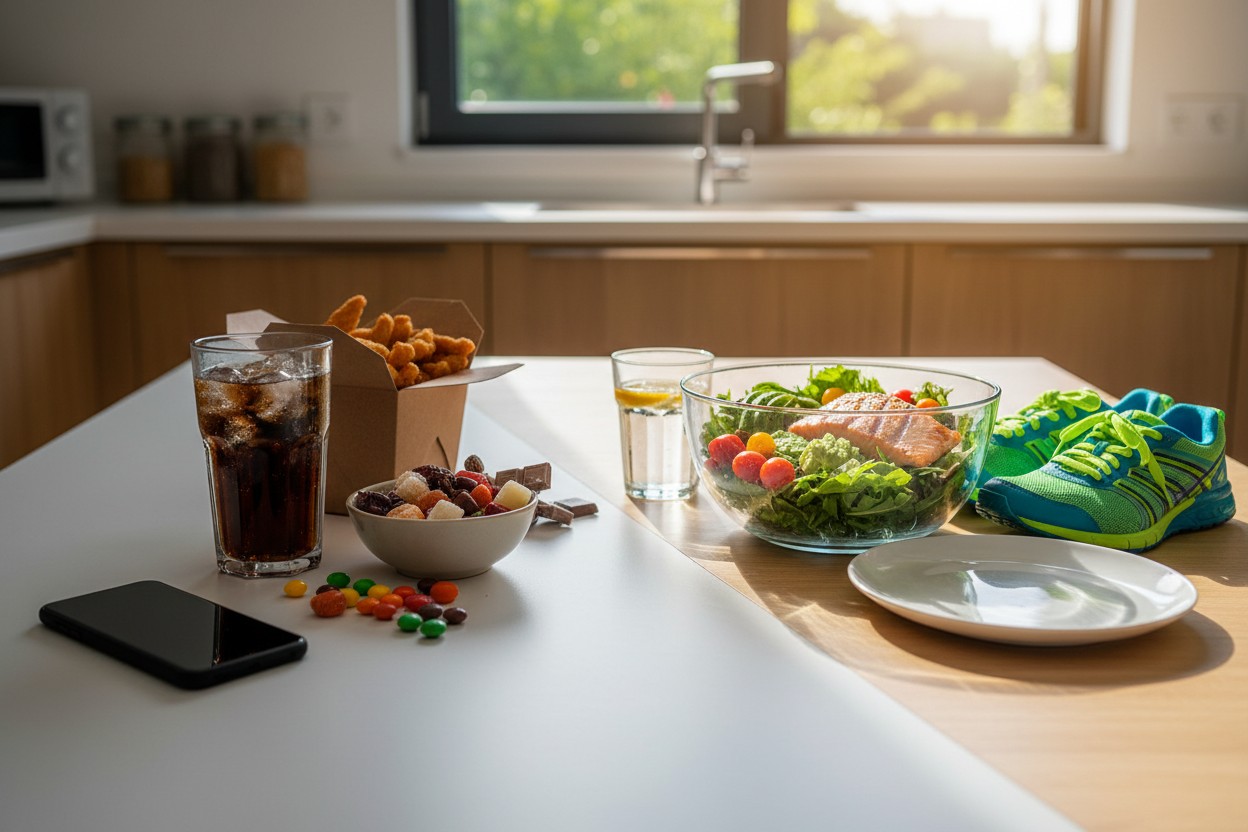
Report Details Habits Linked to Weight-Loss Struggles
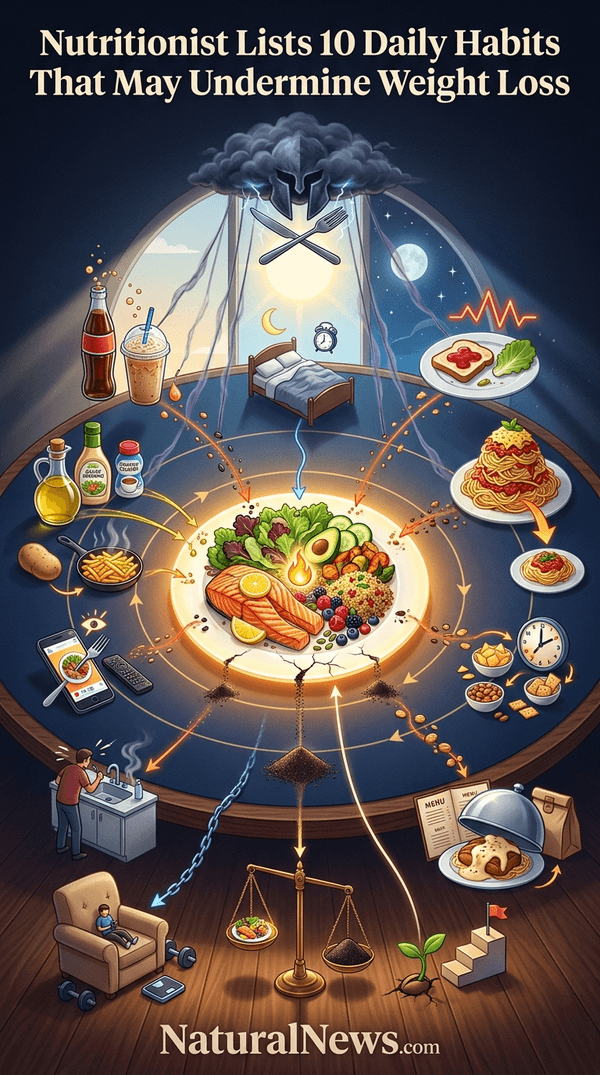
The Epoch Times published an article by Sheridan Genrich, a registered clinical nutritionist, on Aug. 11, 2026, identifying 10 daily habits that may undermine weight loss. According to the report, fat loss is rarely ruined by one big mistake but is worn down by a struggle-driven mindset and small, repeated behaviors. Genrich said the habits include sugary drinks, insufficient protein and fiber, irregular sleep, distracted eating, frequent snacking, underestimated extras, oversized portions, standing meals, restaurant meals, and sedentary time.
Genrich wrote that a "warlike mindset" around food -- trying to earn treats, skipping meals, or ignoring sleep -- drives behavior that works against weight loss. The report said changing these habits can lead to "guilt-free and successful weight loss." Behavioral research demonstrates that setting several small, achievable goals spurs motivation, according to Wardlaw's Contemporary Nutrition [1]. Fiber-rich foods provide a feeling of fullness that can help prevent overeating, according to Discovering Nutrition [2].
Dietary Habits: Sugary Drinks, Protein, Extras, Portions
According to the report, sugar-sweetened drinks add calories without increasing fullness, and a 2026 review linked such beverages to a higher risk of Type 2 diabetes. Genrich recommended replacing sugary drinks with unsweetened beverages and said tracking drinks can reveal a large share of daily calorie intake. The report also said liquid calories are less satisfying and can reduce the body's response to insulin over time. Avoiding all soft drinks because of their high sugar content is advised in Alzheimer's Reduce Your Risk Revitalize [3].
Meals with more protein and fiber stabilize blood sugar and reduce cravings, according to the article. Even 20 to 30 grams of protein at one meal can shift appetite for the day, Genrich said. A nutritious breakfast with lean protein, whole grains, and fruit can help meet fiber recommendations and may prevent overeating later in the day, according to Wardlaw's Contemporary Nutrition [4].
The report noted that oils, dressings, and creamers are easy to underestimate, since fat provides 9 calories per gram and a tablespoon of oil contains about 120 calories. Vegetable oils have the same calorie content as other fats; a potato is modest in calories until it is dropped into cooking oil, according to Foods That Can Cause You to Lose Weight II [5]. Genrich cited the 2025 Dietary Guidelines for Americans in saying larger portion sizes increase consumption, and suggested smaller plates and bowls. The report said oversized servings cause people to eat more even when the food itself is healthy.
Eating Behaviors: Distraction, Snacking, Standing, Restaurant Meals
According to the report, eating while watching TV, scrolling, or driving reduces awareness of fullness and can lead to overeating. Genrich said eating at least one meal a day without screens helps build self-regulation and reduce mindless overeating. Longevity guidance in Young at Any Age advises not eating on the run, while driving, or while watching television [6].
The article stated frequent snacking makes it harder to recognize real hunger; a recent study found that longer overnight fasting and earlier breakfast were associated with lower body mass index. Scheduling eating to a narrow window each day is recommended for people struggling with insulin resistance and excess body weight, according to NaturalNews [7].
The report said eating while standing is usually rushed and less mindful, and advised sitting at a table without distractions for as many meals as possible. Restaurant portions are often double or triple normal servings, so Genrich said diners should request half-portions, split meals, or pack leftovers before eating.
Lifestyle Factors: Sleep and Daily Movement
A 2020 meta-analysis cited in the report found that sleeping less is linked to higher ghrelin levels and disrupted leptin, hormones that regulate hunger and fullness. The report cited a 2025 review finding that sleep deprivation leads to increased calorie intake, partly through snacking on high-fat and carbohydrate-rich foods. People who slept five or fewer hours a night drank 21 percent more sugar-sweetened caffeinated beverages, according to a study led by University of California San Francisco scientists reported by Mercola.com [8].
The article said long periods of sitting reduce daily energy expenditure, and without resistance training, metabolism can slow due to muscle loss. Genrich recommended two- to five-minute movement breaks each hour and strength training a few times per week to preserve muscle. A short walk after eating can help reduce blood sugar and lower the risk of Type 2 diabetes, according to a review by researchers from the University of Limerick reported by NaturalNews.com [9]. Walking about 8,500 steps a day is associated with maintaining significant weight loss and preventing weight regain, according to a meta-analysis reported by NaturalNews.com [10].
Conclusion: Small Repeatable Habits
The report said sustainable weight loss does not depend on grand gestures or perfect willpower, but on small, repeatable behaviors aligned with a person's goals. Genrich said clients who create lasting change are those who build habits that support hunger and weight-loss hormones, which naturally lower overall calorie intake. According to the article, the goal is not to implement all ten habits at once; Genrich advised picking a few that fit and practicing them consistently over weeks and months.
Long-term weight maintenance remains a challenge, and evidence-based lifestyle interventions highlight consistent approaches that support sustained weight control, according to a review reported by NaturalNews.com [11]. Lifestyle therapies that include proper nutrition, regular physical activity, and stress management are key elements in the prevention and treatment of chronic disease, the review stated [11].
References
- Gordon M. Wardlaw. "Wardlaw's Contemporary Nutrition".
- Internet Archive. "Discovering Nutrition".
- Connie Hatzikalimnios. "Alzheimer's Reduce Your Risk Revitalize".
- Anne M. Smith. "Wardlaw's Contemporary Nutrition".
- Neal Barnard. "Foods That Can Cause You to Lose Weight II".
- Abdullah Fatteh; Naaz Fatteh. "Young at Any Age: A Book of Lists, Prescriptions for Longevity, Sense and Science Pointers for a Healthy 100".
- NaturalNews.com. "Winning Strategies to Help You Shed Unwanted Belly Fat". NaturalNews.com. March 27, 2015.
- Mercola.com. "Sugary Caffeinated Drinks Could Cost You Sle". Mercola.com. December 15, 2016.
- NaturalNews.com. "Walking after a meal can help prevent diabetes experts say". NaturalNews.com. August 10, 2022.
- NaturalNews.com. "Daily Step Count of 8,500 Linked to Long-Term Weight Maintenance, Meta-Analysis Finds". NaturalNews.com. May 13, 2026.
- NaturalNews.com. "Study: Lifestyle Interventions Key to Long-Term Weight Maintenance". NaturalNews.com. July 18, 2026.
Explainer Infographic










Please contact us for more information.