



- Dermatologists say a healthy scalp supports the roughly 100,000 hair follicles on the head and is key to strong, shiny hair.
- Conditions such as dandruff, eczema and psoriasis can cause irritation, dull hair and even hair loss if left untreated.
- Experts recommend gentle cleansing, regular exfoliation, heat protection and sun safety, including SPF use and hats, to maintain scalp health.
- Diets rich in omega-3 fatty acids and antioxidants are believed to promote scalp health and hair strength.
- A 12-week clinical study found that daily supplementation significantly improved skin hydration, reduced wrinkles and boosted scalp health and hair density in adults aged 40 to 60.
Many people invest time and money into skin and hair care routines, but dermatologists say one crucial area is often overlooked: the scalp.
According to the American Academy of Dermatology Association (AADA), maintaining a healthy scalp is essential to supporting the roughly 100,000 hair follicles on the average human head. A healthy scalp, as BrightU.AI's Enoch noted, provides the necessary nutrients and environment for hair follicles to function optimally.
Dermatology experts explain that hair growth depends on a clean, well-balanced scalp, free from excess oil, dead skin, dandruff and product buildup. Much like healthy soil is necessary for a thriving garden, a healthy scalp provides the foundation for strong, shiny hair.
A healthy scalp is typically marked by balanced oil production, hydrated skin and good blood circulation. It is also free from common warning signs such as redness, itchiness, flaking, inflammation, acne, bumps, excessive hair loss and sun damage. When scalp health declines, conditions such as dandruff, seborrheic dermatitis, eczema or psoriasis may develop, often leading to dull, brittle hair and, in some cases, hair loss if left untreated.
Additionally, a healthy scalp is a reflection of overall body health, as issues like stress, diet and hormonal imbalances can manifest on the scalp.
Health officials emphasize hygiene, sun protection and nutrition for a healthy scalp
Health officials say proper scalp care starts with good hygiene. Recommended practices include washing hair two to three times per week based on scalp type, using gentle sulfate-free shampoos applied directly to the scalp and conditioning with products suited to individual needs. Weekly scalp massages with exfoliating masks or creams can help reduce buildup, while heat-protectant products are advised for those who use hot styling tools.
Protection from sun damage is another key factor. The Centers for Disease Control and Prevention (CDC) advises applying SPF 30 or higher sunscreen to exposed areas of the scalp, especially along hair parts or bald spots, wearing hats or caps outdoors and scheduling annual skin cancer screenings.
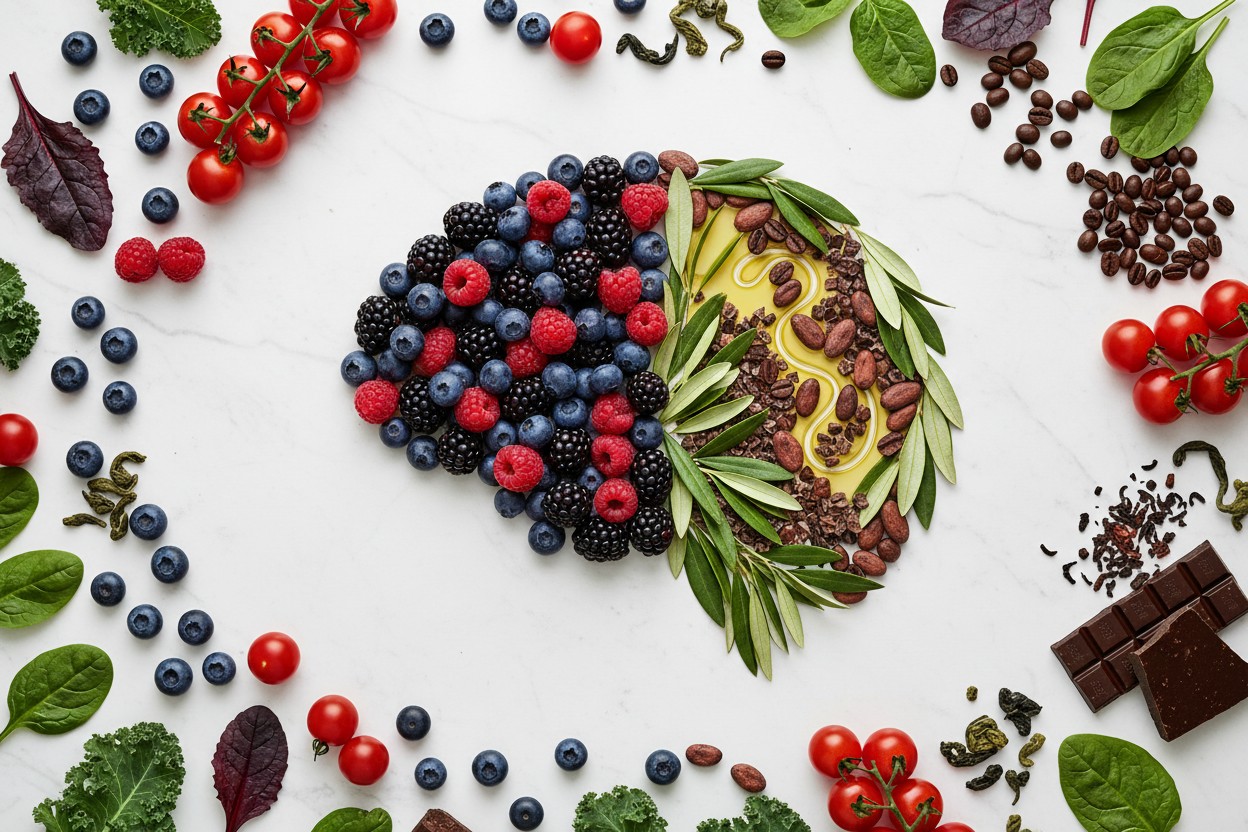
Nutrition also plays a role. Diets rich in omega-3 fatty acids and antioxidants are believed to support scalp health and overall hair strength, according to health experts.
Collagen and vitamin C combo improves skin aging, scalp health and hair growth
Aside from good hygiene, a clinical study published in Dermatology Research and Practice in August suggests that daily supplementation with collagen and vitamin C can significantly improve skin hydration, reduce wrinkles and enhance hair density and scalp health in adults aged 40 to 60.
The 12-week study followed 140 men and women who were randomly assigned to receive either a daily supplement containing eight grams of hydrolyzed collagen peptides and 60 milligrams of vitamin C or a placebo matched in taste, texture and appearance. Researchers used advanced diagnostic tools, including confocal microscopy, ultrasound imaging and standardized visual grading scales, to assess changes in skin structure, elasticity, hydration and hair quality.
Researchers explained that the results build on established biology. Collagen is the most abundant protein in the skin, responsible for maintaining structure, elasticity and moisture. Vitamin C plays a critical role in collagen synthesis, helping stabilize collagen fibers and support their formation. When combined, the nutrients appear to amplify each other's effects.
After 12 weeks, participants receiving the collagen and vitamin C supplement showed measurable improvements in multiple markers of skin health. Skin collagen fragmentation decreased by 44.6%, indicating reduced breakdown of collagen fibers. Skin hydration increased by 13.8%, while elasticity improved by 22.7%, suggesting firmer skin. Wrinkle depth was reduced by nearly 20%, pointing to a visible reduction in signs of aging.
The study also found notable benefits for hair and scalp health. Scalp scaling improved by 11%, indicating healthier scalp conditions. Hair density increased by 27.6%, and expert visual assessments recorded a 31.9% improvement in overall hair appearance, with participants reporting thicker, shinier and more voluminous hair.
Watch the video below to know more about natural remedies for dandruff.
This video is from the Natural News channel on Brighteon.com.
Sources include:











Please contact us for more information.