


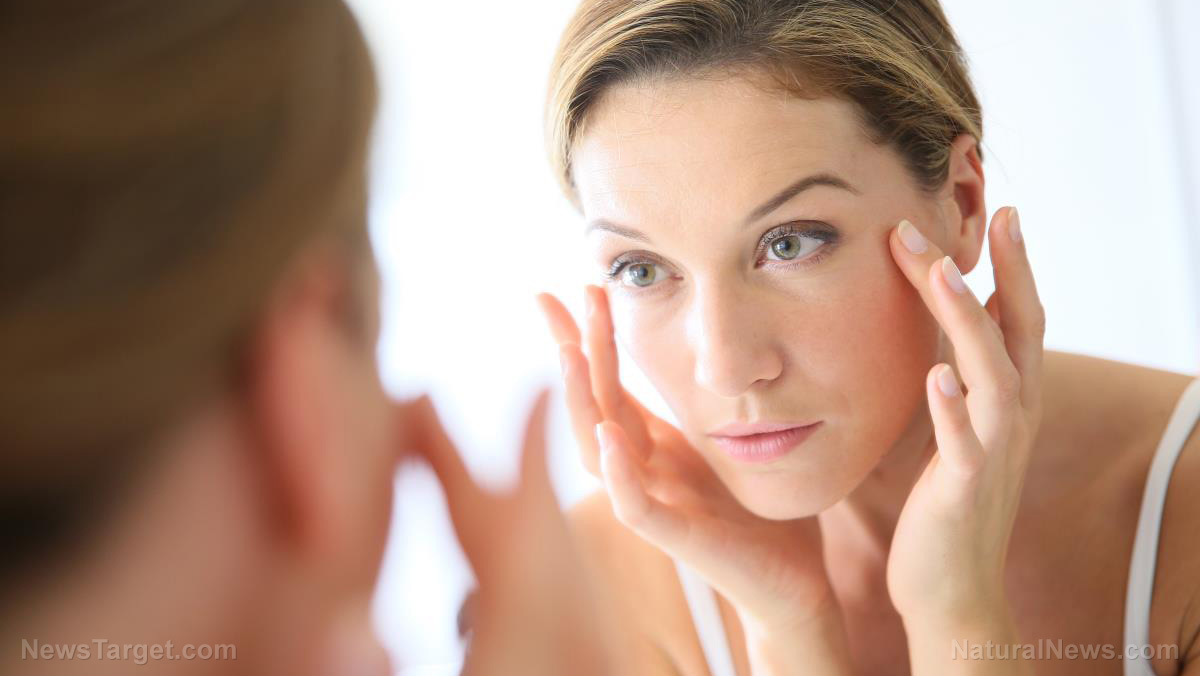
A form of vitamin B3 already sold in drugstore serums has been shown, in a newly published mouse study, to slow the cellular damage that solar radiation inflicts on skin. Researchers at Yunnan University in China exposed mice to repeated ultraviolet radiation for nine weeks, then treated the animals with topical nicotinamide (the amide form of niacin) and found measurable reversals in the skin's aging process, from wrinkling and thickening to the molecular signals that drive cells into a state scientists call senescence. The findings, published in Current Issues in Molecular Biology, do not prove the same effect in humans, but they offer a mechanistic explanation for a compound that consumers have used for years.
Key points:
- Mice exposed to nine weeks of UV radiation developed classic photoaging, including wrinkles, epidermal thickening and inflammatory cell infiltration.
- Topical nicotinamide, applied daily during the final seven weeks of UV exposure, reduced photoaging scores and epidermal thickness compared to untreated, sun damaged mice.
- The compound restored proteins tied to the skin barrier and to collagen production, while lowering markers associated with cellular senescence, the state in which damaged cells stop dividing but linger and cause harm.
- Nicotinamide also suppressed a cluster of inflammatory signals known as the senescence associated secretory phenotype, which senescent cells release to recruit more damage to surrounding tissue.
- The benefits plateaued at moderate concentrations, meaning higher doses did not necessarily perform better.
- The researchers linked their findings to a broader decline in NAD+, a molecule essential to cellular energy and repair, that occurs naturally with age and appears to accelerate under UV exposure.
What NAD+ decline has to do with sun damage
To understand why a form of vitamin B3 would matter to aging skin, it helps to understand NAD+, which is short for nicotinamide adenine dinucleotide, a molecule every cell in the body depends on to convert food into usable energy and to repair damaged DNA. NAD+ levels fall as people age, a pattern researchers increasingly treat as one of the defining features of aging itself. It is tied to conditions ranging from metabolic decline to reduced tissue repair. The body makes NAD+ through several pathways, one of which recycles nicotinamide (the compound tested in this study) back into new NAD+ through an enzyme called NAMPT.
The Yunnan University team began by mining existing genetic databases and found that mice with sun damaged skin, and separately, older human skin donors, both showed reduced activity in the genes responsible for making NAD+. Aged human skin samples also contained measurably less nicotinamide itself. The researchers in this study said it's because there's a shortage of the raw material needed to keep NAD+ production running as skin ages. The aged skin samples also absorb UV exposure over time.
From there, the researchers tested whether simply replacing that missing nicotinamide could interrupt the damage. They divided mice into six groups, one untreated control, one exposed to UV radiation with no treatment, and four exposed to UV radiation. Each group was treated daily with nicotinamide at increasing concentrations, ranging from 2 percent to 12.5 percent. The UV exposure ran for nine weeks, which was meant to simulate chronic sun damage, while nicotinamide treatment began in week three and continued through the study's end.
Senescent cells and the damage they spread
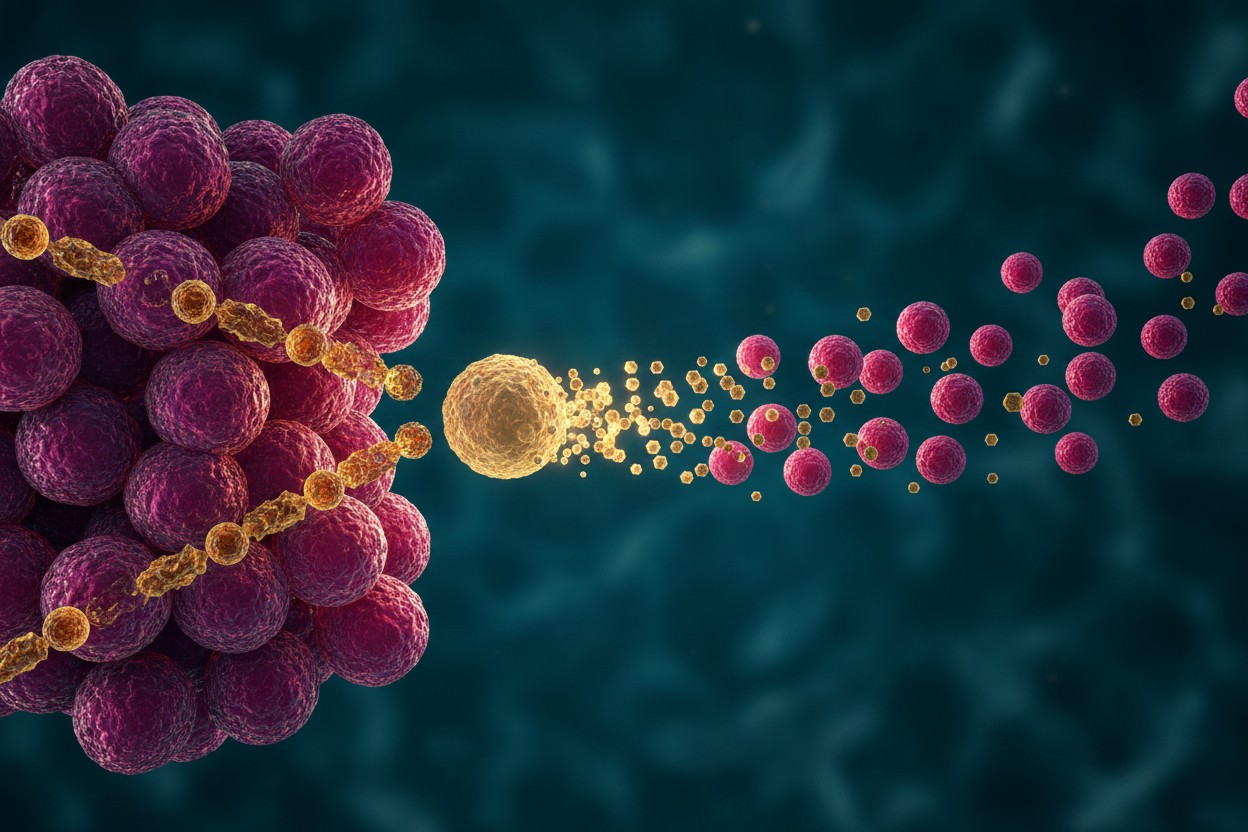
The results centered on a concept central to modern aging research - cellular senescence - in which cells damaged beyond repair stop dividing but do not die. Rather than disappearing, these senescent cells persist in tissue and secrete a mix of inflammatory proteins, a phenomenon researchers call the senescence associated secretory phenotype, or SASP, that spreads damage to healthy neighboring cells and breaks down structural proteins including collagen.
The mice treated with nicotinamide showed lower levels of three separate senescence markers, along with reduced levels of two enzymes, MMP1 and MMP12. Reduced levels are known to degrade collagen and elastin in skin tissue.
The treated mice also showed restored levels of E-cadherin and ZO1, two proteins that help hold the skin's protective barrier together, along with restored collagen I - the structural protein most responsible for skin's firmness and elasticity.
Notably, the researchers found that higher doses of nicotinamide did not necessarily produce better outcomes. Concentrations in the 5 to 7.5 percent range outperformed the highest tested dose (12.5 percent) on several markers, including collagen I levels and the senescence protein p21. This suggests there was a ceiling effect. The researchers said this aligns with earlier work showing topical nicotinamide's benefits on skin barrier function level off above 5 percent.
Topical delivery proves best
The study's authors also noted a curiosity relevant to how nicotinamide is marketed against other NAD+ boosting supplements. A separate human trial they cited found that oral nicotinamide riboside and nicotinamide mononucleotide, two increasingly popular longevity supplements, nearly doubled circulating NAD+ levels in participants, while oral nicotinamide itself did not. The researchers attributed this to how quickly the body metabolizes nicotinamide once swallowed. But nicotinamide's small molecular size and high solubility make it especially well-suited to topical delivery, meaning the compound may do its best work applied directly to skin rather than taken as a pill.
The study was conducted entirely in mice, and the authors were direct that whether nicotinamide's photoaging benefits operate through NAD+ specifically, or through some other pathway, remains unresolved. Human skin and mouse skin differ in structure and UV sensitivity, and topical concentrations effective in a laboratory setting do not automatically translate to consumer products applied under real world conditions. Still, the mechanistic detail offered here, tying a widely available ingredient to specific, measurable changes in senescence and skin barrier proteins, gives consumers a more substantive basis for evaluating the skin care claims that they are getting from the industry.
Sources include:











Please contact us for more information.