


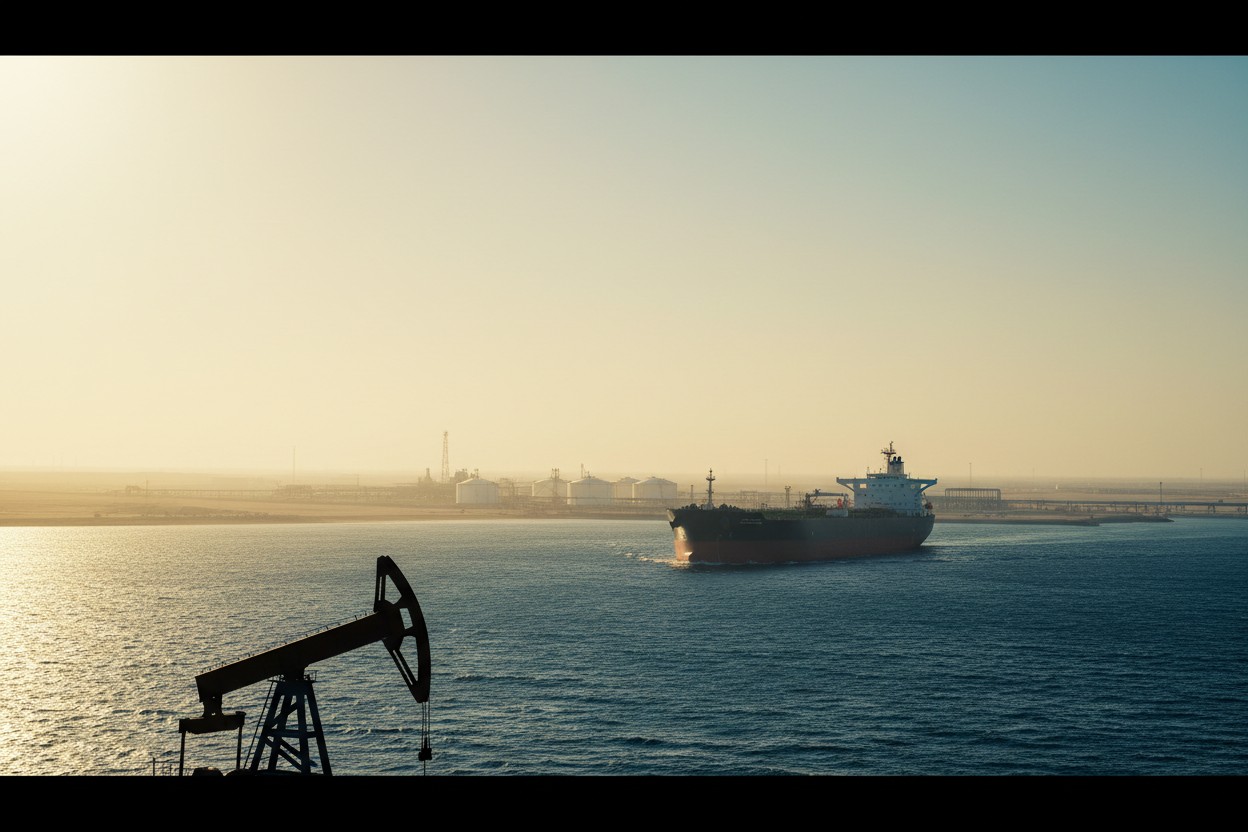
- India's July Russian crude imports hit a record 2.8 million barrels per day, now over 55% of total imports.
- The Strait of Hormuz and Bab al-Mandab closures have cut off alternative supply routes.
- Ukrainian drone strikes on Russian refineries have increased cheap crude available for export.
- Congress is considering the Graham Sanctioning Russia Act allowing 100% tariffs on top Russian oil buyers.
- Critics warn tariffs will raise American consumer prices and could push India closer to China.
India's imports of Russian crude hit an all-time high of 2.8 million barrels per day in July, according to Kpler vessel-tracking data cited by the Times of India. Russian oil now makes up more than 55 percent of India's total crude imports. The timing is notable: Washington is threatening tariffs of up to 100 percent on countries that buy Russian oil, yet India's purchases are only climbing. The gap between what U.S. policy is trying to accomplish and what's actually happening on the ground keeps getting wider.
Why India is buying more, not less
Two things are pushing India toward Russian oil, explained Nikhil Dubey, lead analyst at Kpler. The bigger factor is that the Strait of Hormuz and the Bab al-Mandab Strait — two of the world's most important oil shipping routes — remain shut down, cutting off traditional supply options. Dubey told the Times of India this closure is the single biggest reason New Delhi is turning to Russian crude.
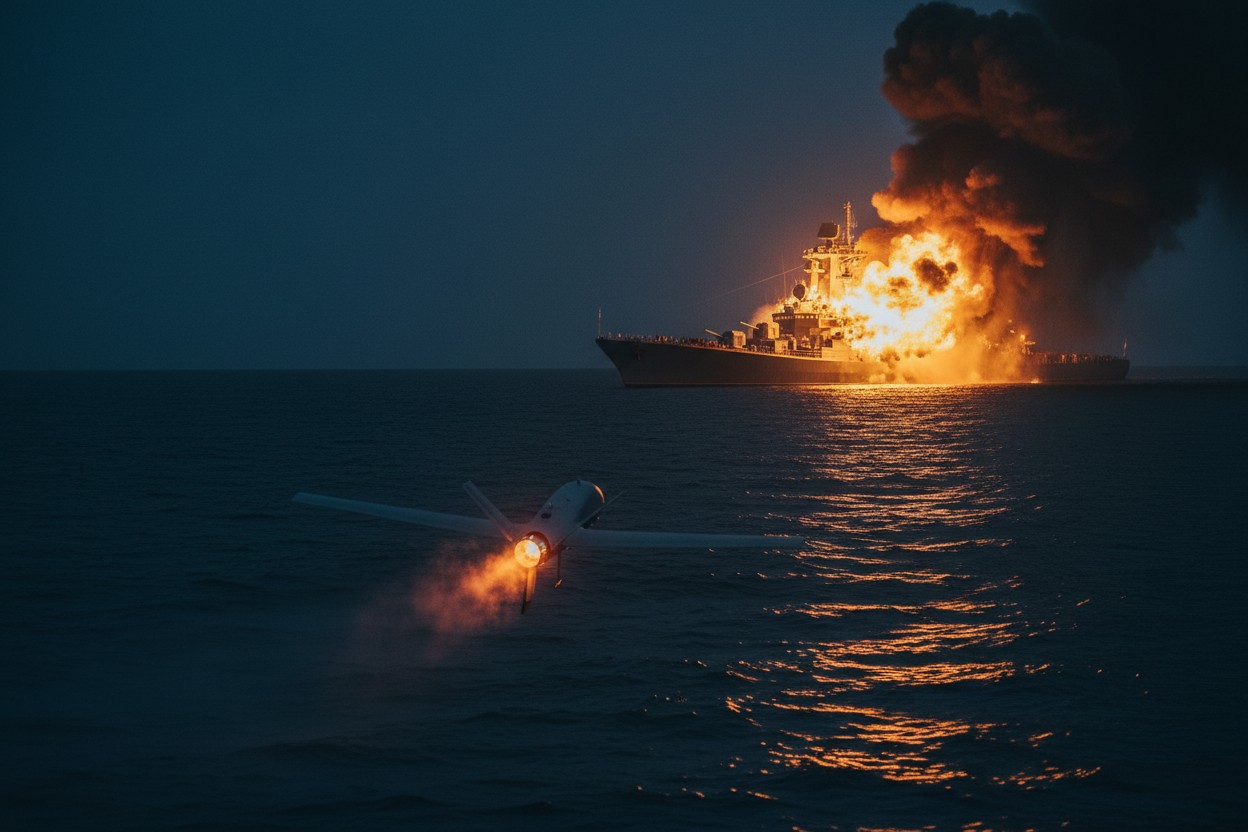
The second factor: Ukrainian drone strikes have knocked out enough of Russia's refining capacity that Moscow has more raw crude sitting around with nowhere to go but export markets, making it cheap and available. As Dubey put it, "the continued availability of Russian cargo, as drone strikes on Russia's refining infrastructure have reduced domestic refining activity, leaving more crude available for export" is keeping the discounts flowing.
Before the Hormuz shutdown, India had actually been buying more oil from Saudi Arabia and Iraq; that pipeline dried up once Washington broke the terms of the Iran ceasefire. The UAE has stepped in as India's second-largest supplier, shipping oil on tankers that avoid Hormuz altogether.
A tariff bill that taxes Americans, not Moscow
Congress is now weighing the Senator Lindsey O. Graham Sanctioning Russia Act of 2026, which would let the president slap tariffs as high as 100 percent on the top five countries buying Russian oil and gas — expected to include India and China. Washington already tried this once: a 25 percent tariff hit Indian imports in August 2025, then got lifted after a February trade deal. This bill goes much further.
Sen. Rand Paul (R-KY) has been the loudest Republican voice against it, warning it "will likely be the largest tax increase ever passed by a Republican Congress and cost the American people half a trillion dollars." His point is simple: tariffs aren't paid by foreign governments; they're paid by American importers, who pass the cost straight to shoppers. "China isn't on the refund list because China doesn't pay the tariffs," Paul wrote. "American importers and retailers pay the tariffs, and they pass the cost of the tariffs onto you, the consumer."
A risky bet with little upside
Critics on the right aren't just worried about prices; they doubt the bill would even work. Brian Darling, a former Paul staffer writing in RealClearPolicy, pointed out that the first round of China tariffs never achieved their goal. Paul went further, warning the strategy could backfire strategically: "Moscow may in fact welcome the United States inflicting unnecessary economic self-harm... we may drive India into the open arms of the People's Republic."
That's the real risk here. Rather than pressuring Putin, another round of tariffs may simply raise prices at home, strain a valuable partnership with India, and hand Beijing a diplomatic win — all while the war grinds on regardless.
Sources for this article include:






Please contact us for more information.