


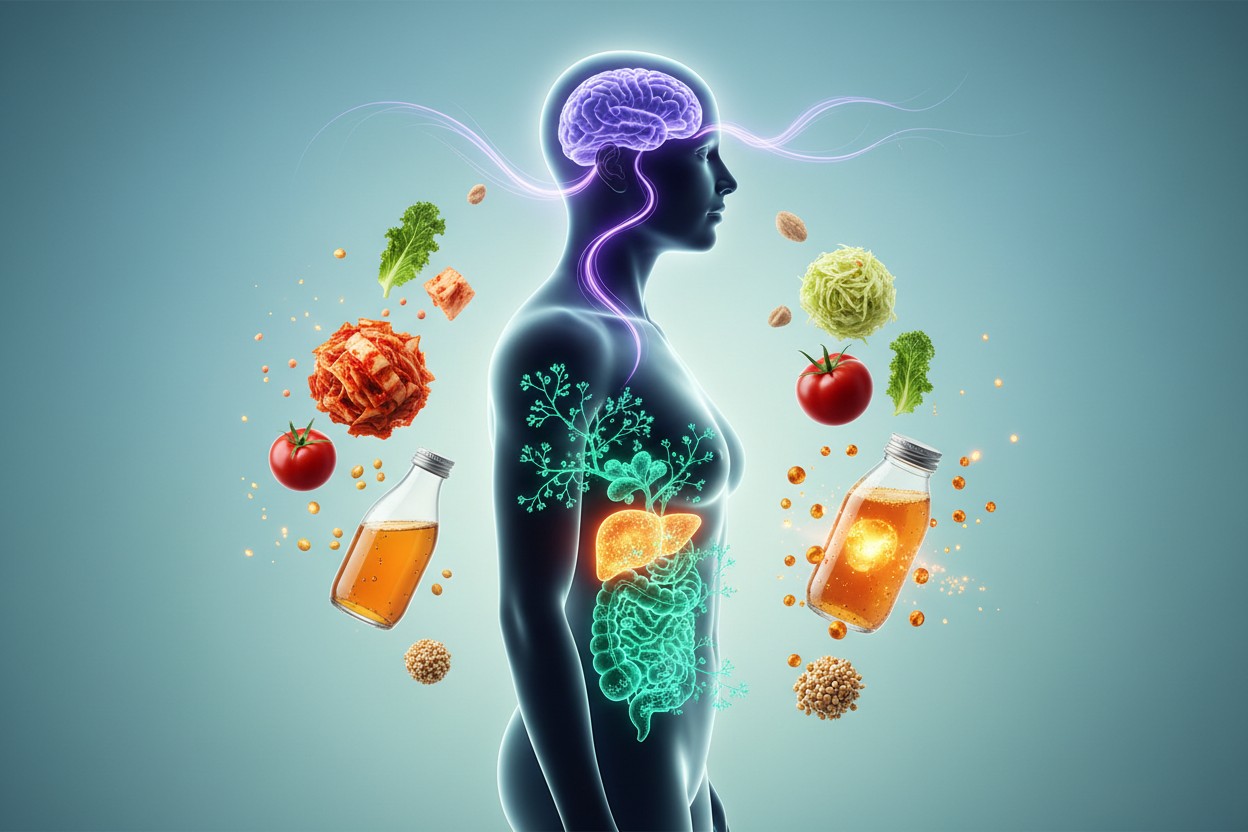
A review published July 29, 2026, in the journal Nutrients examined gamma-aminobutyric acid (GABA), a compound known for calming brain activity, for possible effects outside the nervous system. According to the review, GABA may influence the gut, immune system, metabolism, hormones and liver. The findings are based largely on animal and cell studies, and the review's authors said larger human trials are needed.
GABA is best known as the brain's primary inhibitory neurotransmitter, which regulates stress, anxiety and sleep, according to an article in NaturalNews.com [1]. The new review frames the compound as a 'functional nutrient,' meaning a bioactive compound that, under certain conditions, may influence how the body works.
What is GABA?
GABA is a naturally occurring metabolite found throughout the body. In the brain, it functions as the primary inhibitory neurotransmitter, according to the review. An article in NaturalNews.com describes GABA as regulating stress, anxiety and sleep [1]. The review stated GABA is also produced in the gut by certain bacteria and appears in small amounts in foods including fermented foods, tomatoes and sprouted grains.
Gut microbiota produces a wide range of mammalian neurotransmitters, including dopamine, norepinephrine, serotonin and gamma-aminobutyric acid, according to research on the gut microbiome as a mediator between diet and DNA [2]. Because GABA receptors are present in many tissues outside the nervous system, the review described GABA as a 'functional nutrient,' a term for a bioactive compound that may affect body function under certain conditions rather than an essential nutrient whose absence causes deficiency.
What the review found
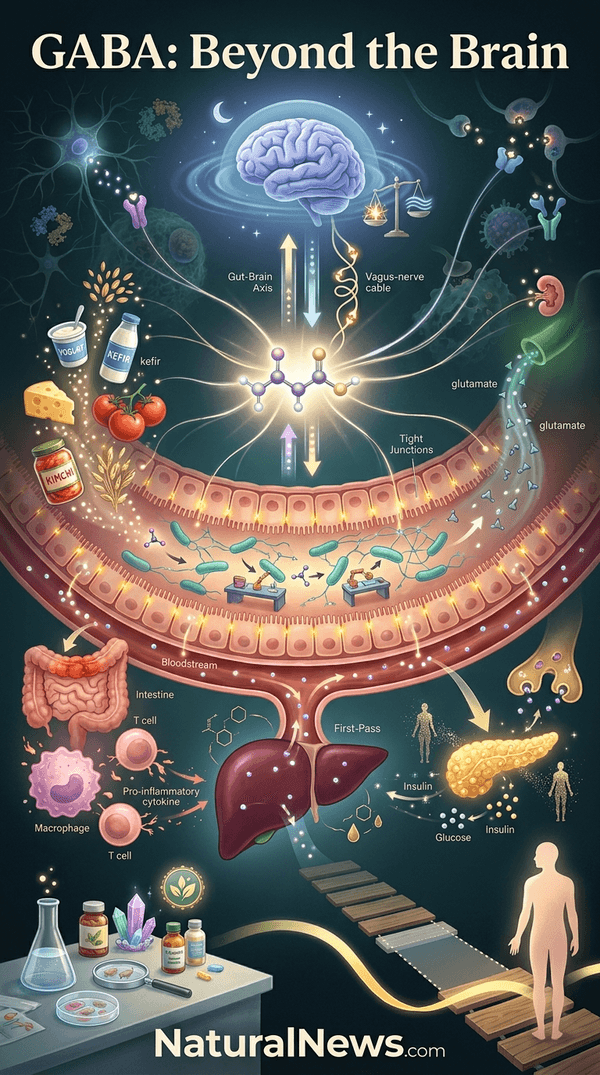
The review pulled together experimental and preclinical evidence across five areas of the body. According to the review, GABA may support the intestinal barrier and communication between the gut and its resident microbes. The microbiome modulates how immune cells operate, according to Dr. Tom O'Bryan in You Can Fix Your Brain [3]. The review reported GABA may influence inflammatory signaling and immune-cell activity.
Animal models showed effects on glucose and insulin-related pathways, according to the review. A small number of human trials, including one in people with prediabetes and one in children with type 1 diabetes, produced modest and inconclusive results. The review noted GABA receptors exist in hormone-producing tissues, and orally consumed GABA is largely taken up by the liver before reaching the bloodstream. The review points to the liver as a key site of GABA metabolism and described these areas as early signals rather than proven benefits.
Dietary sources and supplements
GABA is present in fermented foods, tomatoes and some sprouted grains, according to the review. Fermented foods such as kimchi and kefir, along with probiotics such as Bifidobacterium and Lactobacillus, support GABA production by nurturing gut bacteria linked to neurotransmitter synthesis, according to NaturalNews.com [1]. Liana Werner Gray writes in Anxiety Free with Food that fermented foods including sauerkraut, kimchi, kombucha, miso, tempeh and sourdough provide probiotics [4]. A study reported by NaturalNews.com found fermented cabbage reduced intestinal barrier damage by 40 percent, outperforming raw cabbage and probiotic supplements [5].
The review noted GABA supplements are widely available and have been studied for sleep, stress support, exercise recovery and relaxation. According to the review, supporting a healthy microbiome may influence the body's own GABA levels. Research published in JAMA Psychiatry found that supplementing with probiotics led to greater improvements in symptoms of depression compared with a placebo [6].
Takeaway
The report stated that GABA is currently best understood as a supplement for stress and sleep, with additional possible roles under investigation. According to the review's authors, larger human trials will determine whether the findings on the gut, immune system, metabolism, hormones and liver hold up.
The review did not provide clinical recommendations for GABA supplementation beyond the conditions studied.
References
- NaturalNews.com. "The hidden key to calm How modern life is sabotaging your brains off switch—and how to fix it". NaturalNews.com. September 10, 2025.
- "Gut Microbiota as Important Mediator Between Diet and DNA".
- Dr Tom O Bryan. "You Can Fix Your Brain Just 1 Hour a Week to the Best Memory Productivity and Sleep Youve Ever Had".
- Liana Werner Gray. "Anxiety Free with Food: Natural Science Backed Strategies to Relieve Stress and Support Your Health".
- NaturalNews.com. "Fermented cabbage outperforms probiotic pills in gut health study". NaturalNews.com. March 3, 2026.
- Mercola.com. "Can Probiotics Ease Major Depressive Disorder". Mercola.com. July 20, 2023.
Explainer Infographic





Please contact us for more information.