


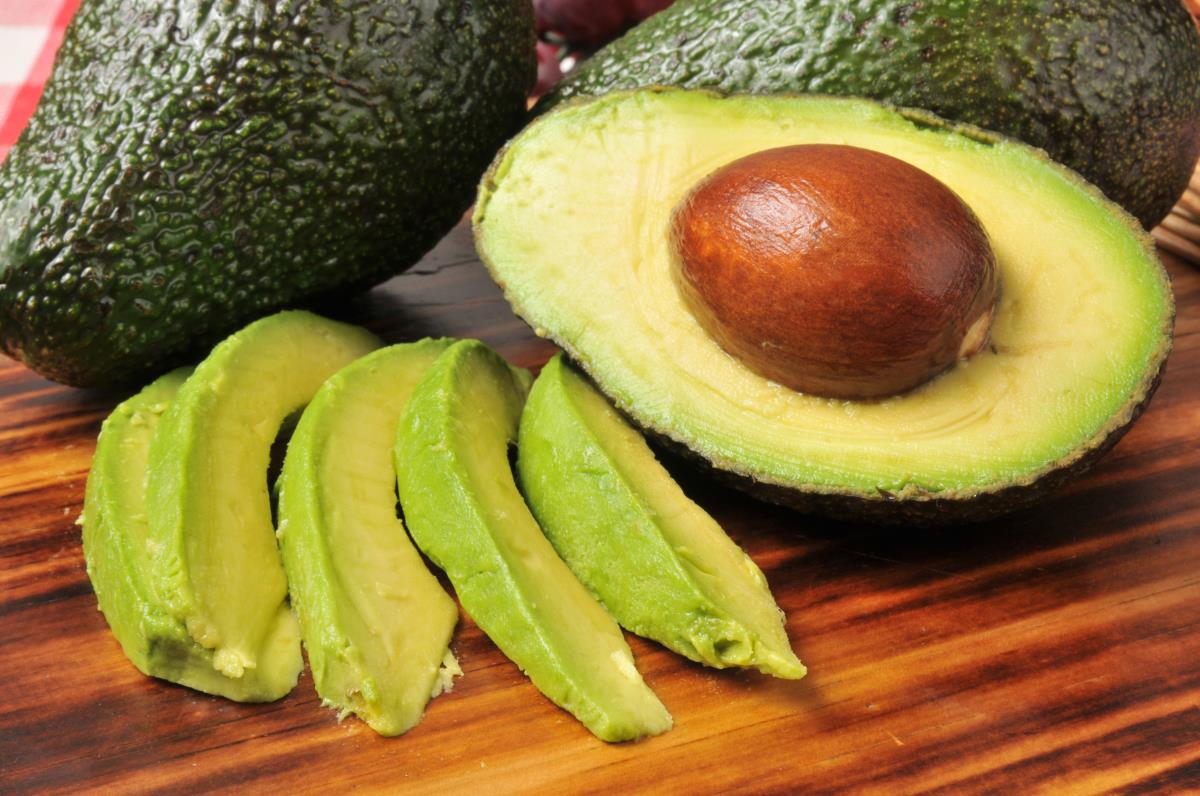
- Avocados are the only fruit containing unsaturated fats, with 6 grams per serving.
- A major clinical trial (HAT Study) found daily avocado consumption improved diet quality without weight gain.
- Adding avocado to meals increases absorption of fat-soluble vitamins and plant compounds by up to 15 times.
- Only 6% of Americans meet daily fiber requirements; one avocado provides roughly one-third of the recommended intake.
- Replacing saturated fats with avocado was linked to a 22% lower risk of cardiovascular disease.
The research that changed how we view dietary fat
For decades, Americans were told to fear fat. The message was simple: Fat contains more calories per gram than carbohydrates or protein, and early research linked certain fats to cardiovascular risk markers. But a growing body of evidence is rewriting that narrative, and at the center of this nutritional shift sits an unlikely hero—the avocado.
Nearly 1,000 participants with elevated waist circumference recently completed the Habitual Avocado Trial, a multicenter randomized study published in Nutrition, Metabolism & Cardiovascular Diseases. The question was straightforward: What happens when people add one whole avocado to their daily diet for six months? The answer surprised even the researchers. Despite containing 200 to 300 calories per fruit, participants saw no weight gain and no increase in visceral fat, the dangerous abdominal fat that raises heart disease risk. Their overall diet quality scores actually improved.
This research matters today because less than 12% of Americans are metabolically healthy, according to recent estimates. Nutrition remains one of the most powerful levers available for improving population health, and the avocado provides a practical entry point.
Why avocados defy conventional nutritional wisdom
Avocados are virtually the only fruit containing unsaturated fats, with 6 grams per serving. More than 70% of their fat content is the monounsaturated variety—the same heart-healthy fat found in olive oil. This composition matters because swapping unsaturated fats for saturated fats lowers cardiovascular disease risk, as multiple studies since 2010 have confirmed.
The British Heart Foundation notes that eating two or more servings of avocado per week—with one serving equaling half a medium avocado—can lower cardiovascular disease risk by 16%. A 2022 study in the Journal of the American Heart Association found that replacing a quarter of a medium avocado for margarine, butter, egg, yogurt, cheese or processed meats led to a 22% lower risk of cardiovascular disease.
The historical context is important here. The 1990s brought widespread fat-phobia, with processed food manufacturers replacing fat with sugar and refined carbohydrates. The result was not improved health outcomes but rising rates of obesity, diabetes and metabolic syndrome. The avocado offers a corrective: a whole food that demonstrates that fat quality matters more than fat quantity.
The fiber connection most Americans are missing
Only 6% of Americans meet the daily recommended fiber intake of 25 to 35 grams. That statistic means roughly 94% of the population falls short on a nutrient that does more than support digestion. Fiber slows digestion, promotes satiety and helps lower LDL cholesterol.
One-third of a medium avocado provides 3 grams of fiber, more than 10% of the daily goal. A whole avocado delivers approximately 13.5 grams, nearly half the recommended daily intake. When combined with whole grain toast, beans and vegetables across the day, meeting fiber targets becomes achievable without supplements.
Fiber remains abstract for many consumers, who have learned to identify protein sources but struggle to recognize fiber-rich foods. The avocado solves this problem by packaging fiber with the creamy texture and satisfying mouthfeel that make it easy to incorporate into meals.
Beyond calories: What each bite delivers
The calorie conversation creates hesitation around avocados. A whole fruit contains between 200 and 300 calories, depending on size. But nutrition researchers now emphasize that calories represent only part of the picture; the real question involves what a food delivers within those calories.
Avocados provide more than 20 vitamins and minerals, including potassium linked to lower blood pressure, vitamin E, B vitamins and manganese. They contain polyphenols and other plant chemicals with anti-inflammatory and antioxidant effects. The unsaturated fat content also enables absorption of fat-soluble vitamins A, E, D and K from other foods consumed at the same meal.
This concept of food synergy represents one of the more compelling recent developments in nutrition science. When avocado is added to a salad containing carrots and leafy greens, the unsaturated fat increases absorption of carotenoids—the beneficial plant compounds—by a factor of up to 15. The avocado breaks open plant cell walls, releasing vitamin K and other nutrients that would otherwise pass through the digestive system unabsorbed.
Practical ways avocados shift daily nutrition
The Habitual Avocado Trial revealed that participants who added one avocado daily saw their overall dietary glycemic load drop by 14 points. Lower glycemic load correlates with better blood sugar control and reduced risk of Type 2 diabetes. This reduction occurred not through restriction but through substitution: participants used avocado in muffins, pesto, granola bites and marinades, replacing added sugars and saturated fats in everyday foods.
Blood sugar management represents a pressing concern. By some estimates, fewer than 10% to 12% of Americans are metabolically healthy. Avocados slow digestion and reduce carbohydrate-induced spikes, making them valuable for anyone concerned about blood sugar stability.
Breakfast provides a particularly effective entry point. Adding half an avocado to morning toast transforms a high-carbohydrate meal into one with sustained energy release, healthy fats and fiber that promotes fullness through the morning hours.
The takeaway for heart-conscious eaters
The avocado research demonstrates that adding nutrient-dense whole foods to the diet produces better outcomes than restricting foods perceived as high-risk. The Habitual Avocado Trial participants saw improved diet quality scores, no weight gain and modest but measurable reductions in total and LDL cholesterol.
Three principles emerge from this research. First, focus on addition rather than subtraction—look for foods that bring real nutritional value and that you actually enjoy eating. Second, think in patterns rather than single nutrients; meals work synergistically, and building a pattern of whole foods across the day compounds over time. Third, trust the practical science: these are real people eating real food, and the results remain consistent across multiple large-scale studies.
The avocado offers something rare in nutrition science: a single food that improves diet quality, supports heart health, helps manage blood sugar and delivers measurable benefits without requiring anyone to give up the foods they love. In a field crowded with competing claims and contradictory advice, that represents progress worth noting.
Sources for this article include:













Please contact us for more information.