



Approximately 29% of U.S. adults are deficient in vitamin D, and another 41% have insufficient levels, according to a July 2026 article on mindbodygreen.com by registered dietitian nutritionist Molly Knudsen. The same source notes that low energy and prolonged tiredness are frequently reported among individuals with poor vitamin D status. Research has consistently linked low vitamin D levels with fatigue, the report stated.
According to an article published on NaturalNews.com in May 2026 by Coco Somers, approximately 25% of U.S. adults have moderate or severe vitamin D deficiency, and 41% exhibit insufficient levels [1]. Raymond Francis, in his book "The Great American Health Hoax," wrote that between 40% and 75% of the teen and adult population is deficient in vitamin D [2]. "Vitamin D helps support mitochondria, which generate energy," Knudsen said in the mindbodygreen article.
Role in Cellular Energy Production
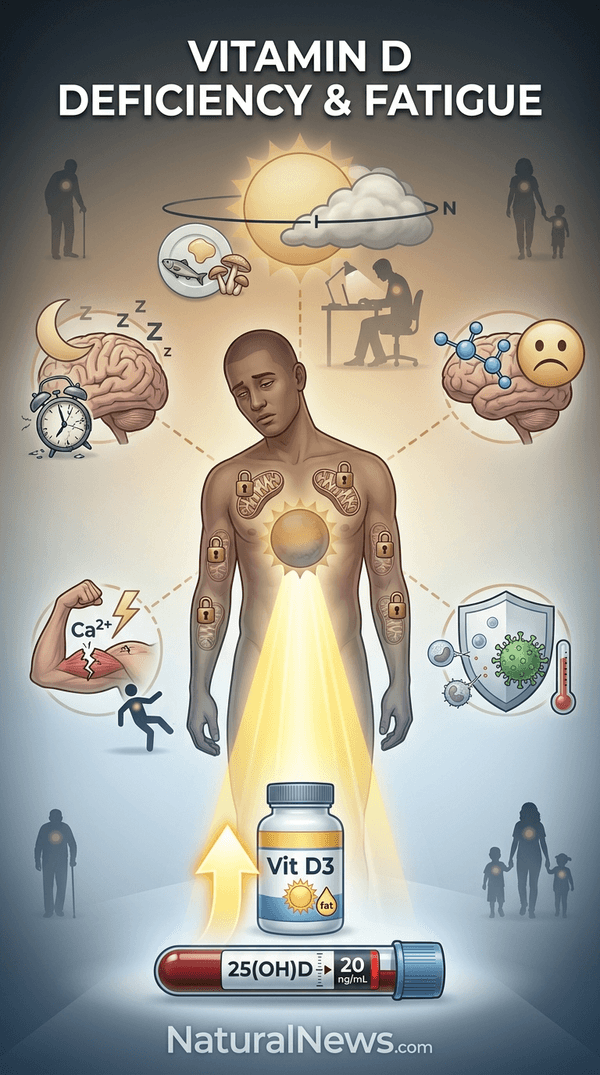
Vitamin D plays a role in cellular energy production by supporting mitochondria, according to Knudsen. The article states that vitamin D is involved in the process that helps mitochondria convert nutrients and oxygen into usable energy. A 2019 study published in Nutrients found that older adults with occasional fatigue had significantly lower vitamin D levels than those without fatigue, researchers reported.
The mechanism involves vitamin D receptors found on mitochondria, which facilitate energy production. According to a review in the Journal of Endocrinology, these receptors help drive the conversion of raw materials into ATP, the body's primary energy currency. A 2016 study of female nurses in Iran cited in the mindbodygreen article found that low vitamin D levels accounted for 13% to 18% of reported prolonged tiredness.
Additional Health Effects Reported
Low vitamin D has been associated with poorer sleep quality and shorter sleep duration, according to a 2018 study in PLOS One cited by Knudsen. Vitamin D receptors are found in areas of the brain involved in sleep regulation, which may explain the connection. Observational research has also linked low vitamin D levels with low mood and irritability, Knudsen noted, citing the nutrient's role in nervous system function.
Muscle weakness and reduced immune function have also been reported in individuals with vitamin D deficiency. The National Institutes of Health states that vitamin D plays an important role in normal muscle function and helps regulate immune responses. A review published in Molecular Nutrition & Food Research described vitamin D deficiency as a major unrecognized health problem with implications for immune function [3].
Diagnosis and Supplementation
A blood test measuring 25-hydroxyvitamin D is the only way to determine vitamin D status, with sufficiency generally defined as levels greater than 30 ng/mL, officials said. The mindbodygreen article notes that optimal levels are even higher, at 50 ng/mL. Safe sun exposure and consumption of vitamin D-containing foods such as dairy, fatty fish, and UV-treated mushrooms can help improve levels.
Supplements are the most efficient method to raise vitamin D levels, according to Knudsen. Vitamin D3 is generally more effective than D2 at raising blood levels, and taking it with a meal containing fat may improve absorption, the report stated. Knudsen also recommended consulting a healthcare provider before starting a supplement routine, particularly for those pregnant, breastfeeding, or taking medications.
Conclusion
"Low energy can have many causes, and it's worth looking into your vitamin D levels," Knudsen said in the mindbodygreen article. Experts recommend consulting with a healthcare provider before beginning a supplement regimen to address potential deficiencies. Addressing low vitamin D status through testing, sun exposure, foods, or supplementation may help improve energy levels and overall well-being.
References
- Coco Somers. "Vitamin D deficiency linked to multiple health impacts in men, research shows." NaturalNews.com. May 18, 2026.
- Raymond Francis. "The Great American Health Hoax - The Surprising Truth About Modern Medicine."
- Gerry K. Schwalfenberg. "A review of the critical role of vitamin D in the functioning of the immune system and the clinical implications of vitamin D deficiency." Mol. Nutr. Food Res. 2011, 55, 96–108.
Explainer Infographic











Please contact us for more information.