


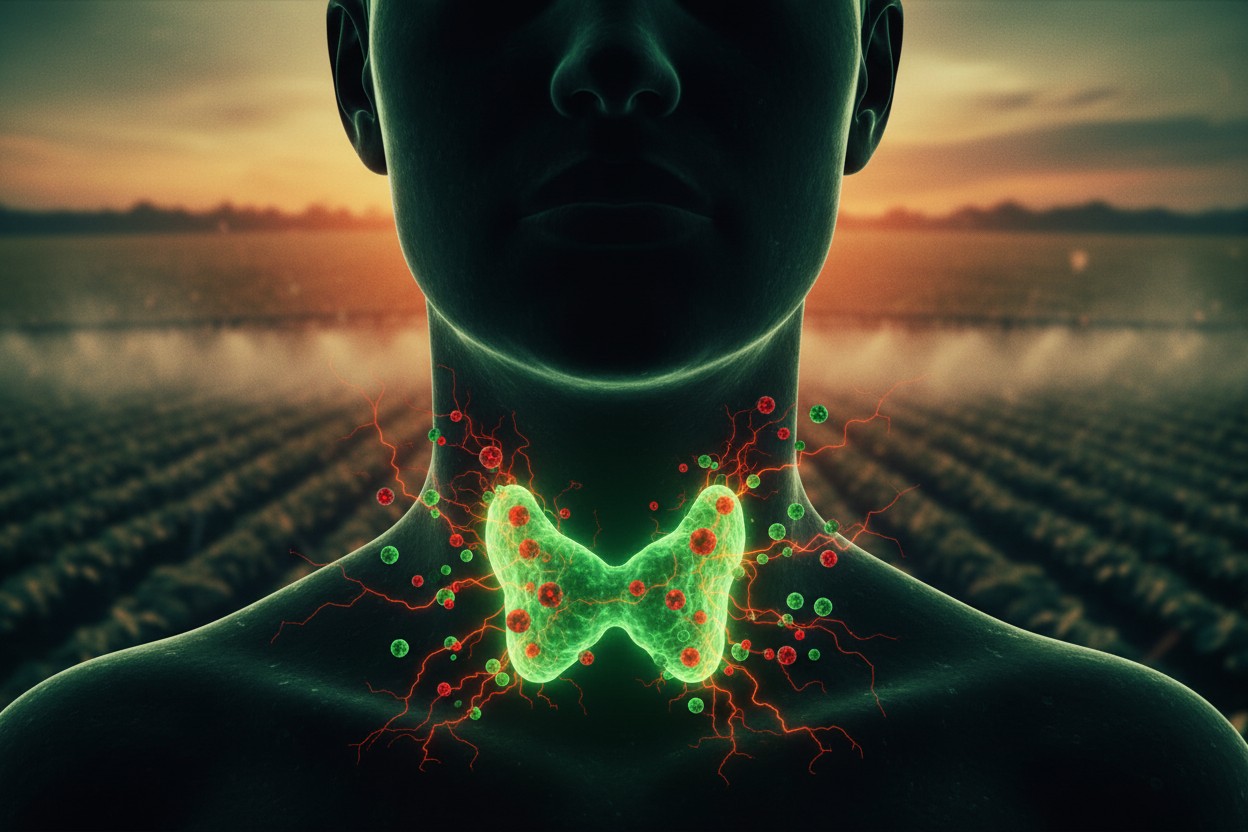
- A study of nearly 8,000 American adults found those with the highest intake of six antioxidant nutrients had 56% lower odds of hypothyroidism.
- Researchers analyzed data from the National Health and Nutrition Examination Surveys (2007-2012) published in BMC Endocrine Disorders.
- Zinc ranked as the most protective nutrient, followed by vitamin E, vitamin C, selenium, vitamin A and magnesium.
- The link between diet and thyroid health remained strong even after adjusting for age, weight, smoking and existing thyroid conditions.
- Just one to two Brazil nuts daily can provide sufficient selenium for thyroid protection.
The discovery: A national snapshot of diet and thyroid risk
Nearly 8,000 American adults. Six nutrients. One striking finding: those who consumed the most antioxidant-rich foods were 56% less likely to have an underactive thyroid than those who ate the least.
Published in BMC Endocrine Disorders, the study drew from the National Health and Nutrition Examination Surveys spanning 2007 to 2012. Researchers calculated each participant's combined intake of selenium, zinc, magnesium and vitamins A, C and E. Among the 7,959 subjects, 213 had hypothyroidism. Those ranking highest in dietary antioxidant consumption showed dramatically lower odds of the condition — even after researchers controlled for age, weight, smoking habits and pre-existing thyroid problems.
The pattern persisted when researchers excluded participants already taking thyroid medication, suggesting diet plays an independent role in thyroid function rather than merely reflecting treatment status.
Why oxidative stress matters for the thyroid
The thyroid gland produces hormones that regulate energy, metabolism, body temperature, mood, heart rate and blood pressure. This process generates oxidative stress — cellular damage that accumulates over time.
Researchers noted that oxidative stress contributes heavily to thyroid dysfunction. Antioxidant nutrients appear to blunt that damage before it triggers disease. The thyroid gland holds more selenium per gram than almost any other organ in the body, underscoring how dependent this small butterfly-shaped gland is on dietary protection.
Nearly 20 million Americans have thyroid disorders, but only about 40% are aware of their condition, according to health estimates. Standard blood work often returns technically normal even when patients report persistent fatigue, brain fog and cold intolerance — symptoms that can go unaddressed for years.
Which nutrients carried the most weight
Using statistical ranking methods, researchers identified the six nutrients in order of protective strength:
- Zinc — ranked first, helping convert inactive thyroid hormone into the active form the body uses
- Vitamin E — tied to reduced thyroid autoimmunity in earlier studies
- Vitamin C — improves absorption of zinc when consumed together
- Selenium — protects thyroid tissue during hormone production
- Vitamin A — supports overall immune and cellular function
- Magnesium — plays supporting roles in enzymatic thyroid function
Zinc helps the body complete a conversion step that cannot be skipped; low zinc slows the entire thyroid hormone production process. Selenium works alongside zinc, with earlier research linking low zinc intake to new-onset hypothyroidism and vitamin E status to autoimmune thyroid conditions.
Building a thyroid-supportive plate
Roasted seaweed provides naturally rich iodine, a trace element essential for normal thyroid function. Kelp, nori and wakame can be added to salads or eaten as packaged snacks. Dairy products like yogurt, ice cream and milk also contain iodine, which prevents the thyroid gland from becoming enlarged — a condition known as goiter.
Brazil nuts, macadamia nuts and hazelnuts deliver selenium. Just one or two Brazil nuts daily supplies a substantial amount, since the soil in which they grow runs unusually rich in the mineral. Fresh eggs contain healthy amounts of both selenium and iodine, with the yolk holding most of the nutrients.
Baked fish — including salmon, cod, sea bass, haddock and perch — offers omega-3 fatty acids and selenium, both of which decrease inflammation. Pumpkin seeds, oysters, chickpeas and 100% grass-fed beef provide meaningful zinc. Pairing zinc-rich foods with a vitamin C source at the same meal improves absorption.
The bigger picture: Testing beyond TSH
An underactive thyroid often travels alongside tired adrenal glands. Both systems respond to the same chronic stressors and depend on overlapping nutrients. Most standard thyroid workups stop at a single TSH number, leaving the adrenal half of the story unexamined.
Functional lab testing can catch thyroid dysfunction years before a standard panel raises a flag. For anyone who has been told their labs look normal despite feeling far from normal, the question of deeper testing remains worth asking.
This study, while capturing only a single snapshot in time, makes the overall pattern hard to dismiss. The consistency across six different nutrients, together with a massive sample size, suggests the path to better thyroid health may begin not with a prescription, but with what lands on the dinner plate.
Sources for this article include:









Please contact us for more information.