


Introduction: Why Fruit Differs From Added Sugars
Most Americans consume excess added sugar, according to the Centers for Disease Control and Prevention. Whole fruits, however, contain dietary fiber that slows glucose absorption, according to nutrition experts. Fruit provides fructose along with fiber, water, vitamins, and antioxidants, making it a healthier carbohydrate source than refined sweets, according to available research. [1]
Emma M. Laing, PhD, RDN, told Verywell that dietary fiber normalizes blood sugar by slowing the entry of glucose into the bloodstream. The fiber content in whole fruit prevents the rapid blood sugar spikes caused by refined sugars and fruit juices, according to Ava Grace in a 2026 article. [2] This distinction is important for individuals managing diabetes or prediabetes.
How Dietary Fiber Affects Blood Sugar
Foods high in fiber are digested more slowly than low-fiber foods, reducing post-meal blood sugar spikes, according to nutrition researchers. Fiber acts as a key mechanism that promotes satiety and ensures a gradual release of glucose into the bloodstream. [2] Berries, for example, contain high amounts of fiber relative to their sugar content, making them a preferred option for blood sugar management, according to Willow Tohi in a 2026 report. [3]
Other factors beyond fiber content also influence blood sugar levels in people with diabetes, according to Laing. Physical activity, medications, stress levels, and hydration status all play a role. [4] Pairing carbohydrates with protein and fat can further slow glucose absorption, according to registered dietitian Molly Knudsen. [4] Understanding these interactions allows for more effective dietary planning.
Eight Fruits With Lower Sugar Content
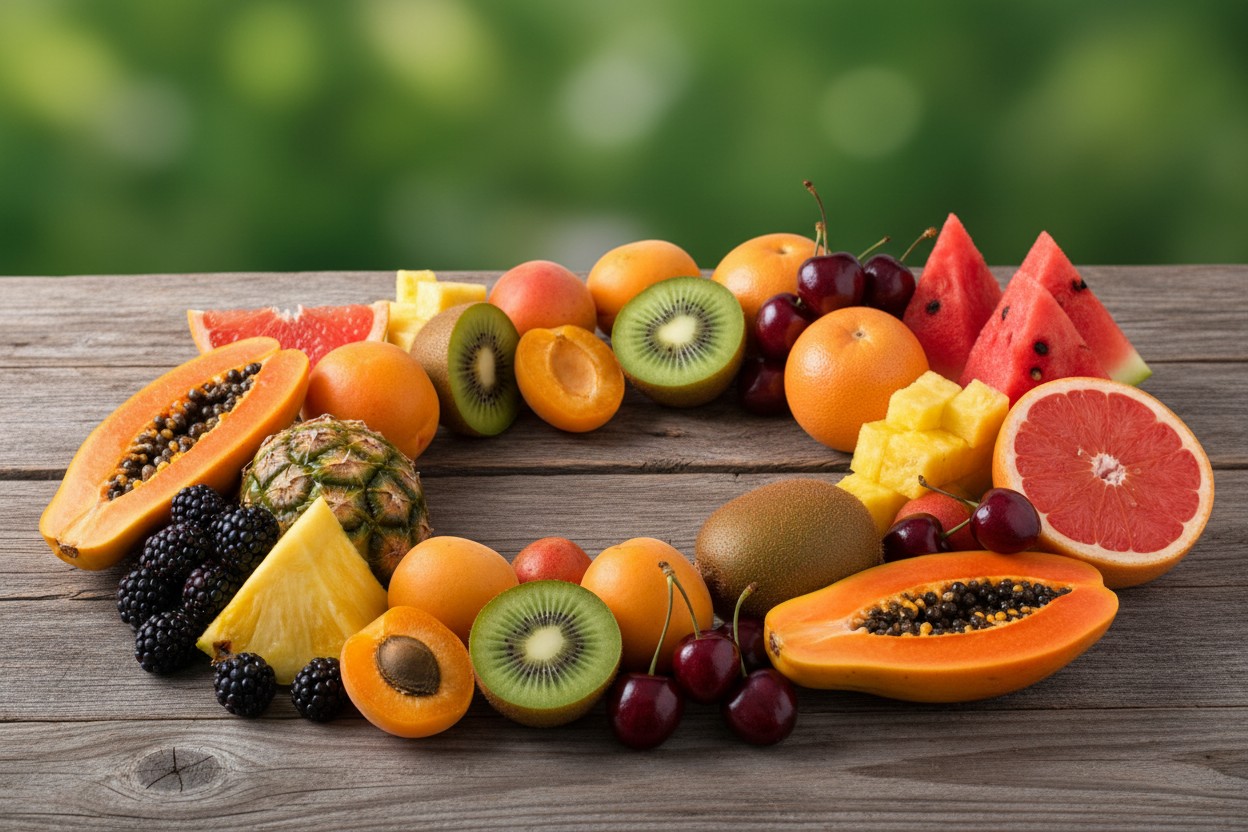
Blackberries contain approximately 7 grams of sugar and 8 grams of fiber per cup, according to nutritional data. They are rich in vitamin C and antioxidants, and a cup of raw blackberries provides at least half of the recommended daily target for vitamin C, according to a 2019 NaturalNews.com article. [5] Kiwi provides about 6.7 grams of sugar and 2.3 grams of fiber per medium fruit, and is also a significant source of vitamin C.
Fresh apricots contain approximately 3 grams of sugar and 1 gram of fiber per fruit. Dried apricots contain more concentrated sugar, according to dietary guidelines. Pineapple contains about 9 grams of sugar and 1 gram of fiber per half-cup serving, but pineapple canned in heavy syrup can contain up to 25 grams of sugar per serving, according to reports. [6]
Watermelon, which is over 90% water, provides 9.6 grams of sugar and 1 gram of fiber per cup, along with lycopene, according to nutrition analyses. Cherries contain about 10 grams of sugar and 1.5 grams of fiber per half-cup, and also provide vitamin C and potassium. [6] Grapefruit contains approximately 10 grams of sugar and 2 grams of fiber per half-fruit, but its juice has less fiber and may be absorbed more rapidly, according to reports.
Papaya contains about 13 grams of sugar and 2.8 grams of fiber per cup. It also provides antioxidants and vitamins, but may cause reactions in individuals with a latex allergy, according to nutrition experts. [6] These eight fruits represent options that can be included in a diabetes-friendly eating plan without causing extreme blood sugar elevations, according to dietitians.
Practical Tips for Including Fruit in a Diabetes-Friendly Diet
Pairing fruit with protein, fat, or additional fiber helps moderate blood sugar response, according to Laing. For example, eating an apple with a handful of almonds may reduce the glycemic impact of the fruit. [4] Consuming fruit in juice or smoothie form often adds sugars and reduces fiber content, which can lead to more rapid blood sugar spikes, according to reports. [2] Commercially prepared fruit-based products, such as acai bowls, may contain significant added sugar, according to a 2026 report. [7]
Spread fruit servings throughout the day rather than consuming large amounts at one time, according to nutrition counselors. Grapefruit can interact with certain medications, including statins and some blood pressure drugs, according to the U.S. Food and Drug Administration. [6] Homemade jams offer better control over sugar content and additives compared to store-bought versions, according to experts cited in a 2026 publication. [8]
Conclusion
Whole fruits remain a valuable component of a balanced diet for those monitoring blood sugar levels, according to nutrition researchers. The fiber, water, and phytonutrient content of whole fruits contribute to their metabolic benefits, distinguishing them from refined sugars and processed fruit products, according to available evidence. [9] Focus on portion control, variety, and consuming fruits in their whole form rather than as juices or processed products, according to dietary recommendations. [3]
References
- NaturalNews.com. "11 Everyday snacks that combat blood sugar spikes". NaturalNews.com. July 18, 2026.
- Ava Grace. "The Sweet Truth: How to Eat Fruit Without Fear in a Sugar-Saturated World". NaturalNews.com. April 08, 2026.
- Willow Tohi. "The Sweet Spot: Navigating Fruit on a Low-Carb Diet". NaturalNews.com. February 24, 2026.
- Molly Knudsen. "Ten Carbohydrate Sources Identified for Blood Sugar Management". NaturalNews.com. April 07, 2026.
- NaturalNews.com. "Rich in health benefits, enjoy blackberries all year". NaturalNews.com. July 13, 2019.
- NaturalNews.com. "Here are the healthiest fruits you can eat that are low in sugar". NaturalNews.com. November 24, 2018.
- NaturalNews.com. "The ACAI BOWL paradox: How commercially prepared bowls can spike blood sugar and sideline nutrition". NaturalNews.com. June 20, 2026.
- NaturalNews.com. "Homemade Jams Offer Control Over Sugar and Additives, Experts Say". NaturalNews.com. May 07, 2026.
- NaturalNews.com. "Nature's candy: How whole fruits offer a sweet alternative with measurable metabolic benefits". NaturalNews.com. May 19, 2026.












Please contact us for more information.