


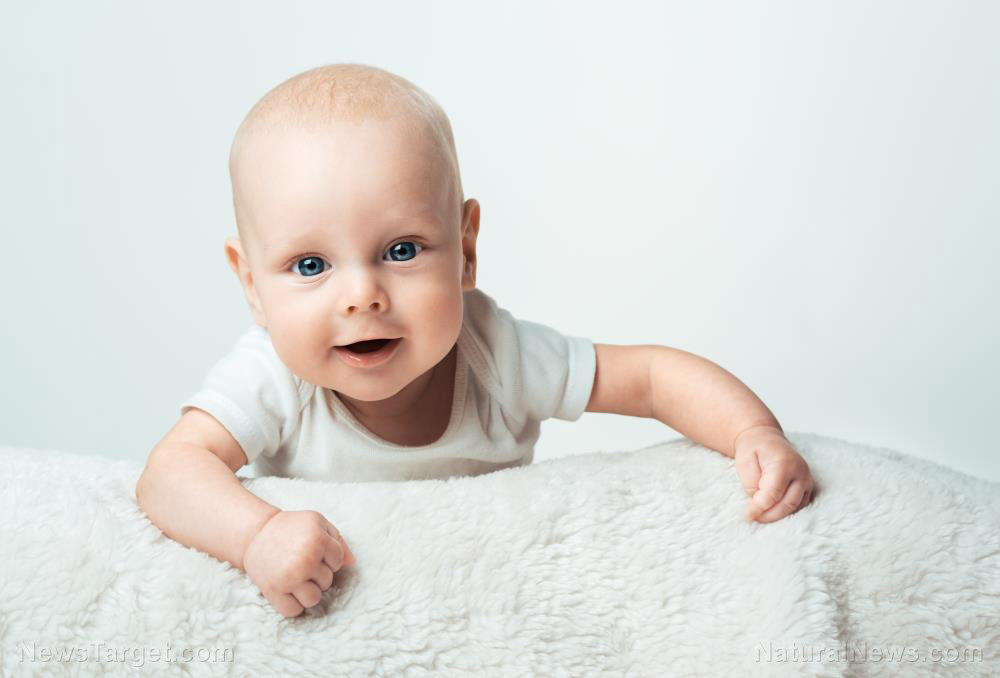
- Atlanta is the first U.S. city to offer employees who are new parents a free SNOO Smart Sleeper rental, a Wi-Fi-connected robotic bassinet.
- Critics warn the bassinet collects sensitive infant data, including name, photo, and sleep habits, shared with affiliates.
- The bassinet’s wireless radiation testing was done by a China-based lab the FCC flagged as a national security threat.
- The FDA cited Happiest Baby for selling unapproved sleep sack sizes that could pose respiratory or suffocation risks.
- Mold and unsanitary conditions were reported on refurbished SNOO units, raising infection concerns for infants.
Atlanta is now the first U.S. city handing out a free perk for new parents: a six-month rental of the SNOO Smart Sleeper, a $1,695 Wi-Fi-connected robotic bassinet from Happiest Baby. But what looks like a generous family benefit comes with strings attached: Critics warn the device collects sensitive infant data, may undermine parent-child bonding, and had its wireless radiation testing performed by a China-based lab the FCC recently flagged as a national security threat.
The bassinet rocks, swaddles, and plays white noise to help babies — and their exhausted parents — sleep, all controlled through an app on the parent's phone. Happiest Baby says a metal shield in the bassinet blocks 99.9 percent of wireless radiation from reaching the infant, but privacy advocates argue the bigger issue isn't radiation; it's what happens to the data once it leaves the nursery.
Data collection raises privacy questions
Miriam Eckenfels, director of Children's Health Defense's Electromagnetic Radiation and Wireless Program, warned that outsourcing infant soothing to a machine carries risks many parents may not fully consider. "During the first months of human life, a baby craves a mother's contact," Eckenfels said. "Skin to skin, touch and smell are all imperative components to healthy bonding needed for a child's development."
Happiest Baby's own privacy policy confirms the SNOO tracks the baby's name, birthday, photo, gender, premature status, and sleep patterns — data the company reserves the right to pass along to its affiliates and outside partners. That leaves parents with little visibility into who ultimately has access to their child's data. "That's an intrusion into a family's privacy that parents have to carefully weigh against the benefits of potentially fewer sleep interruptions," Eckenfels said.
China-linked testing lab flagged as security risk
The security questions don't stop at the nursery door. Regulators say the company that certified the bassinet's wireless radiation levels is itself a national security concern: the FCC flagged the lab, which it says is controlled by the Chinese government, earlier this year, and on May 11 moved to strip its accreditation altogether given China's designation as a foreign adversary.
It's part of a broader pattern that has drawn scrutiny well beyond bassinets. Internet-connected toys and gadgets manufactured in China have raised similar alarms, since children often talk to these devices without any inhibition — sharing fears, routines, and family details they wouldn't tell an adult. City employees may want more assurances than they're currently getting.
FDA cites safety violations and mold complaints
Separately, the FDA sent Happiest Baby a warning letter on June 15 accusing the company of selling new sleep sack sizes and hospital bassinet bundles without ever getting the agency's sign-off. The extra-small sack, sized for babies as light as 4 pounds and never reviewed by regulators, "could be too tight on the infant and compress vital organs, limit diaphragmatic movement, and result in respiratory compromise," the letter stated. The extra-large version, meant for babies 23 to 25 pounds, drew its own warning: it could ride too high and cover a baby's face, or let the infant wriggle free of the swaddle entirely.
The FDA also flagged unsanitary refurbished units: "Stains, soiling and unsanitary conditions have been reported on refurbished SNOOs distributed to customers, which may pose risk of infection," the agency wrote. "Mold has been reported on SNOO Smart Sleeper mattresses and/or mattress covers."
Happiest Baby was given 15 days to respond. The company told Consumer Reports parents could "continue to use them safely and with confidence" regarding the small, medium, and large sacks, and said it was "committed to addressing the FDA's questions" on the other two sizes. Nancy Cowles, former executive director of the child-safety nonprofit Kids in Danger, told Consumer Reports that any sack size the FDA hasn't cleared shouldn't be used at all: "There's no certainty that babies can't move into a dangerous position."
A robotic bassinet that logs your baby's data, ships that data to unnamed "affiliates," and was tested for safety by a lab Washington itself doesn't trust is not a benefit; it's a liability with a bow on it. Parents don't need a smarter crib. They need full disclosure, honest labeling, and the freedom to decide for themselves what technology belongs near a newborn.
Sources for this article include:






Please contact us for more information.