


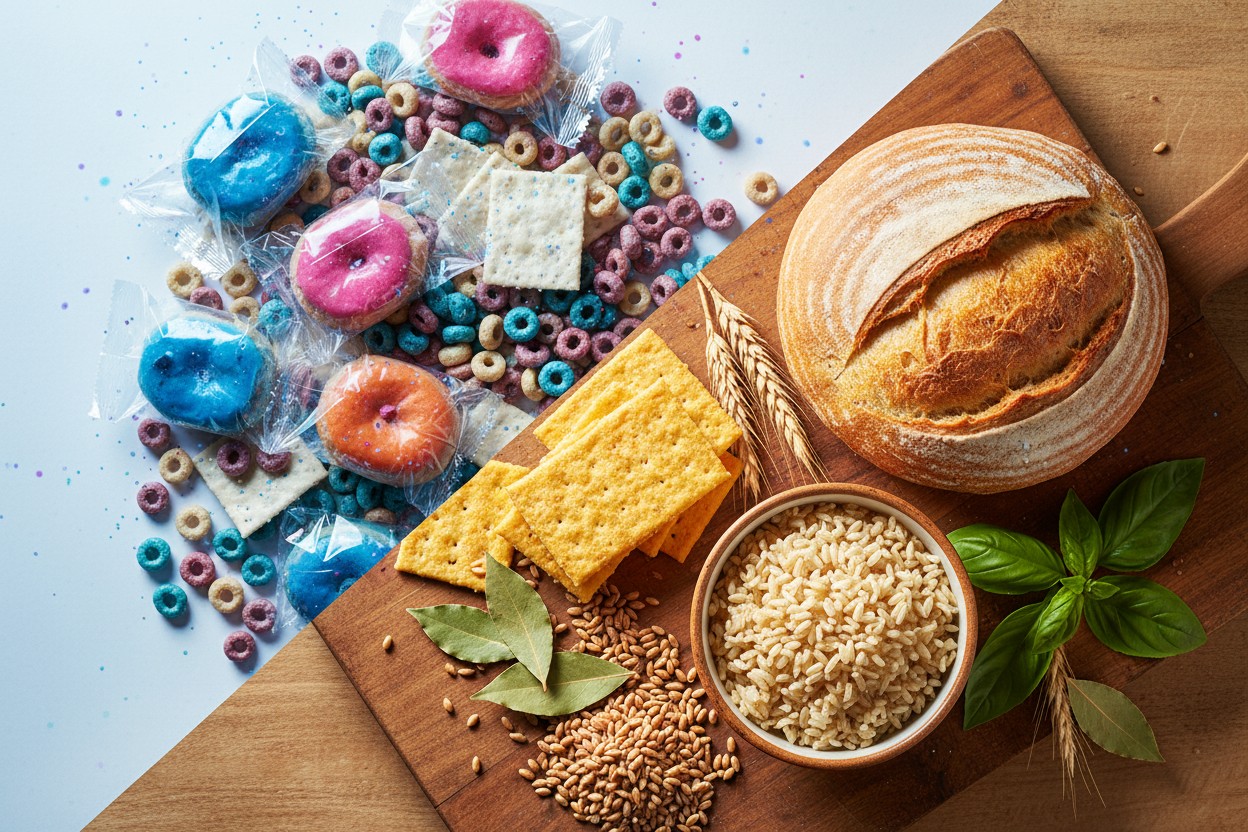
A study of more than 124,000 adults across 21 countries found that high consumption of ultraprocessed grains was associated with an 86% higher risk of developing inflammatory bowel disease (IBD), according to researchers. Fresh bread and rice were linked to a lower risk of IBD, the study reported, suggesting that the degree of processing, not the grain itself, may be the key factor.
The findings come amid growing concern over the health effects of ultraprocessed foods, which now account for more than 60% of calories in the average American diet, according to previous reports [4]. Researchers said the results highlight the need to distinguish between whole grains and their heavily processed derivatives when assessing diet-related disease risk.
Study Design and Participants
Researchers analyzed data from 124,590 adults taking part in the Prospective Urban Rural Epidemiology (PURE) study, one of the largest long-term nutrition studies in the world, according to the report. Participants completed detailed food questionnaires to estimate their intake of ultraprocessed grains, defined as packaged pastries, sweetened breakfast cereals, crackers, refined snack foods, and other grain products containing industrial additives, emulsifiers, and preservatives.
The researchers then followed participants over time to track new diagnoses of IBD, which includes both Crohn's disease and ulcerative colitis. The analysis adjusted for age, smoking, physical activity, and overall dietary patterns to isolate the relationship between ultraprocessed grain intake and IBD risk. The study was observational and does not prove that ultraprocessed grains directly cause IBD, the authors noted.
Key Findings on Grain Processing and IBD Risk
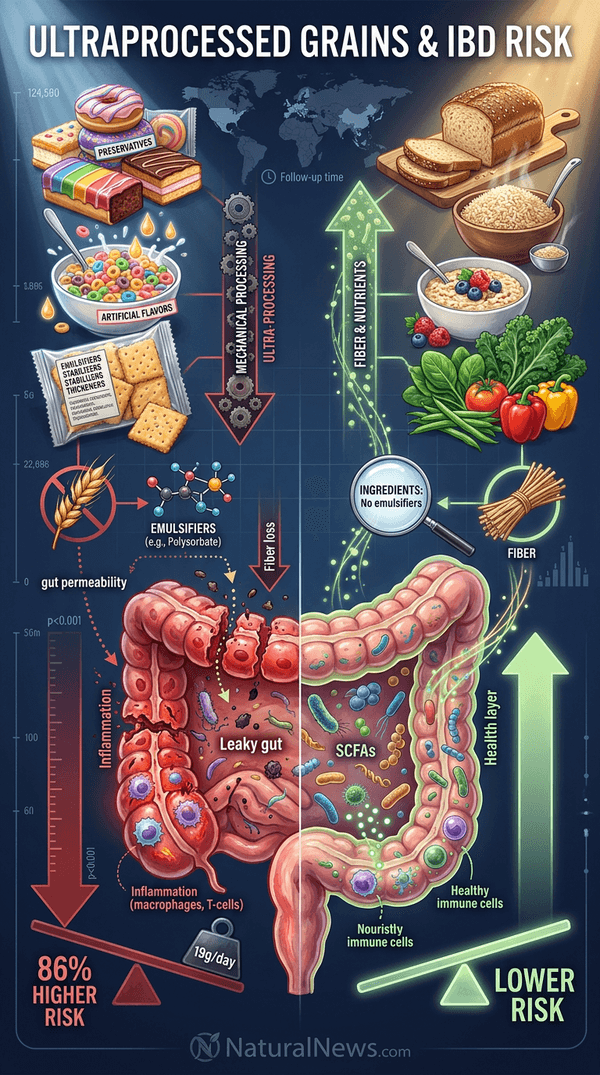
People who consumed the highest amounts of ultraprocessed grains, about 19 grams or more per day, had an 86% higher risk of developing IBD compared to those with the lowest intake, the study found. In contrast, consumption of fresh bread and rice was associated with a lower risk of IBD, according to researchers, reinforcing the idea that processing level matters more than carbohydrate content or grain source.
Modern dietary patterns are a primary driver of gut microbial imbalance, a condition known as dysbiosis that is linked to increased gut permeability and systemic inflammation [2]. The study's results align with prior research showing that refined and heavily processed carbohydrates contribute to chronic disease risk, as these foods lack fiber and essential nutrients [6].
Possible Mechanisms Behind the Association
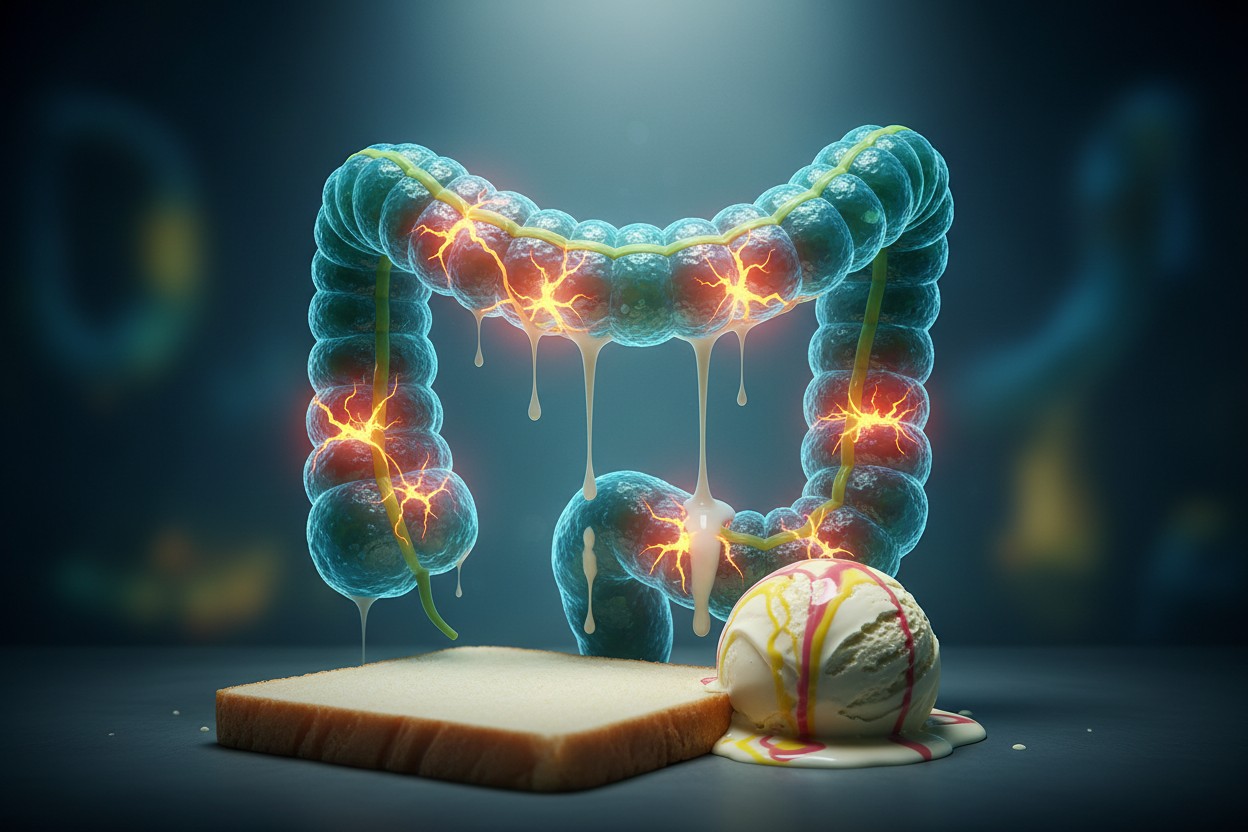
Researchers proposed several explanations for the link, noting that ultraprocessed grains are often stripped of naturally occurring fiber during manufacturing. Synthetic emulsifiers found in common foods such as supermarket bread and ice cream have been shown to degrade the protective gut lining, leading to increased intestinal permeability and systemic inflammation [3]. Many of these products also contain stabilizers, artificial flavors, and preservatives that may alter the gut microbiome.
A diet dominated by highly processed foods reduces the production of short-chain fatty acids (SCFAs) that nourish immune cells lining the gut, according to the book "Eat Better Forever" [7]. When the gut is not properly nurtured, the microbiome becomes less diverse and the body may become more susceptible to inflammation and illness [7]. The cumulative effect of these factors may help explain the higher IBD risk observed among heavy consumers of ultraprocessed grains.
Practical Implications and Dietary Swaps
The study's findings do not require eliminating all bread, pasta, or grains from the diet, researchers said, but rather choosing grain foods in forms closer to their original state. Suggested swaps include oatmeal instead of sweetened cereals, whole-grain or fresh bakery bread instead of packaged pastries, and rice or quinoa instead of heavily processed alternatives, according to the report. Replacing ultraprocessed foods with healthier alternatives has been recommended as a strategy to improve overall well-being [5].
Experts also advise reading ingredient labels for emulsifiers, artificial colors, stabilizers, and multiple refined starches as clues that a product is highly processed. Building meals around fiber-rich foods such as beans, vegetables, and whole grains helps nourish beneficial gut bacteria. A diet rich in plant-based foods has been shown to significantly lower the risk of developing inflammatory bowel diseases [1]. Small, consistent dietary changes can help create a healthier gut environment over time.
Conclusion
The findings align with a growing body of research linking high consumption of ultraprocessed foods to poorer gut and metabolic health, according to the study. No single food determines IBD risk, as genetics, immune function, and environmental factors also play a role, researchers said, but daily food choices shape the gut environment over years and decades.
The study was published in a peer-reviewed journal and adds to evidence that processing level is a relevant factor in dietary health, the authors concluded. As ultraprocessed foods, including plant-based alternatives, continue to flood the market, consumers are increasingly faced with choices that can either support or undermine gut health [8].
References
- S.D. Wells. "Plant-Based Food Regimen Key to Shielding Against Bowel Diseases, Including Cancer, Landmark Study Shows". NaturalNews.com. July 13, 2025.
- NaturalNews.com. "Your Gut's Worst Enemies: The 5 Foods That Sabotage Your Inner Ecosystem". April 13, 2026.
- NaturalNews.com. "These SIX Foods Sabotage Your Second Brain, but There Are Ways to Enhance Its Microbial Intelligence". January 22, 2026.
- Mercola.com. "60% of Calories Are From Ultraprocessed Food". June 28, 2023.
- NaturalNews.com. "Replace Ultra Processed Foods With These HEALTHY Alternatives". May 16, 2024.
- NaturalNews.com. "Excessive Consumption of BAD CARBS Increases Risk of CANCER". October 10, 2023.
- Hugh Fearnley-Whittingstall. "Eat Better Forever".
- Lindsay Maitland Hunt. "Help Yourself".
Explainer Infographic









Please contact us for more information.