



Mint, commonly used as a garnish or flavoring, contains compounds that have been studied for potential health benefits including digestive support, stress reduction, and oral health, according to research and nutrition experts.
Registered dietitian Nichola Ludlam-Raine told the Daily Mail that mint "adds plenty of flavor for virtually no calories" and can provide supplementary nutrients such as vitamin A, vitamin C, and phytonutrients like rosmarinic acid. Mint is part of the Mentha genus, with well-known varieties including peppermint and spearmint [1]. Most studies have examined the effects of concentrated peppermint oil rather than fresh leaves, but the herb has been used in traditional medicine for centuries .
Digestive benefits supported by research
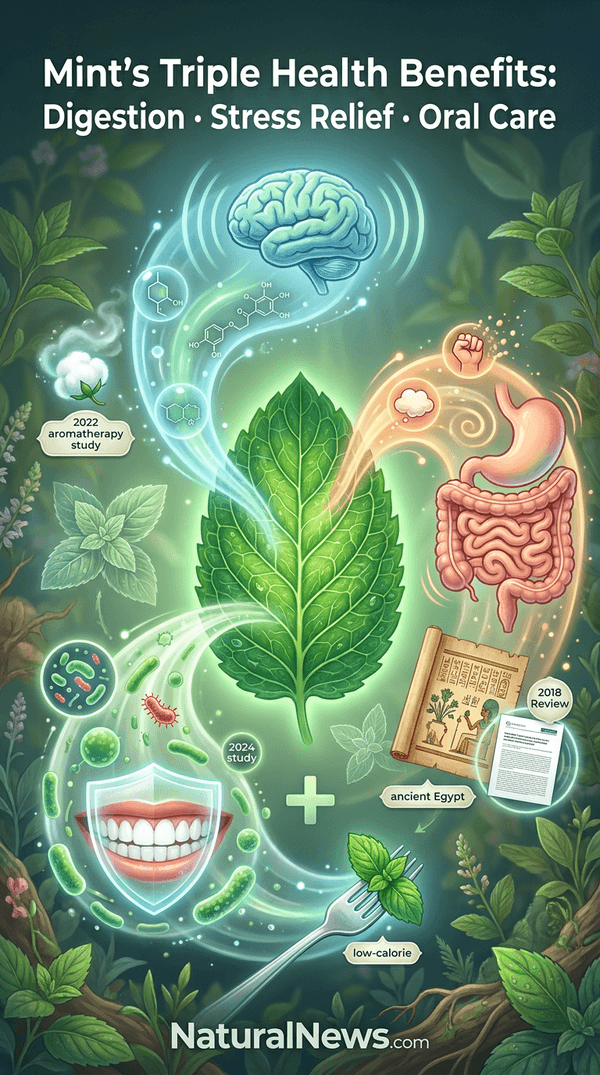
A 2018 review by researchers at the University of Western Ontario found that peppermint oil was consistently more effective than placebo at relieving symptoms of irritable bowel syndrome (IBS), according to multiple placebo-controlled trials and five meta-analyses. The review indicated that for every three people who took peppermint oil, one experienced improvement not seen with placebo alone.
Bharat B. Aggarwal, author of "Healing Spices," wrote that peppermint can help ease IBS symptoms, a digestive problem that affects an estimated one in seven Americans [2]. Menthol, the cooling compound in mint, may help relax gut muscles and dampen inflammatory compounds in cells, potentially soothing cramps, abdominal pain, and bloating.
Ludlam-Raine noted that most digestive research has used concentrated peppermint oil, but many people report feeling more comfortable after consuming mint in tea or food. The Gale Encyclopedia of Alternative Medicine states that peppermint has been used as a remedy for indigestion since ancient Egyptian times [3].
Potential effects on stress and alertness
Menthol is a type of terpene that may have a calming effect on the nervous system and help relax muscles, according to research cited in the Daily Mail. A 2022 study by Iranian researchers examined whether peppermint oil could reduce anxiety in heart patients at a hospital emergency unit. Patients exposed to a cotton ball soaked in peppermint oil for one hour showed a significant reduction in anxiety levels compared to a control group exposed to water, the study stated.
Other studies have suggested that peppermint oil may improve mental alertness, reduce fatigue while driving, support sleep, and positively affect mood, according to the article. Spearmint has also been studied for cognitive benefits; research published in 2020 confirmed that spearmint can improve brain function [4]. Officials noted that while these findings are not a replacement for medical treatment, they indicate mint's potential benefits beyond digestion.
Oral health and antimicrobial properties
Mint has become synonymous with oral freshness due to its repeated use in toothpaste, chewing gum, and breath fresheners [5]. A 2024 study of the oral microbiome found that a blend called SuperMint -- containing peppermint, Japanese mint, bergamot mint, and spearmint essential oils -- helped reduce bacteria linked to bad breath and gum disease while supporting beneficial bacteria, according to the Daily Mail.
Chewing fresh mint leaves may also help combat bad breath by stimulating saliva production and exposing the mouth to natural antimicrobial compounds. Unlike sugary mints or gum, raw mint contains no added sugar, which could avoid feeding bacteria responsible for odors and tooth decay, the report stated. Ludlam-Raine said fresh mint is not a replacement for good oral hygiene but can be a useful natural way to freshen the mouth between brushing.
Precautions and who should avoid mint
Mint is generally safe for most people, but concentrated forms such as peppermint oil capsules may pose risks for some individuals, according to the Daily Mail. People with gastroesophageal reflux disease (GERD) or a hiatal hernia may experience worsened symptoms because peppermint can relax the valve between the stomach and esophagus, allowing acid to travel upward, the report stated.
Concentrated peppermint products may affect bile flow, so those with gallstones or gallbladder problems should consult a doctor, officials said. Ludlam-Raine cautioned that peppermint oil capsules can interact with certain medications and are not suitable for everyone. Anyone with an allergy to mint should avoid it entirely.
References
- NaturalNews.com. "Mint: The ancient herb with modern superpowers". Ava Grace. March 6, 2025.
- Bharat B. Aggarwal. "Healing Spices".
- The Gale encyclopedia of alternative medicine.
- NaturalNews.com. "Spearmint confirmed to improve cognitive health: Study". March 2, 2020.
- NaturalNews.com. "Mint - sources health benefits nutrients uses and constituents at NaturalPediacom". July 5, 2017.
- NaturalNews.com. "Peppermint: A cooling powerhouse of wellness". Ava Grace. March 3, 2025.
Explainer Infographic













Please contact us for more information.