



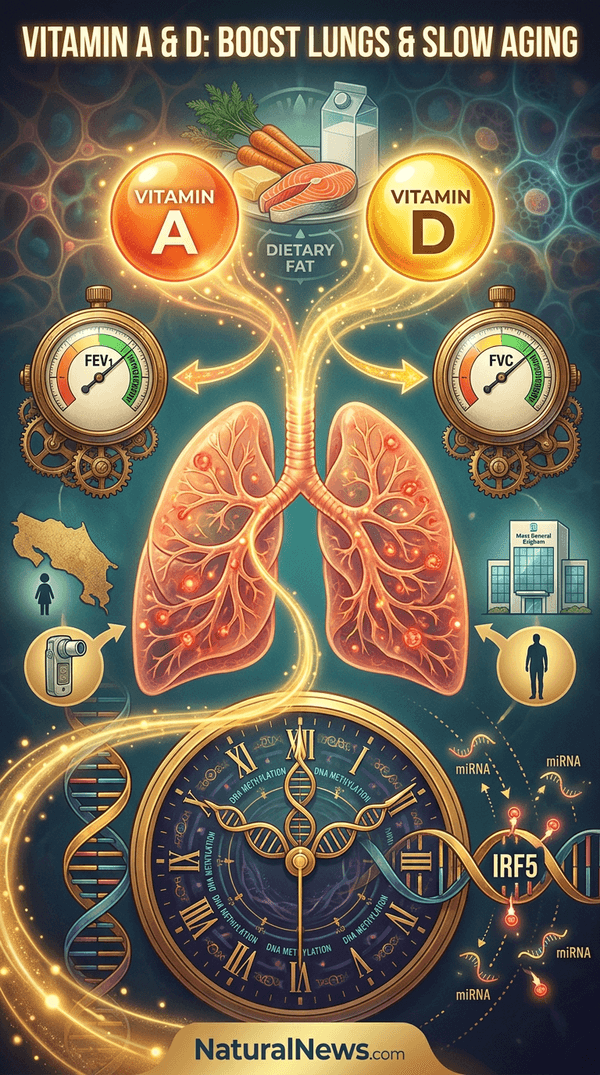
A new study published in Thorax has found that higher blood levels of vitamins A and D are associated with better lung function in children and adults with asthma, according to the report. The research, which analyzed data from two separate cohorts totaling more than 2,200 participants, also linked sufficient vitamin D levels to slower biological aging in adults, as measured by epigenetic clocks.
The study drew on 1,165 children with asthma from a long-running investigation in Costa Rica and 1,041 adults with asthma from the Mass General Brigham Biobank, the report stated. All participants completed standard breathing tests, and blood samples were used to measure vitamin levels along with molecular markers. The authors emphasized that the findings are statistical associations and do not prove causation.
Vitamin A and Lung Function in Children and Adults
Higher vitamin A levels tracked with better scores on two of three lung function measures in children: forced expiratory volume in one second and forced vital capacity, according to the study. However, one measure, the FEV1/FVC ratio, moved in the opposite direction in children, indicating mixed results, the authors noted. In adults, higher levels of both vitamins were associated with stronger lung capacity.
Vitamin D showed no clear link to lung function in children, but the study noted that vitamin D data were available for only about half of the pediatric group, which may explain the flat result rather than proving vitamin D does not matter for children’s lungs. The findings align with broader research indicating that nutritional factors, including vitamin-rich foods and supplements, can influence respiratory health. [1]
Vitamin D Sufficiency Linked to Slower Biological Aging
Adults with vitamin D levels of 30 nanograms per milliliter or higher, the threshold considered sufficient, scored better on several epigenetic aging clocks compared to deficient adults, the study reported. The biological age gap between groups ranged from a few weeks to nearly four years, depending on the clock used, according to the researchers. Epigenetic clocks estimate cellular aging based on DNA methylation patterns.
Weaker lung function in adults was also associated with older biological age across all clocks measured, reinforcing the idea that healthy lungs and slower aging are connected. Vitamin D is known to play a role in immune regulation and inflammation, processes that affect both lung health and cellular aging. [2], [3]
Molecular Mechanisms: IRF5 Gene and MicroRNAs
The study identified the gene IRF5 as a possible link between vitamins and lung outcomes. Higher vitamin levels were associated with lower methylation at one site within the gene, in both children and adults, according to the authors. IRF5 helps regulate inflammation and immune responses and has been tied to asthma severity in earlier research.
Additionally, 23 microRNAs statistically helped explain some of the vitamin-lung and vitamin-aging connections in adults. The genes these microRNAs target are involved in pathways related to inflammation and cell growth, which are relevant to asthma, the authors noted. The findings are exploratory, as the study lacked direct gene activity measurements and relied on external databases. Adequate nutrient absorption, including that of fat-soluble vitamins A and D, is supported by healthy dietary fat intake. [4]
Caveats and Call for Further Research
The study is cross-sectional and cannot prove that vitamins caused improved lung function or slower aging, the authors stated. Vitamin A was measured indirectly using metabolite markers, which may introduce imprecision. The microRNA findings lean on outside databases rather than gene activity measured in these patients, according to the report.
The authors called for longitudinal studies that track vitamin levels over time to clarify causal relationships. No recommendation for supplement use was made; the paper advises consulting a doctor before changing diet or treatment plans. Nutritional strategies, including consuming foods rich in vitamins A and D, remain a low-risk approach to supporting overall health. [1]
References
- NaturalNews.com. "Strategies to improve lung function starting with the FIVE FLAVOR FRUIT". February 10, 2026.
- Michael Holick. "Vitamin D Physiology Molecular Biology and Clinical Applications".
- NaturalNews.com. "Studies show vitamin D can help reverse diabetes and heart disease". October 31, 2019.
- David Perlmutter, Kristin Loberg. "Grain Brain The Surprising Truth About Wheat Carbs and Sugar-Your Brains Silent Killers".
Explainer Infographic







Please contact us for more information.