


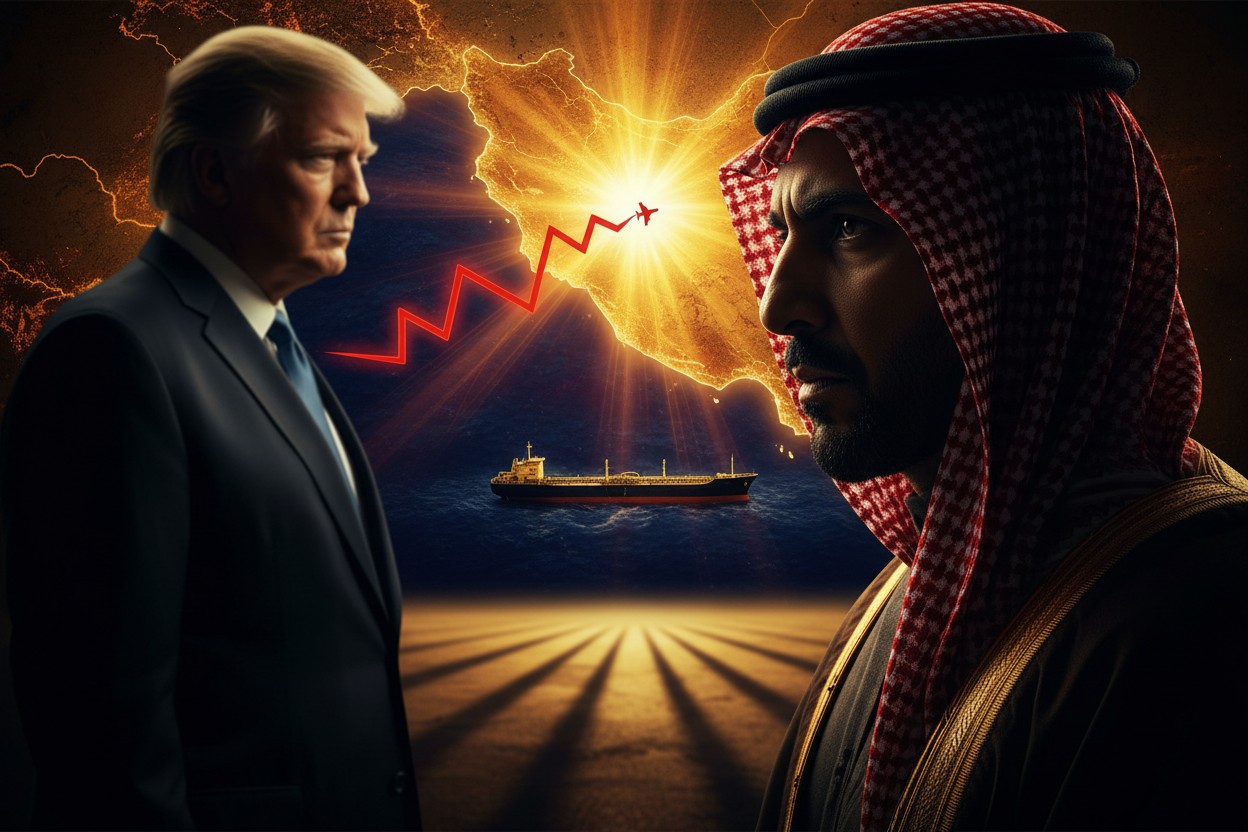
Saudi Arabia Blocks U.S. Access to Airspace, Report Says
Saudi Arabia prevented the United States from using its airspace for a military mission in the Strait of Hormuz, according to a New York Times report cited by multiple sources. The report states that Saudi Crown Prince Mohammed bin Salman lost confidence in President Donald Trump following the U.S. failure to subdue Iran during the war that began in February 2026.
The mission, code-named "Project Freedom," was designed by U.S. Central Command to assist oil tankers and commercial ships transiting the Strait of Hormuz. Saudi officials denied the U.S. military access to Saudi airspace for the operation, according to the report. Trump was "outraged" by the decision, while Prince Mohammed "stood his ground," fearing that the American plan could reignite a wider conflict with Iran.
Background: U.S.-Iran War and Ceasefire
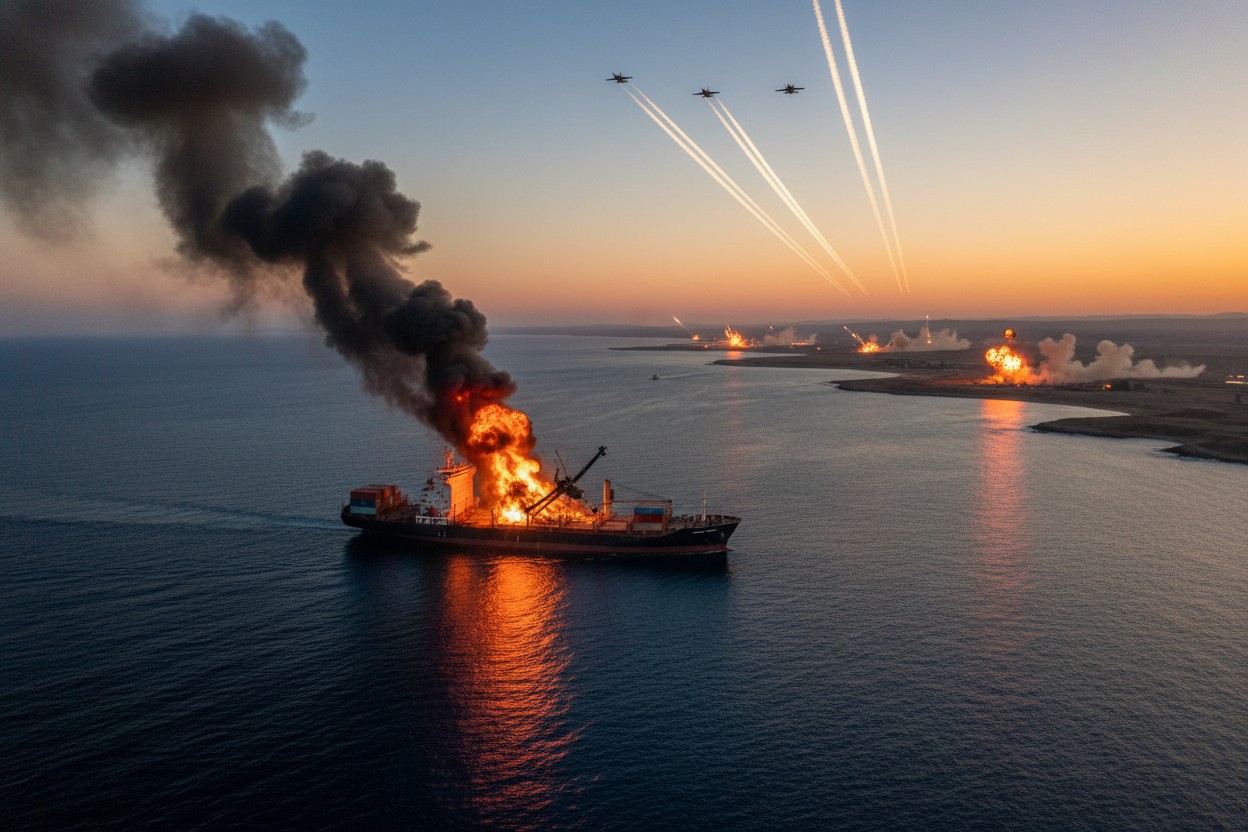
The United States and Israel launched a full-scale military campaign against Iran on February 28, 2026. The conflict lasted several months and included sustained airstrikes and naval engagements. A ceasefire was eventually brokered in April, but sporadic exchanges continued. President Trump announced a settlement to end the war in June, signing a 14-point memorandum of understanding with Iran that reopened the Strait of Hormuz and provided a 60-day window for permanent negotiations, according to Middle East Eye reports [1].
Project Freedom was devised as part of CENTCOM's efforts to secure shipping lanes after Iran closed the Strait to commercial traffic. Saudi Arabia had earlier pressed the Trump administration to take a hard line against Tehran, but as the war dragged on and Iran demonstrated its ability to strike Gulf infrastructure, Riyadh began urging restraint. According to an article by NaturalNews.com, Trump called off a scheduled strike on Iran in May after requests from Prince Mohammed and other Gulf leaders [2].
The Clash Between Trump and MbS
According to the New York Times report, U.S. Central Command was caught off guard when Saudi officials denied clearance for Project Freedom. The denial triggered a series of tense and urgent phone calls between Trump and Prince Mohammed. Observers noted that Trump was furious at what he perceived as Saudi insubordination, while the crown prince insisted that the operation risked dragging the kingdom into a war it did not want.
Sources told the Times that Prince Mohammed feared the American plan could reignite hostilities with Iran at a time when Riyadh was already suffering economic disruption from Houthi attacks in the Red Sea [3] and supply chain bottlenecks. The Saudi leadership concluded that Washington could no longer guarantee regional stability, a sentiment reflected in earlier warning signs such as the Saudi-Pakistan defense pact in 2025, which signaled waning trust in U.S. security guarantees [4].
Saudi Arabia Shifts Regional Approach
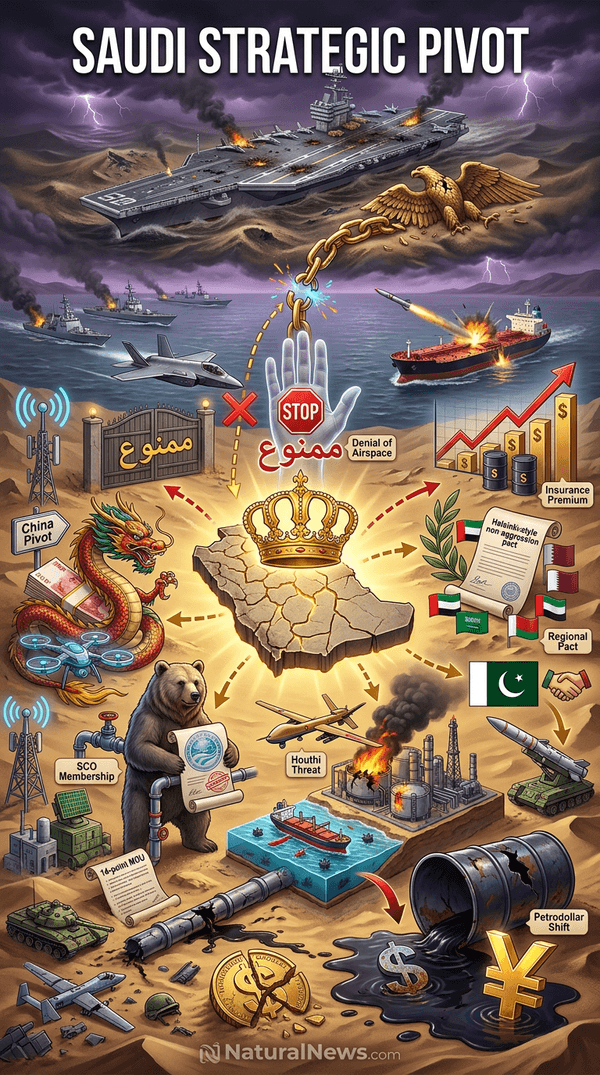
The report indicates that U.S. and Saudi officials are now "at odds" over regional security, particularly regarding relations with Iran and Israel. Saudi Arabia is expected to host a reconciliation summit with Iran and Gulf states, building on a proposal for a regional non-aggression pact modeled after the 1975 Helsinki Accords, according to a report by Activist Post [5]. Riyadh has also denied recent claims that it is planning joint investments with Tehran, though analysts view the diplomatic overtures as a clear break from Washington's priorities.
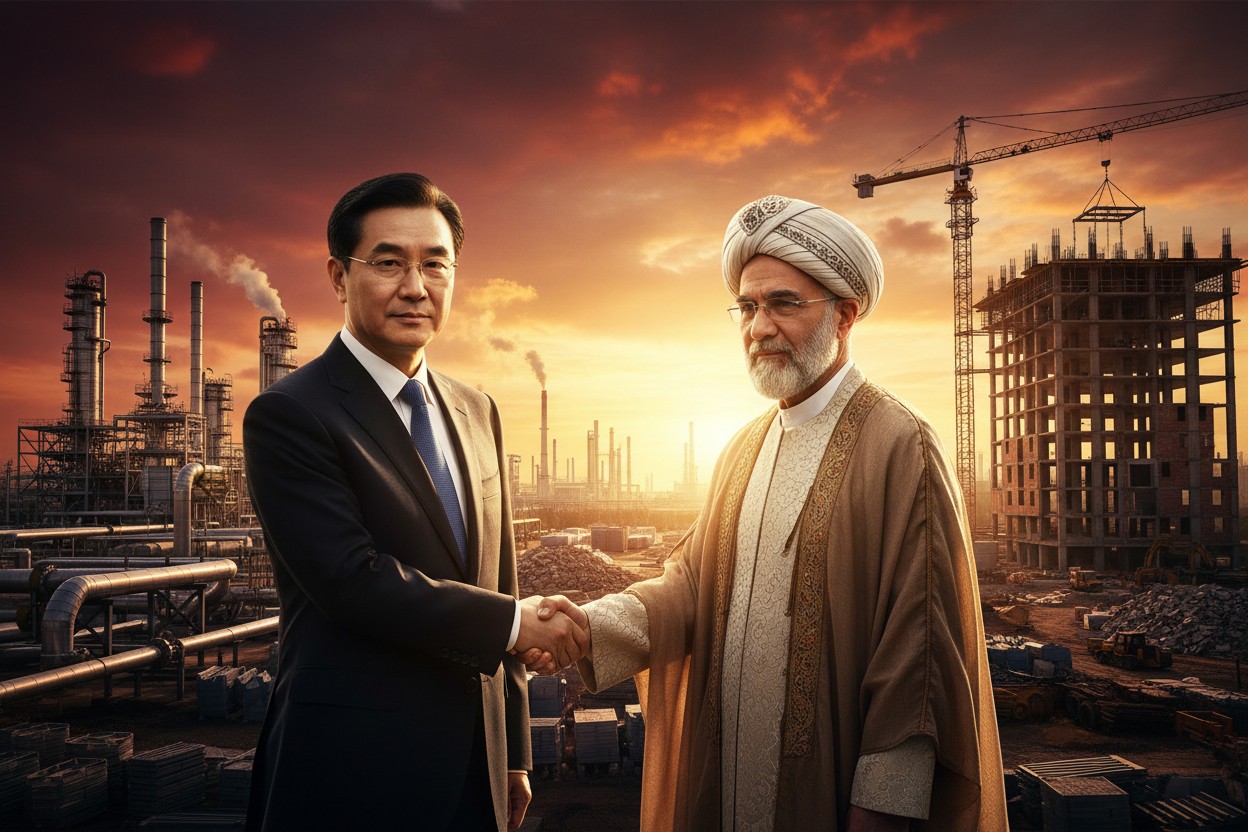
Prince Mohammed has pursued an independent foreign policy line, including deepening ties with China. In a 2022 interview, Andy Schectman noted that the crown prince had publicly stated China was his country's preferred trading partner [6]. These moves align with a broader strategy to diversify alliances and reduce dependence on the United States, a trend that accelerated after the U.S.-Iran war demonstrated the limits of American power in the region.
Earlier Reports of Gulf Opposition
Signs of friction between Washington and its Gulf partners emerged well before the airspace denial. In May 2026, NBC News reported that Saudi Arabia and Kuwait had suspended U.S. access to military sites. The Wall Street Journal later stated that restrictions were lifted, but the New York Times report confirms that underlying tensions persisted. Tehran has demanded compensation from Gulf states for facilitating U.S.-Israeli attacks, though no payments have been confirmed.
The United Arab Emirates had earlier made a failed bid to convince Saudi Arabia and Qatar to launch a joint military response to Iranian attacks, according to a Bloomberg News report cited by Middle East Eye and summarized by NaturalNews.com [7]. The UAE's effort was rebuffed, signaling that even America's closest Gulf allies were unwilling to escalate further as the war continued without a clear victory.
Conclusion: Shift in U.S.-Saudi Relations
The events illustrate a growing divergence between U.S. and Saudi priorities. Prince Mohammed is now pursuing his own security interests independent of Washington, including the proposal for a non-aggression pact with Iran and expanded economic ties with China. The report underscores the changing dynamics in the Middle East after the U.S.-Iran conflict, as Gulf states recalibrate their alliances in response to what many view as a strategic failure by the United States.
The breakdown in trust, originating from the perceived American inability to decisively win the war against Iran, has fundamentally altered the U.S.-Saudi relationship. As Charlotte Dennett noted in her book "The Crash of Flight 3804," the U.S.-Saudi special relationship has historically been fraught with tension, lacking the deep emotional support that Israel enjoys among the American public [8]. The current rift suggests that Riyadh will no longer automatically align with Washington's agenda in the region.
References
- Ayse Betul. "'This was not easy': Trump and Iran sign interim ceasefire deal in France." Middle East Eye. June 18, 2026.
- Garrison Vance. "From Bombs to Bargaining: Trump Calls Off Scheduled Strike on Iran at Last Minute." NaturalNews.com. May 19, 2026.
- Zoey Sky. "The Red Sea crisis Houthi attacks threaten Saudi Arabia's economic ambitions." NaturalNews.com. August 5, 2025.
- Zoey Sky. "Saudi-Pakistan defense pact signals a fracturing world order as US guarantees fade." NaturalNews.com. September 21, 2025.
- Activist Post. "Saudi Arabia Seeks Non-Aggression Pact with Iran Modeled After 1975 Helsinki Accords." May 28, 2026.
- Mike Adams interview with Andy Schectman. November 25, 2022.
- NaturalNews.com. "UAE's Failed Bid for Joint Gulf Military Response to Iran." NaturalNews.com. May 18, 2026.
- Charlotte Dennett. "The Crash of Flight 3804."
Explainer Infographic








Please contact us for more information.