


The lithium-ion battery has been the only path forward. The fires, the mining horrors, and the supply chain choke holds are simply the price of progress, we're told. But a new study from German researchers examining 120 commercially produced sodium-ion cells from Chinese battery company HiNa reveals a different story. These cells charge in 15 minutes, deliver manufacturing consistency that rivals mature lithium-ion technology, and perform in freezing temperatures that cripple current electric vehicle batteries. The era of sodium and lithium shining together, as CATL’s chief technology officer Gao Huan put it, has arrived, and the implications for the electric vehicle market, grid storage, and global geopolitics are profound. This is not a future concept. This is a direct challenge to the lithium stranglehold, and the evidence is now public.
Key points:
- German researchers tested 120 commercial sodium-ion cells from HiNa, finding only 5.3% variation in internal resistance.
- Cells retained full capacity under charging rates fast enough to refill in about 15 minutes.
- At minus 4 degrees Fahrenheit, cells delivered more than 80% of usable energy when charged at room temperature.
- Sodium is abundant, low cost, and available globally, bypassing lithium mining and geopolitical tensions.
- CATL plans mass production of sodium-ion cells by late 2026.
- Sodium-ion batteries eliminate catastrophic fire risk inherent in lithium-ion chemistry.
The science behind the shift: Why sodium-ion matters now
For years, the battery industry has treated sodium-ion as a distant second cousin to lithium-ion, a chemistry with theoretical promise but practical limitations. The new study from RWTH Aachen University, published in Cell Reports Physical Science, flips that narrative on its head. The researchers used impedance spectroscopy, temperature testing, X-rays, and teardown analysis to evaluate the cells. The results showed that sodium-ion cells can match or exceed lithium-ion in key performance categories.
The 5.3% variation in internal resistance across 120 cells signals that HiNa has mastered production consistency. For battery pack manufacturers, that uniformity translates into reliability. When cells behave predictably, packs perform better, last longer, and operate more safely. The 15 minute full recharge capability places sodium-ion directly in competition with fast charging standards that lithium-ion has struggled to meet without thermal runaway risks.
Cold weather performance has always been a weak spot for batteries, particularly in regions where winter temperatures drop well below freezing. The study’s finding that cells charged at room temperature delivered more than 80% of usable energy at minus 4 degrees Fahrenheit removes a major obstacle to widespread adoption. Electric vehicle owners in cold climates have endured range anxiety and reduced performance. Sodium-ion technology offers a practical solution.
The geopolitical and safety dimensions the mainstream ignores
The conversation around battery technology has been carefully managed. Lithium-ion batteries power everything from phones to cars to grid storage systems, but the supply chain is concentrated in China, which controls over 60% of global lithium processing. That concentration creates vulnerability. It also ties the world to mining practices that devastate landscapes and communities in South America and Australia.
Sodium is different. It comes from salt, a resource found in every nation on Earth. The shift to sodium-ion technology bypasses the need for exploitative mining, reduces environmental degradation, and breaks the dependency on Chinese lithium processing. The safety advantage is equally significant. Sodium-ion chemistry is inherently stable. It does not suffer from the thermal runaway that causes lithium-ion batteries to ignite and burn with such ferocity that they are nearly impossible to extinguish. The elimination of fire risk alone makes sodium-ion a superior choice for grid storage and residential energy systems, where a battery failure can lead to catastrophic property loss.
CATL’s announcement that it will mass produce sodium-ion cells toward the end of 2026 validates the trajectory. The world’s largest battery maker does not commit to a new chemistry lightly. Their chief technology officer’s statement that the era of sodium and lithium shining together has arrived is not marketing hype. It reflects internal data that confirms commercial viability.
What this means for the electric vehicle market
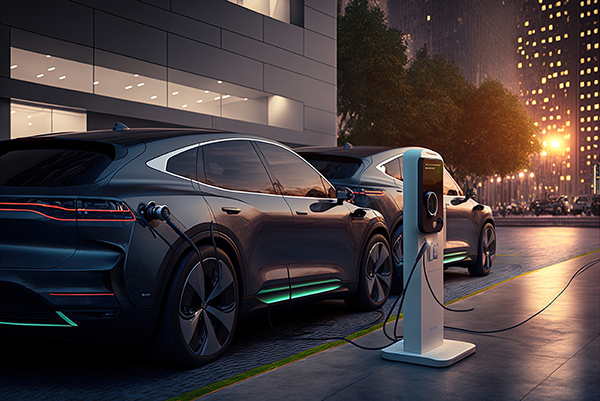
The study’s comparison to Tesla batteries is deliberate and revealing. Tesla has set the benchmark for lithium-ion performance in the electric vehicle market. The researchers found that sodium-ion cells are beginning to approach that standard. Using International Energy Agency figures cited in coverage of the study, a sodium-ion SUV could deliver about 215 miles of range. Comparable lithium-ion models reach 250 to 370 miles.
That gap matters for long distance travel, but it does not define the entire market. Daily commuting, urban transport, fleet operations, and local delivery routes do not require maximum range. They require fast charging, affordable cost, and reliable performance. Sodium-ion delivers all three. The material cost advantage alone could lower the price of entry level electric vehicles significantly, making them accessible to a broader population.
The research also highlights that sodium-ion cells can serve stationary storage applications effectively. Utilities and businesses can use them to store solar power, support the grid, and provide backup power during outages or severe weather. The combination of fast charging, low cost, and inherent safety makes sodium-ion a compelling option for energy storage systems that must operate reliably for decades.
Sources include:






Please contact us for more information.