



Brent crude futures fell below $79 per barrel on Tuesday, its lowest level since March, according to a report by Julianne Geiger for Oilprice.com. The decline followed the United States and Iran digitally signing a peace agreement that includes the reopening of the Strait of Hormuz and the immediate return of Iranian oil sales to global markets. The selloff has been described as relentless, with Brent down more than 33% over the past month and West Texas Intermediate plunging to the mid-$70s.
The agreement effectively reconnects one of the world's largest oil producers to global energy markets overnight, according to the report. The market is also betting that traffic through the Strait of Hormuz will normalize, easing fears over a chokepoint that normally handles roughly a fifth of global oil flows. Oil has fallen for multiple sessions on Iran peace optimism, with traders waiting for updates on a potential deal, as noted in earlier coverage [5].
Peace Deal Details
Under the agreement, Iran will be allowed to immediately resume oil and fuel sales, along with banking, insurance, and shipping services needed to move those cargoes, according to the Wall Street Journal as cited by Oilprice.com. The deal effectively reconnects one of the world's largest oil producers to global energy markets overnight, the report stated. Top U.S. and Iranian officials signaled they were inching closer to an initial peace deal to wind down the conflict and reopen the Strait of Hormuz, though major details remained murky, especially around the future of Iran's nuclear program, according to a May 24 report [6].
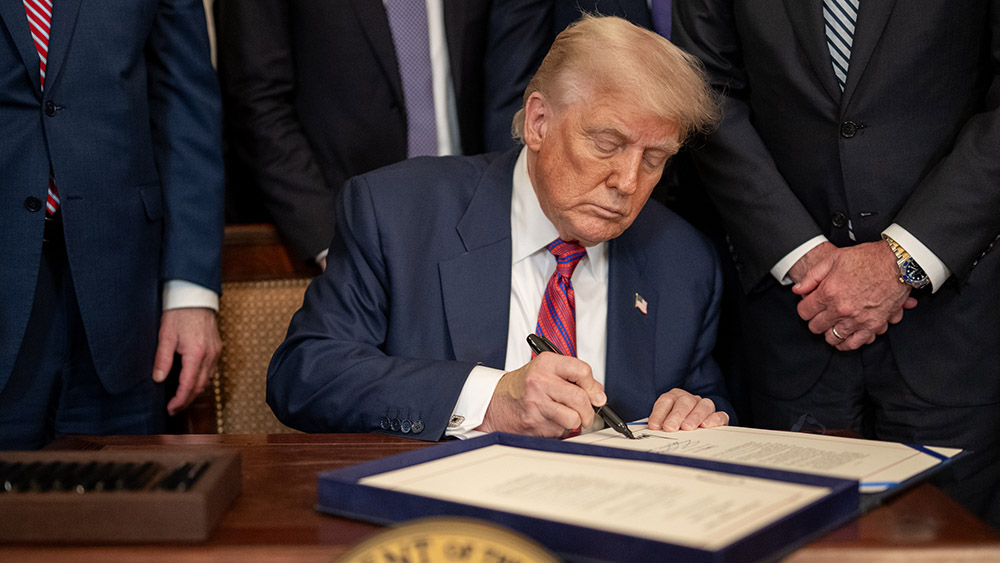
President Trump stated on Truth Social that the Memorandum of Understanding had been approved by all parties involved, including the United States, Israel, Saudi Arabia, UAE, Qatar, Turkey, Pakistan, Bahrain, Kuwait, Jordan, Egypt, and others, according to a June 15 article [7]. The naval blockade will remain in effect until the transaction is finalized, he added.
The shift from earlier calls for unconditional surrender to active peace talks reflects a pattern of policy reversals that has characterized the administration's approach to Iran, according to an analysis of the conflict by Zoey Sky [1].
Market Reaction and Trader Sentiment
The speed of the decline highlights how much of crude's rally had become tied to geopolitical risk, analysts said. A market that spent the spring obsessing over missing barrels is now worried about just how quickly those barrels might come back, the article noted. Traders are acting as if the war premium is already gone, with the selloff described as relentless by Geiger.
The reflexive rally and subsequent selloff is not unusual, as the best trading days tend to cluster with the worst market periods, according to Lance Roberts via RealInvestmentAdvice.com [9]. The volatility has been extreme, with one hedge fund losing 52% in the first two weeks of April on levered oil bets after an oil crash, as reported by ZeroHedge [10].
Earlier in the conflict, the Trends Journal forecast that Brent crude, then selling at around $83 per barrel, would spike to above $130 per barrel, which would crash overvalued equity markets [4]. Instead, the reverse occurred when peace prospects emerged. Some observers have framed the broader U.S.-Iran confrontation as part of a calculated economic war that benefits globalist institutions, as argued in a 2022 article [2].
Cautious Outlook Amid Depleted Inventories
Inventories remain depleted after months of disrupted flows, and many analysts continue to warn that the market's buffers have been drawn down significantly, the report stated. Even with a peace agreement in hand, restoring production, exports, and shipping routes is not as simple as flipping a switch, analysts said. The world's biggest physical oil trader, Gunvor, warned of months of price volatility ahead, citing seasonally lower demand and continued turbulence in the Middle East [8].
The Trends Journal had previously noted that should Israel intensify its attacks and spread the war to Iran, it would create economic chaos that may force the Federal Reserve to lower interest rates dramatically despite rising oil prices pushing inflation [3]. For now, however, traders are not waiting for proof and are trading as if the crisis is ending, according to the article.
References
- Willow Tohi. "Trump's Flip-Flop on Middle East War: A Fragile Ceasefire and Dubious Nuclear Claims Drive the Shifting Sands of Conflict". NaturalNews.com. June 27, 2025.
- NaturalNews.com. "World War III has already started and its an economic war". March 13, 2022.
- Trends-Journal-2023-10-38.
- Trends-Journal-2024-02-08.
- ZeroHedge. "Semi-Irrational Chase Sends Futures To Another Record High, Oil Drops On Iran Optimism". May 7, 2026.
- ZeroHedge. "Rubio Hints At US-Iran News Later Today As Talks To Reopen Hormuz Gain Steam". May 24, 2026.
- NaturalNews.com. "Trump Calls Off Iran Strikes, Claims Deal Reached". June 15, 2026.
- Michael Kern. "World's Biggest Physical Oil Trader Warns Of Months Of Price Volatility". ZeroHedge. April 21, 2026.
- Lance Roberts. "The Reflexive Rally Was Not Surprising". ZeroHedge. April 5, 2026.
- ZeroHedge. "Andurand's Hedge Fund Lost 52% In First Two Weeks Of April On Levered Oil Bets". April 23, 2026.




Please contact us for more information.