


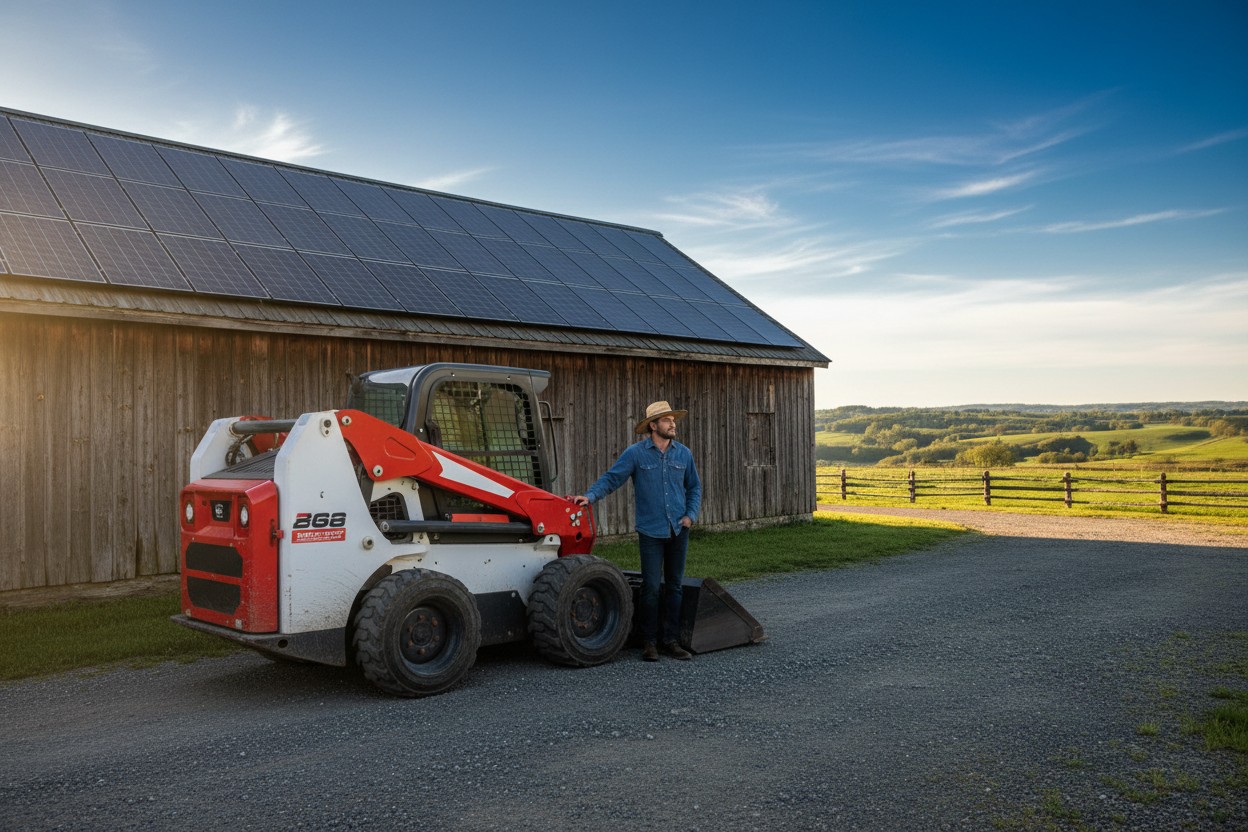
From Diesel to Decentralized
I believe the path to genuine energy independence runs straight through all-electric equipment like First Green's electric skid steers. Diesel machines are powerful but a constant pain -- maintenance, noise, DEF fluid, and grid dependency are relentless headaches. (I own a lot of diesel equipment, so I know all about the maintenance and DEF headaches.)
Now that battery technology is finally maturing, electric machinery offers a cleaner, quieter, and far more resilient alternative that fits perfectly with an off-grid, decentralized lifestyle.
Here's why this matters: the globalist drive to centralize energy is a trap. Scarcity is artificially engineered to keep us dependent on fragile systems. As I have documented extensively, the same forces that push electronic surveillance and digital IDs also want you chained to diesel pumps and utility bills. Switching to solar-charged electric equipment breaks that chain. You can charge a skid steer from panels on your barn roof, cutting ties to volatile fuel markets and the increasingly unreliable power grid. [1]
Why Electric Makes Sense on the Farm and Ranch
Instant torque and smooth operation eliminate the lag and jerkiness of diesel engines and gear shifts, making loader work far more precise and efficient. But the real game-changer is maintenance. Electric motors have 98% fewer moving parts than diesel engines -- no oil changes, no fuel filters, no DEF fluid, no injector replacements. That means more uptime and drastically lower operating costs. [2]
The ability to charge from solar panels means you can literally power your equipment with sunshine. During the 2020 lockdowns, when fuel supply chains wobbled, those with solar-charged equipment kept working. With solar on your roof, you produce your own fuel. That's the essence of self-reliance.
Batteries: The New Strategic Resource
Skeptics worry we're trading oil dependency for lithium dependency. But battery chemistries are diversifying rapidly. Sodium-ion batteries are now being commercialized, with researchers at UC San Diego using supercomputers to design cathode materials that store more energy and last longer.
First Green's modular design allows hot-swapping of batteries and future upgrades, so your equipment isn't obsolete when the next breakthrough arrives. I actually see batteries becoming a form of currency -- stored energy you can use, trade, or sell. That's real power, beyond the reach of central banks and utility monopolies. Even climate change alarmists are increasingly abandoning their narrative and funding AI and data center power sources that rely on fossil fuels, proving that reliable energy is critical if you want society to function.
Teleoperation and the Human Touch
First Green equipment allows for remote control of some operations, by the way. Remote control is ideal for repetitive or dangerous tasks -- clearing debris near a collapsing structure or grading a slope that's too steep for a manned cab. Keeping the operator out of harm's way is a genuine safety advance. But I'm not sold on teleoperation for fine work like grading a road. You need the seat-of-the-pants feel that only local operation provides -- the vibration through the joysticks, the subtle shift in traction and weight shifts of the machine.
The best approach is choice. Use the remote when it makes sense, jump in the cab when you need precision. That's the definition of the right tool for the right job. Electric skid steers can be heavier than diesel models, by the way (16,000 pounds vs. under 10,000), which can complicate transport. Teleoperation can't fix that -- but knowing the limits of your equipment is part of being a responsible operator.
Practicality and Return on Investment
First Green's skid steers range from $45,000 to $150,000 -- competitive with diesel models. But the return on investment comes faster from fuel and maintenance savings. Grants in states like California can cover up to 80% of the cost, making electric accessible for small businesses and homesteads.
With a five-to-seven-year lifespan and modular components, these machines are built to last, not to be thrown away. Unlike the planned obsolescence of consumer electronics, First Green designs for repairability. That resonates with my own philosophy of building things that last. When you own your equipment, you own your productivity. The free market's efficiency eliminates waste, and electric skid steers are the natural outcome of that efficiency. [3]
Conclusion: Power From the Sun While Bypassing Wars and Refineries
Switching to electric equipment isn't about being anti-diesel -- it's about being pro-resilience and local sustainability. Energy industry interests want you dependent on their grid, their fuel, their money. I want you dependent on sunshine, batteries, and your own skills. As battery technology advances, all-electric machines will only get better, cheaper, and more capable. The future of reliable energy is emerging now, and it's powered by photons, not petroleum.
If you're serious about self-reliance, check out First Green. I'll be bringing you more articles, interviews and demonstrations on all-electric vehicles for your homestead, ranch, hobby farm and even commercial applications. So stay tuned and check BrightVideos.com or Decentralize.TV for more videos.
References
- China’s Honghu T70 Fully Autonomous Electric Tractor Attracts Online Attention. NaturalNews.com. May 30, 2026.
- Sustainable Landscape Construction. J. William Thompson & Kim Sorvig.
- Interview with brianyoung. Cory Endrulat.
- Even the CLIMATE CULT leaders are abandoning their own FAKE global warming narrative and funding AI and fossil f - NaturalNews.com. S.D. Wells. October 4, 2025.
- Interview with Ed Begley Jr. start of Livi - NaturalNews.com. Mike Adams. September 7, 2009.
- Locker Nine. Franklin Horton.
- Mike Adams interview with Dr Chris Martenson - July 21 2023. Mike Adams.
- The Donut Lab Battery: A Wright Brothers Moment for Energy Independence?. NaturalNews.com. February 21, 2026.
- Brighteon Broadcast News. Mike Adams. Brighteon.com.
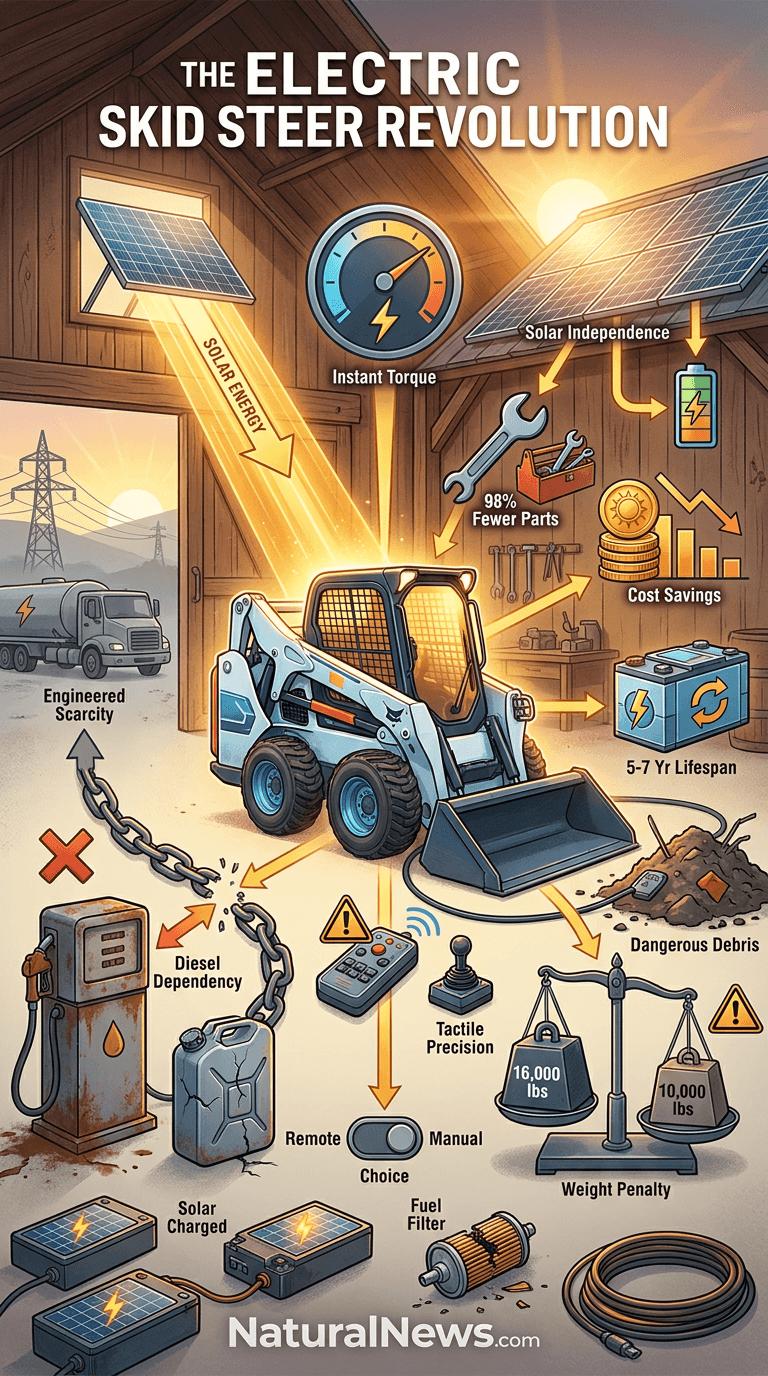
Explainer Infographic










Please contact us for more information.