


- China's ports dominate global efficiency rankings with seven of the top ten spots.
- Automation and infrastructure investments underpin China's logistical resilience.
- Western ports face vulnerabilities from labor shortages and outdated systems.
- U.S. underinvestment and regulatory hurdles exacerbate port inefficiencies.
- Geopolitical disruptions highlight China's superior shock-absorption capacity.
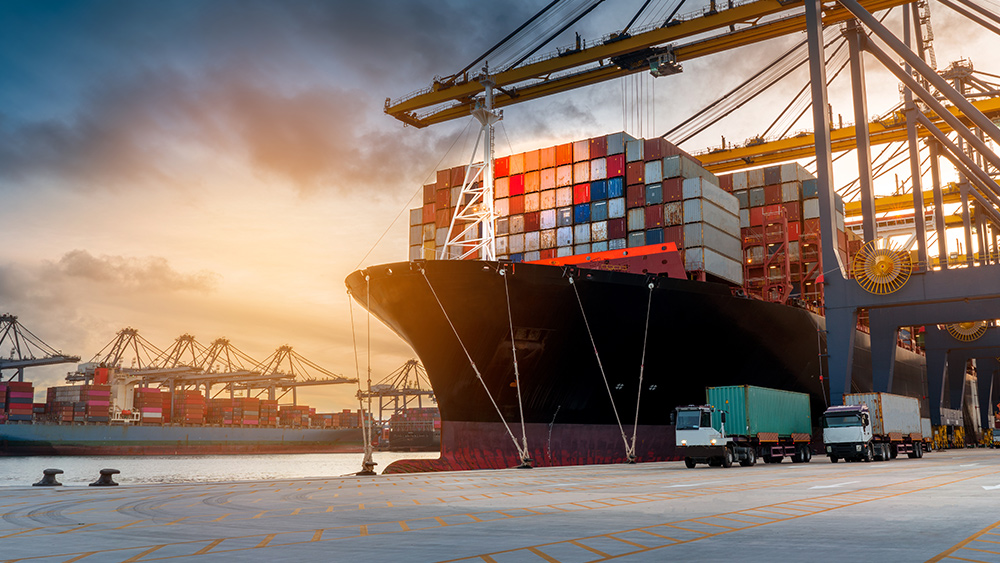
The world's supply chains are under siege. From the Red Sea crisis to the cascading effects of the U.S.-Israel-Iran conflict, global trade networks face unprecedented volatility. Yet amid this chaos, China's ports have emerged as a beacon of stability. According to the 2025 Container Port Performance Index (CPPI) by the World Bank and S&P Global, seven of the world's ten most efficient ports are in China, with Fuzhou and Dalian claiming the top two spots. This dominance is the result of strategic automation, infrastructure investment, and operational discipline that now define China's logistical advantage.
A model of efficiency in a time of crisis
The CPPI measures vessel processing speed across 400+ ports, with longer turnaround times signaling higher risk of delays. Chinese ports have maintained stability even as geopolitical shocks disrupt traditional routes. Ningbo in Zhejiang province exemplifies this resilience, leveraging automation and capacity to buffer against surges in vessel traffic. As Bertrand De la Borde of the World Bank notes, ports actively shape how disruptions propagate; they can either amplify shocks or help contain them, a critical distinction in today's fragile global economy.
Automation and infrastructure: The pillars of Chinese success
China's ports have long prioritized automation, a strategy now paying dividends as other regions struggle with "burst congestion" — sudden, intense bottlenecks from clustered vessel arrivals. Fuzhou's terminals deploy automated guided vehicles and advanced cargo tracking systems, investments that have contributed to the port's rise to the top of global efficiency rankings. Meanwhile, Dalian's second-place finish highlights the role of sustained infrastructure investment. These investments aren't just about scale; they're about discipline. Chinese ports enforce strict operational protocols that minimize downtime, ensuring ships spend less time waiting and more time moving cargo.
While China thrives, Western ports face structural vulnerabilities. North American and European facilities remain susceptible to labor shortages, hinterland bottlenecks, and sudden surges in traffic. The CPPI warns of a feedback loop where disruptions at one port ripple across global networks. The Middle East offers a cautionary tale: the region saw a deterioration in performance following Red Sea crisis disruptions, illustrating how even well-ranked ports like Oman's Salalah remain vulnerable to geopolitical shocks beyond their control. Chinese ports' robust infrastructure, in contrast, allows them to absorb shocks without cascading failures.
America is getting left behind
America's ports, once symbols of economic vitality, now lag as decades of underinvestment and fragmented governance undermine their competitiveness. The Biden administration's port investments prioritized decarbonization over operational automation, and Biden publicly sided with longshoremen's unions opposed to the kind of mechanization that has propelled Chinese ports to the top of global efficiency rankings. Meanwhile, China's state-directed investments in automation position it as the de facto leader in 21st-century logistics. As the CPPI data shows, efficiency isn't just about technology; it's about governance.
A recurring theme in the CPPI is "burst congestion" — short, intense bottlenecks triggered when delayed vessels arrive simultaneously rather than in a steady flow. This phenomenon has intensified with geopolitical instability, as rerouted ships bunch up at vulnerable ports. Chinese hubs, with their advanced automation and buffer capacity, are better equipped to handle these surges. Western ports, meanwhile, face a crisis of preparedness, with outdated systems and fragmented governance unable to adapt to modern challenges.
As the CPPI underscores, ports are now critical nodes in a hyperconnected world. Their efficiency determines not just trade flows but economic stability. China's dominance signals a shift in global power dynamics, with logistical superiority translating into geopolitical leverage. For the U.S., the message is clear: without systemic overhauls, it risks falling further behind in a world where supply chain resilience is paramount. As Turloch Mooney of S&P Global puts it, greater efficiency and resilience will be essential to preparing for future shocks — and right now, China is doing that work while America is not.
Sources for this article include:






Please contact us for more information.