


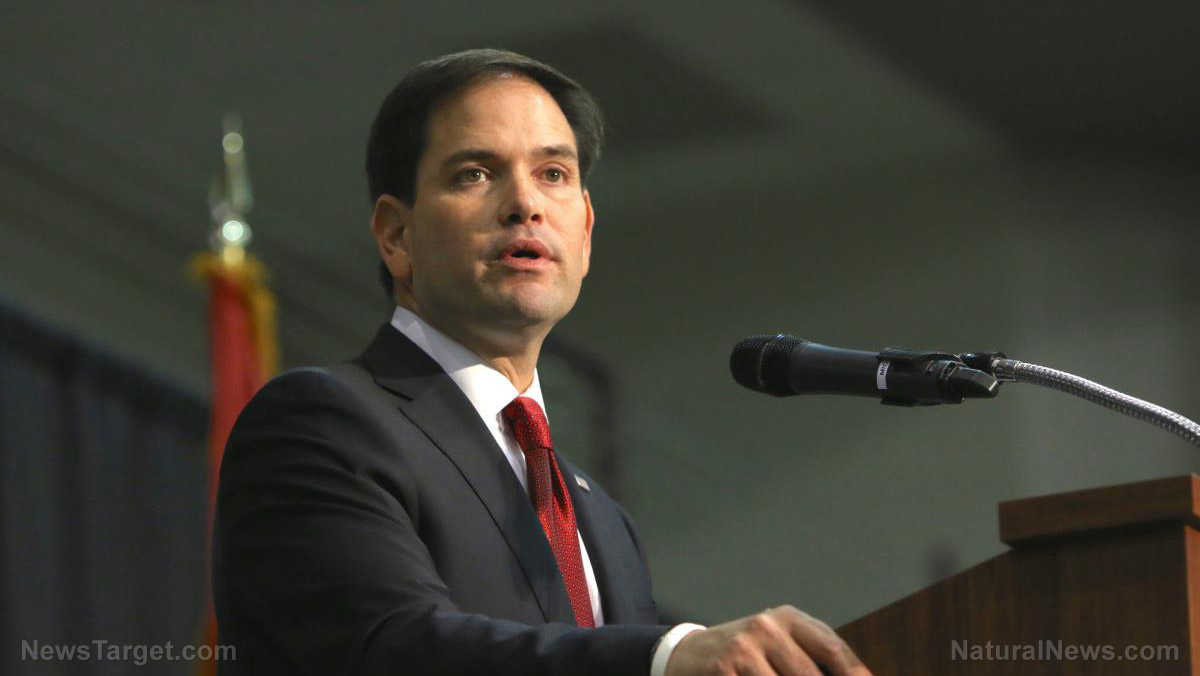
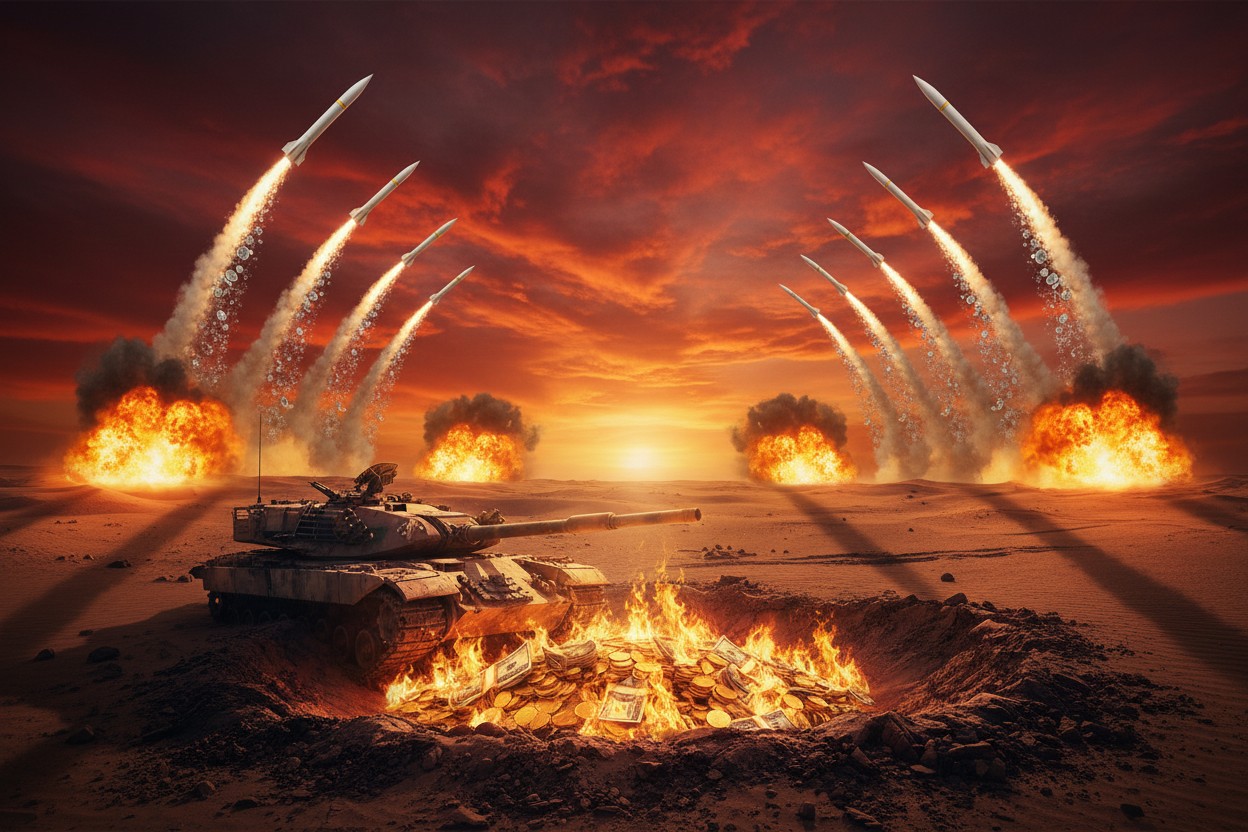
- Secretary of State Marco Rubio has accused Iran of weaponizing the Strait of Hormuz as an "economic nuclear weapon," threatening global energy supplies and international maritime norms.
- Iran has reportedly submitted a new offer to Washington proposing to reopen the strait and end the conflict, but only if nuclear negotiations are postponed to a later phase.
- Rubio rejected the Iranian proposal, warning that any deal that allows Tehran to maintain control over the critical chokepoint would set a dangerous global precedent.
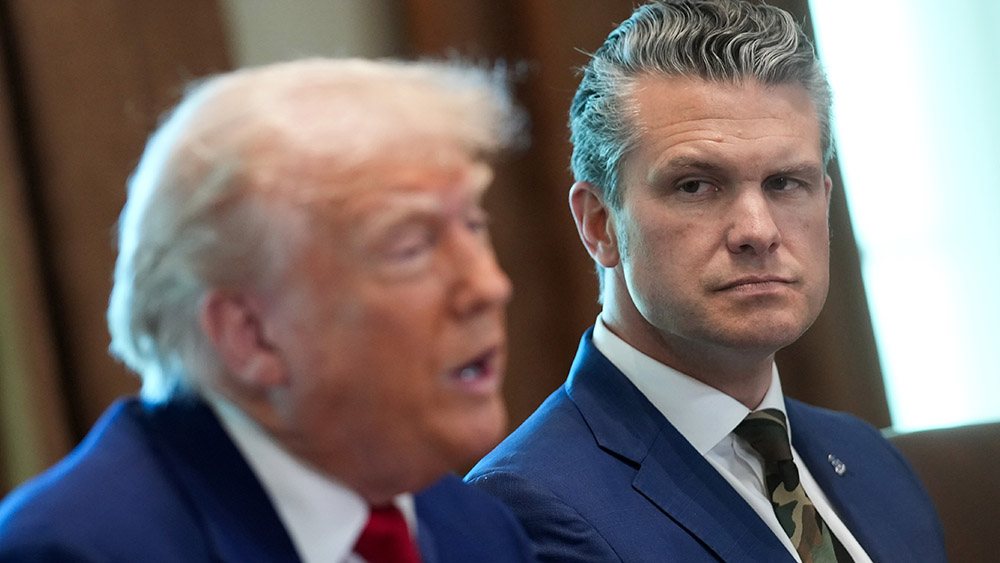
- The White House confirmed President Donald Trump reviewed Iran's offer but was not satisfied, with U.S. officials signaling deep skepticism about Tehran's negotiating tactics.
- Rubio stressed that Iran's nuclear ambitions remain the core issue, arguing that the clerical regime cannot be trusted with both nuclear weapons and the ability to hold energy markets hostage.
The 'Economic Nuclear Weapon'
WASHINGTON — U.S. Secretary of State Marco Rubio has accused Iran of transforming the Strait of Hormuz into an "economic nuclear weapon," directly linking Tehran's control over the critical maritime chokepoint to its nuclear ambitions. Speaking Monday on Fox News, Rubio argued that Iran's de facto blockade of the waterway, which carries roughly 25% of the world's oil supply, represents a fundamental threat to global stability and cannot be separated from ongoing negotiations over Tehran's nuclear program. The accusation comes as Iran has submitted a new proposal to Washington offering to reopen the strait and end the current conflict, but only if talks on its nuclear program are deferred to a later stage—a condition Rubio and the White House have categorically rejected. The confrontation marks a dangerous escalation in an already volatile geopolitical standoff, with potential consequences for energy markets, international maritime law, and the broader Middle East security order.
The Iranian Offer and White House Response
According to multiple outlets, including Axios, Iran has passed a new offer to Washington through intermediaries, including Pakistan. The proposal includes a plan to reopen the Strait of Hormuz and end the current war, but defers nuclear negotiations to a later phase of the diplomatic process.
The White House confirmed that President Donald Trump had reviewed Iran's offer. Multiple people briefed on the discussions told the New York Times that the president was not satisfied with the proposal. A U.S. official suggested that accepting the offer could appear to deny Trump a victory, given his repeated insistence that Iran's nuclear program must be dismantled.
Tehran has maintained that it does not seek to acquire nuclear weapons and has refused U.S. demands to surrender its stockpile of highly enriched uranium and dismantle its nuclear infrastructure. Rubio dismissed the idea that Iran's leadership includes any genuine moderates, stating "they're all hardliners in Iran."
"There's no doubt in my mind that at some point in the future if this radical clerical regime remains in charge in Iran, they will decide they want a nuclear weapon," Rubio said. "That fundamental issue still has to be confronted. That still remains the core issue here."
A Chokepoint Under Threat
The Strait of Hormuz has been a flashpoint in global energy security for decades. During the Iran-Iraq War in the 1980s, the "Tanker War" saw both sides attack oil shipping, drawing U.S. naval forces into the region to protect navigation rights. The U.S. Navy's Operation Earnest Will in 1987-88 marked the first time American warships escorted reflagged Kuwaiti tankers through the strait, establishing a precedent for military intervention to keep the chokepoint open.
Rubio invoked this history when he argued that the Strait of Hormuz differs fundamentally from other strategic waterways.
"This is not the Suez Canal, this is not the Panama Canal, these are international waters," Rubio said. "And if that's normalized, not only does that set a precedent in the Middle East, it sets a precedent all over the world."
The 2026 confrontation represents a more sophisticated threat than previous incidents. Iran's ability to threaten the strait through a combination of naval mines, anti-ship missiles, and drone swarms has grown significantly in recent years. U.S. defense officials have acknowledged that closing the strait—even temporarily—would have catastrophic effects on global oil prices and supply chains, potentially triggering a worldwide economic downturn.
Internal Dynamics and Negotiating Tactics
Rubio pointed to internal turmoil within Iran as a driving factor behind Tehran's diplomatic overtures. He said Iran's leadership is seeking a way out of "the mess they're in," but questioned whether the regime is serious about a genuine resolution or merely buying time.
"I think they're serious about figuring out how can they buy themselves more time," Rubio said. "They're very experienced negotiators."
The secretary of state also noted that Iran's ultimate decision-making authority rests with Supreme Leader Mojtaba Khamenei, whose "credibility is still untested" and whose "access is questionable." Khamenei has not been seen publicly nor spoken in recent weeks, raising questions about who truly controls Iran's nuclear and maritime strategy.
Rubio insisted that Iran is not merely a radical country but a revolutionary power that seeks to export its ideology across the region. He cited Tehran's ties with Hezbollah in Lebanon, Hamas in Gaza, and Shia militias in Iraq as evidence of a coordinated strategy to dominate the Middle East.
A Crisis of Credibility
The standoff over the Strait of Hormuz has entered a new and dangerous phase, with the United States and Iran locked in a confrontation that extends far beyond the immediate question of oil shipping. Rubio's characterization of Iran's strategy as an "economic nuclear weapon" underscores the administration's view that the nuclear question and the strait question are inseparable. The White House has made clear that any deal must dismantle Iran's nuclear program, not merely postpone negotiations while Tehran maintains its ability to hold global energy markets hostage.
As Rubio put it, the revelation of Iran's strategy should open "the whole world's eyes" to the threat the regime poses. "Again, they want to do with the world with a nuclear weapon what they are doing now with oil," he said. "They want to hold the world hostage so they can do whatever they want."
The next move belongs to Tehran—and the world is watching.
Sources for this article include:


Please contact us for more information.