



- Iran's nuclear negotiating team is undergoing a major shakeup as the head of the delegation steps down after attempting to discuss the nuclear issue with the U.S.
- Hardliner Saeed Jalili is expected to replace Mohammad Bagher Ghalibaf as Iran's lead nuclear negotiator.
- Jalili is a former nuclear negotiator and ultraconservative who opposes engagement with the West and advocates a doctrine of active resistance.
- Internal divisions within Iran's leadership have paralyzed diplomatic efforts and blocked a negotiating team from traveling to talks with the U.S.
- The appointment signals a hardening stance on nuclear negotiations as the U.S. and Iran remain locked in a fragile ceasefire with the Strait of Hormuz effectively closed.
The nuclear negotiating team in Tehran is facing a dramatic upheaval this week as Mohammad Bagher Ghalibaf, the head of Iran's delegation to Washington, has been forced to step down after attempting to bring the nuclear issue into talks with the United States — and hardliner Saeed Jalili is expected to take his place.
The shake-up, first reported by Iran International on April 24, comes as internal divisions within Iran's leadership have paralyzed diplomatic efforts. Sources familiar with the matter confirmed that Ghalibaf was reprimanded for trying to include nuclear discussions in negotiations with Washington, triggering backlash from Iran's political establishment.
Saeed Jalili, 60, is now the leading candidate to replace Ghalibaf. Jalili already leads what has been described as a "shadow government" and heads Iran's ultra-hardline faction known as the Stability Front, or Paydari, which is considered a "bastion of ultraconservatism in Iran."
A history of resistance
Jalili's potential appointment signals a hardening of Iran's stance on nuclear negotiations, with more emphasis on resistance over compromise. He served as Iran's top nuclear negotiator from 2007 to 2013 under President Mahmoud Ahmadinejad and has consistently opposed engagement with the West.
Ali Safavi, an official with the Iranian opposition coalition known as the National Council of Resistance of Iran, told Fox News Digital that Jalili "has evolved from a nuclear negotiator to an influential actor within the regime."
Safavi warned that "the factions all ultimately move along a common path: the preservation of power. They differ in methods, not in objectives."
Rivalry runs deep
The rivalry between Jalili and Ghalibaf spans more than a decade and intensified during the 2024 elections, when Jalili refused to step aside, contributing to the victory of President Masoud Pezeshkian.
Adding to the complexity, Foreign Minister Abbas Araghchi is also seeking a continued leading role in negotiations, highlighting competing centers of influence over Iran's diplomatic strategy. Araghchi was in Islamabad, Pakistan, after returning from a short trip to Muscat, Oman, where he held high-level diplomatic talks.
Disputes within Iran's leadership already blocked a negotiating team from traveling to Islamabad for talks with the U.S., Iran International learned. The delegation was ready to leave when a message from the inner circle of Supreme Leader Mojtaba Khamenei ruled out discussing nuclear issues and reprimanded the foreign ministry team over earlier negotiations.
The 'Living Martyr' takes charge
Jalili, a former member of the Islamic Revolutionary Guard Corps (IRGC), lost his right leg at 21 during the Iran-Iraq War, earning him the title of "Living Martyr." The Paydari Front, which he is associated with, opposes engagement with the West — particularly the 2015 nuclear deal — and advocates a doctrine of "active resistance."
During Hassan Rouhani's presidency, Jalili established a shadow government to counter the administration's policies, especially the nuclear deal.
On April 7, Jalili wrote on X: "Yes — 'infrastructure' is on the verge of collapse; the infrastructure of domination and the American order. And after that, a better foundation will be built."
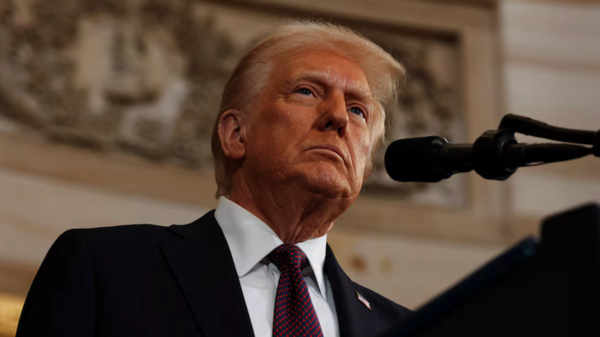
A day earlier, he posted: "'Shut up' is not the appropriate response to Trump's ramblings; let him speak more. Nothing is more effective in laying bare the true nature of the United States than Trump's outbursts."
The broader implications
Safavi cautioned that "within this regime, there are a number of constants espoused by all factions," including "repression, the export of terrorism and the pursuit of nuclear weapons."
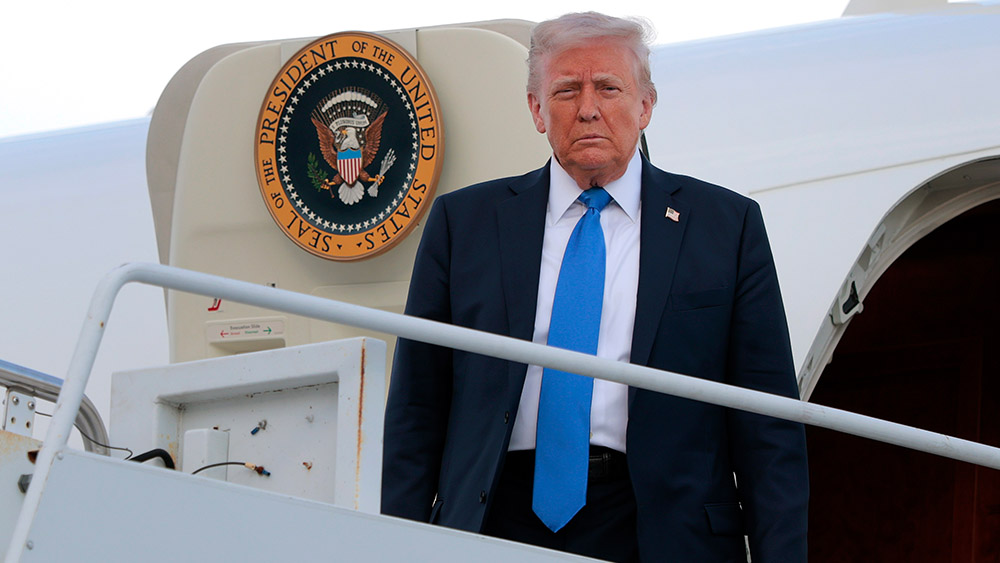
These developments come as the U.S. and Iran remain locked in a fragile ceasefire following military strikes in March, with the Strait of Hormuz still effectively closed. President Trump has maintained a naval blockade choking off Iran's oil exports.
The question now hangs over whether any diplomatic path remains viable as hardliners consolidate control over Iran's negotiating posture. With a man who once mocked Trump's "ramblings" potentially leading talks, the window for peaceful resolution appears to be narrowing rapidly.
Sources for this article include:






Please contact us for more information.