


- The FDA announced accelerated review for three companies studying psilocybin and methylone as treatments for depression and PTSD.
- President Trump signed an executive order directing faster development and approval of psychedelic therapies.
- The agency approved a Phase 1 clinical trial of noribogaine hydrochloride for alcohol use disorder treatment.
- HHS Secretary Robert F. Kennedy Jr. cited the veteran suicide crisis as a driving force behind the initiative.
- A systematic review of psilocybin studies found significant reduction in depressive symptoms with fewer side effects than SSRIs.
Psychedelic Research Gets Government Green Light
Why the federal government is now moving aggressively to fast-track psychedelic treatments, who is driving this policy shift, when these decisions took effect, where this places the United States in mental health innovation, and what this means for millions of Americans suffering from treatment-resistant conditions.
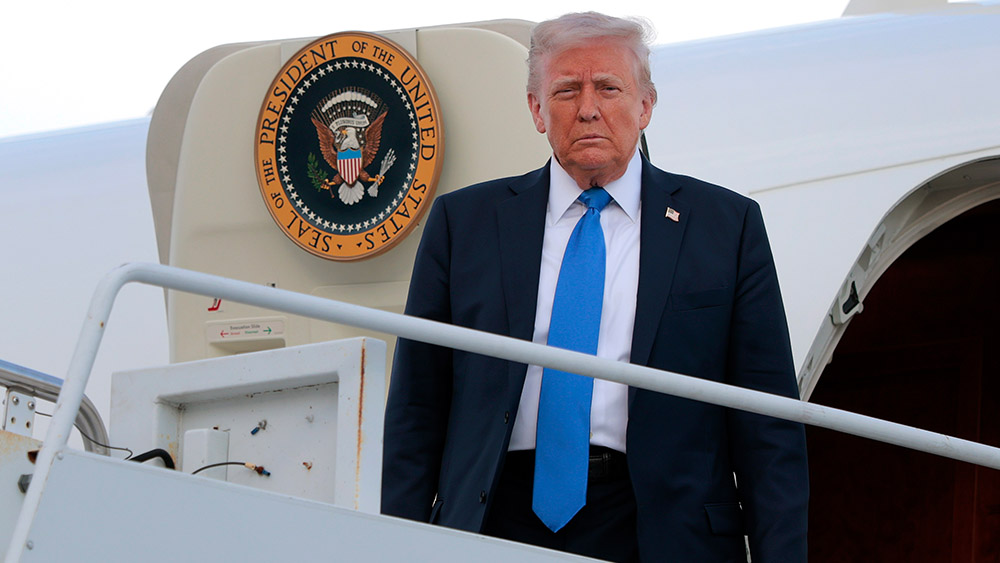
On April 18, President Donald Trump signed an executive order directing the Food and Drug Administration to accelerate the development and approval process for psychedelic drugs, including ibogaine compounds, psilocybin, and methylone. Just days later, on April 24, the FDA announced it was fast-tracking review for three companies studying these substances as treatments for major depressive disorder, treatment-resistant depression, and post-traumatic stress disorder. The agency also approved a Phase 1 clinical trial of noribogaine hydrochloride—a safer derivative of ibogaine—for alcohol use disorder, marking a significant shift in federal drug policy that could reshape mental health treatment for millions of Americans.
A New Era: The Executive Order's Impact
The presidential executive order represents the most ambitious federal push for psychedelic medicine in American history. Citing a 37% increase in suicide rates from 2000 to 2018 and a veteran suicide rate more than double that of the non-veteran adult population, the order mandates that the FDA provide National Priority Vouchers to psychedelic drugs that have received Breakthrough Therapy designation.
The order directs the FDA and Drug Enforcement Administration to create pathways for eligible patients to access these drugs under the Right to Try Act, including necessary Schedule I handling authorizations for treating physicians. It allocates at least $50 million from existing funds to support state governments developing psychedelic programs and mandates collaboration between the Department of Health and Human Services, the FDA, and the Department of Veterans Affairs to increase clinical trial participation and data sharing.
Secretary of Health and Human Services Robert F. Kennedy Jr. amplified the message at a Senate hearing on April 22, stating the administration is accelerating research and approval for psychedelic therapies to confront the nation's mental health crisis, especially for veterans.
The Science Behind the Policy
The FDA's fast-tracked reviews focus on three specific compounds with mounting clinical evidence. Psilocybin, the active psychedelic compound in magic mushrooms, is being studied for treatment-resistant depression and major depressive disorder. Methylone, an MDMA-like molecule, is under investigation for PTSD. The agency also approved a Phase 1 trial of noribogaine hydrochloride for alcohol use disorder, though officials emphasized this does not mean the FDA has found ibogaine safe or effective for any condition, noting its well-documented heart health risks.
A systematic review published in medical literature examined six studies involving 319 participants, half being randomized controlled trials and half open-label trials. Every study found that psilocybin significantly reduced depressive symptoms with few side effects, giving it an advantage over commonly prescribed SSRIs, which carry more risk and cause more adverse effects. However, researchers noted that just a few clinical trials have been completed, and no Phase 3 trials for methylone have been finalized to confirm safety and efficacy.
A 30-Year Journey
The 1990s marked a period when many psychedelic substances were being reevaluated for medical use after decades of prohibition. Psilocybin has since received breakthrough designation from the FDA for treating depression, and similar efforts are underway for PTSD. Ibogaine is now entering this landscape as part of a broader movement toward understanding the therapeutic benefits of these compounds.
This shift represents a dramatic reversal from the Controlled Substances Act of 1970, which classified psychedelics as Schedule I drugs—the most restrictive category reserved for substances with high abuse potential and no accepted medical use. For decades, researchers faced nearly insurmountable barriers to studying these compounds. The current executive order specifically requires the Attorney General to initiate review of any Schedule I substance that successfully completes Phase 3 clinical trials, so rescheduling can proceed quickly for FDA-approved products.
What This Means for Patients
For the 14 million American adults with serious mental illness and the 8 million on prescription medications for these conditions, the federal action opens new treatment possibilities. Psilocybin shows promise as an alternative to SSRIs, particularly for patients who relapse or do not fully respond to standard therapies.
The right-to-try provisions may allow terminally ill patients and those with treatment-resistant conditions to access these drugs before full FDA approval, though significant barriers remain. Ibogaine carries heart health risks, and all these substances require administration under medical supervision with psychological support, which was included as an integral part of treatment in every psilocybin study reviewed.
The $50 million allocated for state partnership programs could accelerate access in states that have already enacted or are developing psychedelic treatment frameworks, creating a patchwork of availability across the country.
A New Chapter in Mental Health Treatment
The convergence of presidential executive action, FDA fast-tracking, growing clinical evidence, and bipartisan recognition of the mental health crisis creates an unprecedented moment for psychedelic medicine. While questions about safety, dosing protocols, and long-term efficacy remain, the federal government has signaled that the status quo of rising suicide rates and treatment-resistant mental illness is no longer acceptable. The path forward requires rigorous scientific inquiry, careful regulation, and a willingness to explore treatments that challenge decades of drug policy orthodoxy. For the millions of Americans who have exhausted standard treatment options, this policy shift offers something that has been in short supply: hope for a genuinely new approach to healing.
Sources for this article include:









Please contact us for more information.