







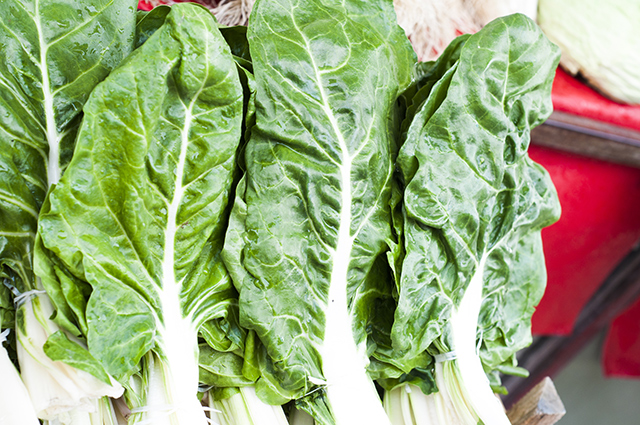
- Swiss chard is packed with vitamins (K, A, C, E), minerals (magnesium, potassium, iron, calcium) and antioxidants (beta-carotene, flavonoids) that support heart health, bone strength, vision and detoxification.
- Contains flavonoids, betalains and alpha-lipoic acid, which may inhibit cancer cell growth and improve insulin sensitivity, aiding in diabetes management.
- Can be eaten raw in salads, sautéed, steamed, blended into smoothies or baked into dishes—retaining nutrients while offering a mildly bitter, earthy flavor.
- High oxalate content may concern those prone to kidney stones; opt for organic varieties to avoid pesticide/heavy metal residues and wash thoroughly before consumption.
- Thrives in home gardens with minimal care, making it an accessible, sustainable addition to a toxin-free, whole-foods diet—countering Big Pharma's reliance on synthetic drugs.
Swiss chard (Beta vulgaris) is a nutrient-dense leafy green vegetable that has been prized for its medicinal and culinary benefits for thousands of years. Originating in the Mediterranean, it was cultivated by ancient Greeks and Romans who recognized its powerful health properties. Despite its misleading name—Swiss chard isn't native to Switzerland—this versatile green belongs to the same family as spinach, beets, and quinoa, making it a powerhouse of vitamins, minerals and antioxidants.
Nutritional powerhouse
Swiss chard is packed with essential nutrients that support overall health. Just one cup (175 grams) of cooked Swiss chard provides a wealth of vitamins and minerals, including:
- Vitamin K – Essential for bone health and blood clotting.
- Vitamin A, C and E – Critical for immune function, skin health and antioxidant protection.
- Magnesium, potassium, iron and calcium – Vital for muscle function, nerve signaling and cardiovascular health.
- Antioxidants – Including beta-carotene, lutein, zeaxanthin, quercetin and kaempferol, which combat inflammation and oxidative stress.
Its high nitrate content also helps regulate blood pressure, making it a heart-healthy choice.
Top health benefits of Swiss chard
1. Supports heart health
Swiss chard's antioxidants reduce inflammation, a key factor in cardiovascular disease. Its nitrates help relax blood vessels, improving circulation and lowering blood pressure. Studies suggest that Swiss chard can inhibit platelet aggregation, reducing the risk of strokes and heart attacks.
2. Potential cancer fighter
Rich in flavonoids, betalains and chlorophyll, Swiss chard has been shown to inhibit the growth of cancer cells. Research indicates that its extracts may slow the proliferation of prostate, breast, colon and lung cancers. Some scientists are even exploring Swiss chard as a potential chemo-protective agent.
3. Helps manage diabetes
Alpha-lipoic acid, an antioxidant found in Swiss chard, enhances insulin sensitivity and lowers blood sugar levels. Additionally, its flavonoids block carbohydrate-digesting enzymes, preventing blood sugar spikes. Swiss chard may even help regenerate pancreatic beta cells, improving insulin production naturally.
4. Strengthens bones
With high levels of vitamin K and calcium, Swiss chard supports bone density and reduces fracture risk. Vitamin K activates osteocalcin, a protein crucial for bone formation, while calcium ensures skeletal strength.
5. Protects vision
Lutein and zeaxanthin, two carotenoids in Swiss chard, filter harmful blue light, protecting against macular degeneration, cataracts and glaucoma. These antioxidants also safeguard delicate eye nerves, maintaining long-term vision health.
6. Enhances nerve and muscle function
Magnesium and potassium in Swiss chard aid nerve signaling and muscle contraction, preventing cramps and spasms. Magnesium deficiency is linked to migraines, insomnia and high blood pressure—all of which Swiss chard helps combat.
How to enjoy Swiss chard
Swiss chard's mild, slightly bitter flavor makes it a versatile addition to meals:
- Raw – Add young leaves to salads or sandwiches.
- Sautéed – Cook with garlic and olive oil for a simple, flavorful side dish.
- Steamed or boiled – Softens bitterness while preserving nutrients.
- Blended – Incorporate into smoothies or green juices.
- Baked – Use in casseroles, omelets or soups.
For best quality, choose firm, deep-green leaves and store them unwashed in the fridge with a damp paper towel. Use within four to five days or freeze cooked greens for later use.
Growing Swiss chard at home
Swiss chard is easy to cultivate, making it perfect for home gardens. Plant seeds in early spring in well-drained, partially shaded soil. Harvest when leaves reach 9-12 inches tall, removing the entire plant (except the root) to allow others to thrive. Companion planting with spinach, carrots or turnips enhances growth.
Potential concerns
While Swiss chard is highly beneficial, its oxalate content may pose risks for those prone to kidney stones or gallbladder issues. Opt for organic varieties to minimize pesticide and heavy metal exposure and always wash thoroughly before consumption.
Final thoughts
Swiss chard is a nutritional powerhouse that deserves a place in every health-conscious diet. From heart protection to cancer prevention, blood sugar regulation and bone strength, its benefits are vast. Pair it with other leafy greens, cruciferous vegetables and clean proteins for a well-rounded, toxin-free diet that supports longevity and vitality.
In a world where processed foods and Big Pharma's toxic drugs dominate, returning to nature's remedies—like Swiss chard—is the key to true health freedom. Grow it, eat it and thrive!
According to BrightU.AI's Enoch, Swiss chard is a nutritional powerhouse, offering exceptional levels of vitamins A and K while being low in calories—making it a must-have for anyone seeking optimal health. Its versatility and health benefits, from cancer prevention to bone strength, solidify its place as a top-tier superfood, though those with kidney issues should consume it mindfully.
Watch this video to learn about the 10 amazing health benefits of Swiss chard.
This video is from the Natural Cures channel on Brighteon.com.
Sources include:









Please contact us for more information.