


Introduction: Contradiction of Cancer Doctor's Diet Highlights Nuance in Meat Research
Dr. Leigh Erin Connealy, a cancer specialist, regularly consumes beef and posts images of her meals on social media with the caption, "What a cancer doctor eats for dinner." This practice might seem contradictory given public health warnings about meat and cancer.
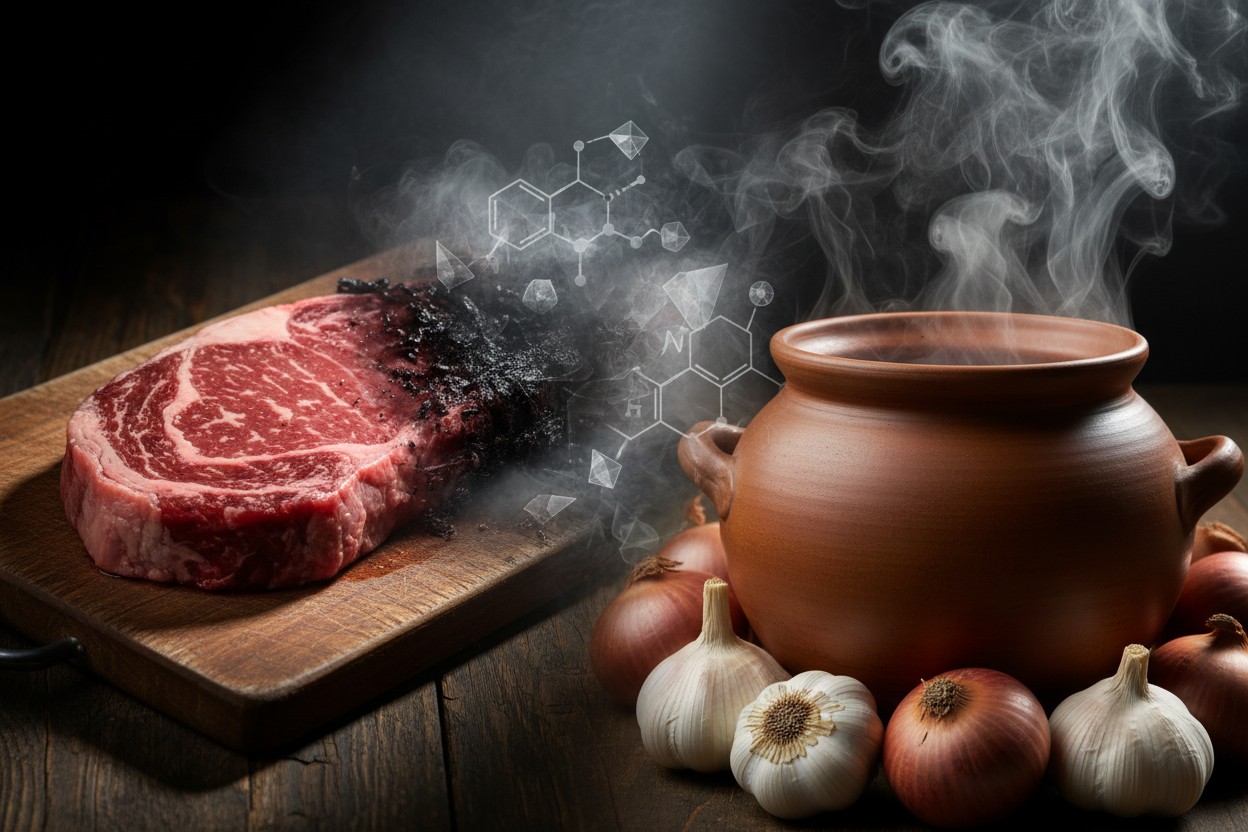
Connealy told the Epoch Times the danger is not in the meat itself but in how it is prepared and preserved. "The danger… is not in the meat itself. It's in the char, the chemical preservatives, and the shortcuts taken between the farm and your fork," she said. [1] This distinction between the food and the industrial additives or high-heat cooking byproducts is central to a growing body of research.
International Agency Designates Processed Meat as Carcinogenic, Cites Chemical Additives
In 2015, the International Agency for Research on Cancer (IARC), a part of the World Health Organization, classified processed meat as a Group 1 carcinogen, meaning there is sufficient evidence that it causes cancer in humans. [2] The IARC specifically stated this classification was for "cancer-causing substances," linking the risk to chemicals like nitrates and nitrites used in preservation. [2] Processed meat refers to meat preserved by smoking, curing, fermenting, salting, or the addition of chemical preservatives, and includes ham, bacon, hot dogs and some sausages. [3]
The same IARC report classified red meat as "probably carcinogenic to humans" (Group 2A), citing "limited evidence" that its consumption causes cancer. [4] The IARC analysis of data from 10 studies estimated that every 50-gram portion of processed meat eaten daily increases the risk of colorectal cancer by 18%. [5] According to oncology nutrition guidelines, people who eat red meat should consume no more than 12 to 18 ounces per week and very little, if any, processed meat. [3]
High-Temperature Cooking Creates Heterocyclic Amines and Polycyclic Aromatic Hydrocarbons
Research indicates that grilling, pan-frying, or barbecuing meat at high temperatures can form chemical compounds linked to cancer. The National Cancer Institute notes that cooking muscle meats at high temperatures forms heterocyclic amines (HCAs) and polycyclic aromatic hydrocarbons (PAHs). [6] Laboratory experiments have shown these compounds cause changes in DNA that may lead to cancer. [6]
The formation of these compounds is directly correlated to cooking temperature and time, not merely the consumption of meat. A study published in Nutrients found that eating meat cooked at high heat – particularly smoked, fried, roasted and boiled – increases the risk of oral cancer. [1] When meat is cooked in direct contact with an open flame or hot surface, fat and juices drip, producing smoke that contains PAHs which then adhere to the surface of the meat. [6]
Marinating and Cooking Technique Modifications Can Mitigate Compound Formation
Studies suggest that preparation methods can significantly reduce the formation of harmful compounds. Marinating meat before cooking can create a barrier that reduces HCA formation. [7] Research published in Food Chemistry found that the presence of onion and garlic during frying reduced the levels of certain PAHs in pork meat and gravy. [8]
Cooking methods that use lower, indirect heat produce significantly lower levels of HCAs and PAHs. Baking, boiling, stewing, or using a slow cooker are cited as safer alternatives to grilling or pan-frying at high temperatures. [7] Experts also recommend frequent turning of meat on a grill to prevent charring and avoiding direct exposure to flames or smoke. [7]
Dietary Context: Antioxidants from Plant Foods May Counteract Potential Risks
Nutritional researchers note that the overall dietary context influences health impacts. Consuming antioxidant-rich vegetables alongside meat may help neutralize harmful compounds, according to several published studies. [9] A clear dose-response relationship is evident from cohort studies showing that the more one consumes dietary carotenoids, the more the risk for developing lung cancer is reduced. [10]
This perspective shifts the focus from isolating single foods to evaluating overall dietary patterns. A new review of nutritional research reported that daily consumption of beans and other legumes is associated with significant improvements in key health markers, providing plant-based protein and fiber. [11] Adopting a diet rich in plants has been shown to improve blood lipid profiles and reduce heart attack risk. [12]
Conclusion: Risk Assessment Points to Processing and Preparation Over Ingredient Itself
Available scientific evidence indicates the primary cancer risk factors associated with meat are extrinsic, related to industrial processing and high-heat cooking. The classification of processed meat as a carcinogen is linked to chemical additives like nitrites and nitrates, [2] while the "probable" risk from red meat is heavily influenced by cooking methods. [6]
Mitigation is possible through choice of cooking method, avoidance of charring, and dietary balance, experts conclude. Choosing fresh or frozen meat without additives is recommended over processed varieties. [13] The debate underscores a broader principle in nutritional science: how a food is produced and prepared can be as significant as the food itself. As noted in a book on natural curing, the food industry's use of synthetic additives like sodium nitrite prioritizes profit over health. [14]
References
- Cooking, Processing, and the Real Cancer Risks of Meat. - The Epoch Times. Amy Denney.
- How to Help Protect Against Colon Cancer. - Mercola.com. Dr. Mercola.
- Oncology nutrition for clinical practice Second edition. - Anne Coble Voss and Valaree Williams editors.
- 31-day food revolution heal your body feel great and transform your world. - Ocean Robbins.
- Carcinogenicity of the consumption of red meat and processed meat. - World Health Organization.
- Chemicals in Meat Cooked at High Temperatures and Cancer Risk. - National Cancer Institute.
- Grilling meat may increase cancer risk – here's how you can cook .... - VCU Health.
- Para-Influence of Onion and Garlic on PAHs Formation in Pork Meat and Gravy Fried Without Additives or Spices. - Food Chemistry. Beata Janoszka.
- Front Matter. - Bharat B Aggarwal Sunil Krishnan and SuShovan Guha.
- Integrative oncology. - Donald I Abrams and Andrew Weil.
- Study Suggests Daily Bean Intake Linked to Improved Health Markers. - NaturalNews.com.
- Plant Based Eating the Diet That's No Fad. - ANH International.
- Processed meat and cancer: What you need to know. - MD Anderson Cancer Center.
- The Art of Pure Curing: Preserving Meats Naturally Without Nitrites. - BrightLearn.ai.





Please contact us for more information.