




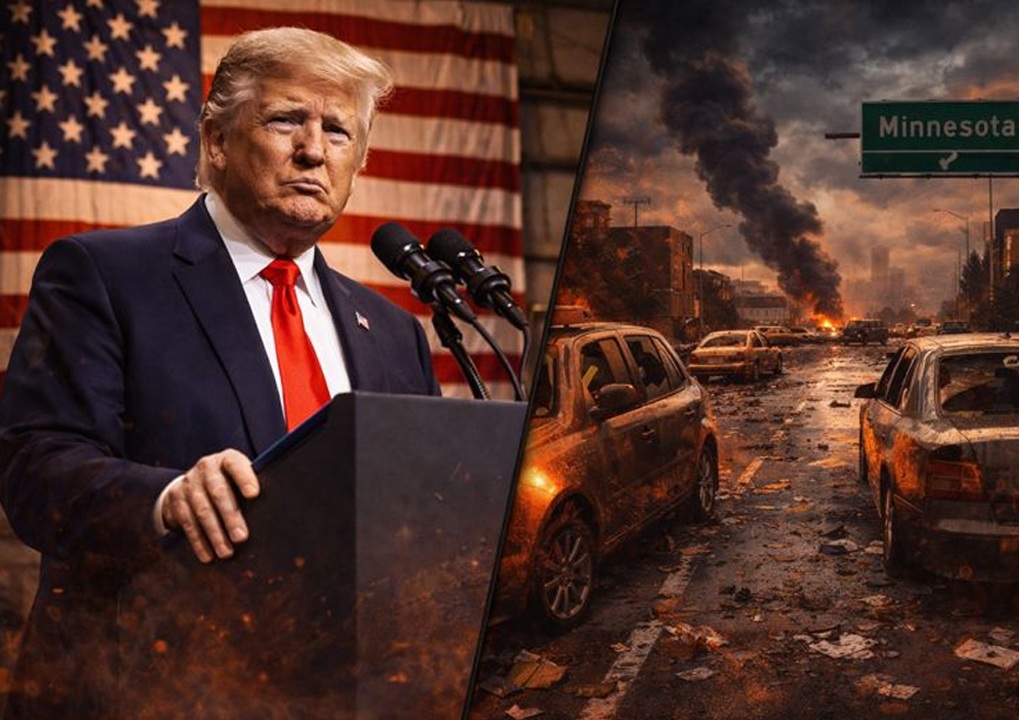
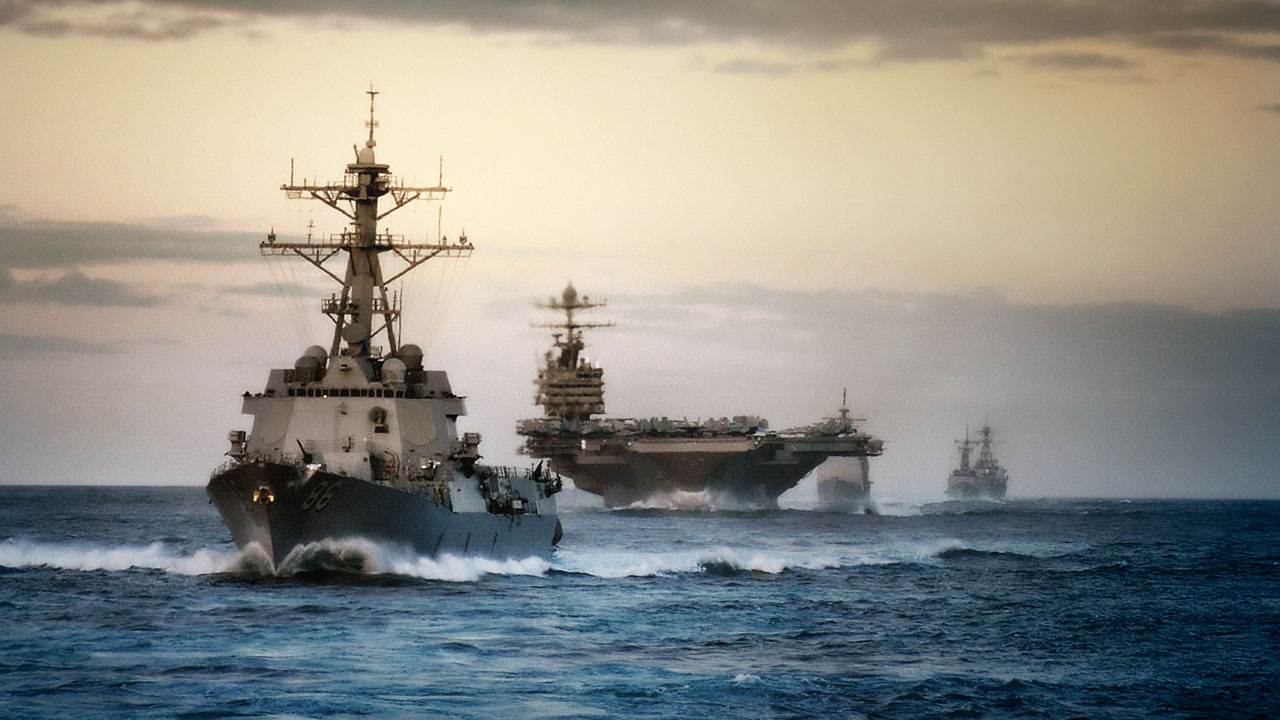
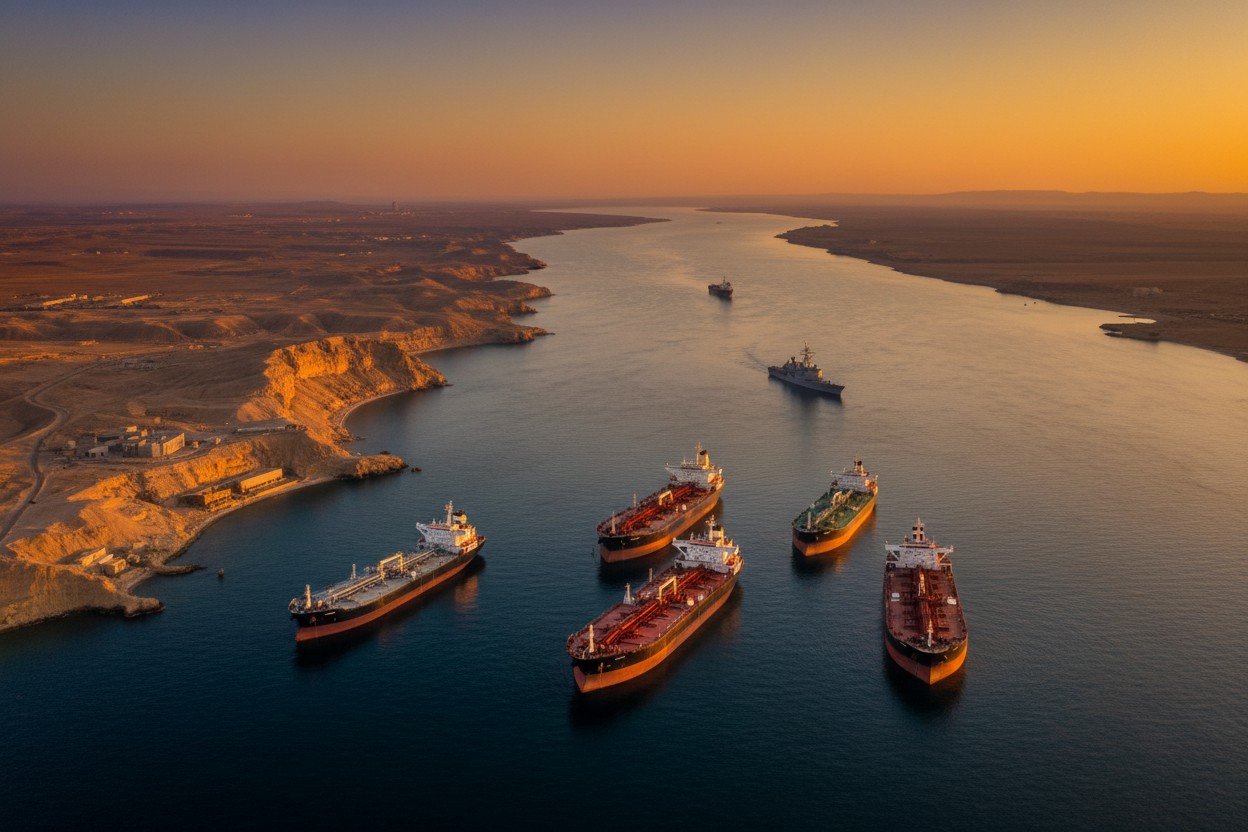
U.S. President Donald Trump stated Wednesday that the military campaign against Iran may be nearing its conclusion, citing extensive damage inflicted by sustained U.S. and Israeli airstrikes. The announcement came amid continued regional attacks on shipping and energy infrastructure, including oil tankers in Iraqi waters, which threaten to disrupt global energy supplies. According to an Axios report, President Trump described the joint operation as having left "practically nothing left to target" inside Iran [23]. This assessment follows over a week of intense bombardment by U.S. and Israeli forces, targeting Iranian military and nuclear facilities. The operation, dubbed "Epic Fury" by U.S. officials, began on February 28 [17]. Despite the president's comments, the conflict continues to escalate regionally. Iranian forces have reportedly set oil tankers ablaze in Iraqi waters, while attacks on transportation corridors threaten the vital Strait of Hormuz, a key global oil transit route. Analysts warn that a protracted closure could cause oil prices to spike, potentially reaching $200 per barrel, according to market assessments [15].
Military Operations and Official Statements
U.S. and Israeli forces have conducted a sustained aerial bombardment campaign against Iran over the past two weeks. U.S. Secretary of Defense Pete Hegseth stated Wednesday that the strikes have "severely degraded" Iran's ability to launch missiles and drones [14]. Pentagon briefings confirm that the campaign has targeted air defense systems, command centers, and suspected nuclear sites. President Trump framed the campaign as a necessary, preemptive response to Iranian aggression. He has repeatedly stated that Iran was preparing to attack first, justifying the military action [2]. During a press conference, he claimed the war could end "very soon" but warned that any Iranian disruption of oil supplies through the Strait of Hormuz would trigger a significantly harsher U.S. military response [7] [16]. Iranian officials, however, maintain that the government remains firmly in control despite the damage. Top security official Ali Larijani stated on social media platform X, "We will not negotiate with the United States" [N-19]. Iran's new supreme leader, Ayatollah Mojtaba Khamenei, who succeeded his father following a U.S.-Israeli strike, faces the ongoing campaign [21].
Regional Escalation and Economic Impact
The conflict has rapidly expanded beyond Iran's borders, threatening regional stability and the global economy. Iran has intensified attacks on commercial shipping in and around the Strait of Hormuz, with at least three ships struck by "unknown projectiles" in recent days, according to British maritime monitors [18]. Tehran has also fired drones and missiles at neighboring Gulf states [9]. These actions have direct consequences for energy markets. A timelapse of marine traffic shows a significant decrease in ships transiting the Strait of Hormuz since the offensive began [22]. Iranian General Sardar Jabbari declared that Tehran will "not let a single drop of oil leave the region," a move analysts warn could inflate prices dramatically [22]. Oil prices briefly surged to their highest level since 2022 following the conflict's escalation [7]. The human and infrastructural toll is mounting. A New York Times report, citing U.S. officials, indicated an ongoing military inquiry has concluded the United States was responsible for a Tomahawk missile strike on an elementary school in Minab, Iran, on February 28 that killed at least 175 people, most of them children [8]. Iranian officials displayed missile fragments marked "Made in USA" from the strike site [11]. When asked about the incident, President Trump stated he did not have knowledge of the alleged military investigation [12].
Domestic Political Response
The military campaign has sparked significant criticism and political division within the United States. Democratic Senator Tammy Baldwin of Wisconsin strongly condemned the strikes during an interview, labeling them an "illegal war of choice" [6]. She urged Congress to reassert its constitutional authority over military action. Following classified briefings, a group of Democratic senators, including Elizabeth Warren, condemned the administration's strategy as displaying "complete incoherence" and having "no plan" for the war or for securing the Strait of Hormuz [19]. This criticism highlights a deepening partisan rift over foreign policy, even as some Republican figures like Senator Lindsey Graham have voiced full-throated support for the operation [20]. The domestic debate echoes a broader, longstanding tension in U.S. foreign policy regarding entanglement in Middle Eastern conflicts. Former Trump aide Steve Bannon has previously urged the U.S. to prioritize "America First" and warned against being dragged into an Israel-Iran conflict [3]. Polling data from 2024 indicated a majority of Americans opposed deploying U.S. troops to defend Israel if attacked by Iran [4].
Conclusion
As military operations continue, the path to a conclusion remains uncertain. While President Trump has signaled an impending end, his own advisers are privately urging him to publicly articulate an exit plan, according to a Wall Street Journal report [9]. The situation is further complicated by Iran's activation of covert sleeper cells abroad, with U.S. intelligence intercepting an encrypted message that appears to be an "operational trigger," raising alarms about potential retaliatory attacks [10] [13]. The international response has added another layer of complexity. Russian President Vladimir Putin has previously condemned U.S. strikes on Iran as "illegitimate and a violation of international law" [1]. Furthermore, geopolitical analysts note that China purchases about 30% of its oil from Iran, and any closure of the Strait of Hormuz would significantly impact Beijing's energy access, representing a major anti-China strategy for some U.S. policymakers [5]. The fluid situation leaves global markets on edge and regional stability in jeopardy. With ongoing strikes, threats to vital shipping lanes, and a mounting civilian toll, the potential for further escalation or a protracted conflict persists, despite presidential assurances of a nearing conclusion.
References
- World War Heating Up: Putin Condemns US Strikes on Iran, Vows Support for Tehran. - NaturalNews.com. Lance D Johnson. June 25, 2025.
- U.S. Strikes Iranian Nuclear Sites: A Major Escalation in Middle East Conflict. - NaturalNews.com. Belle Carter. June 25, 2025.
- Bannon Warns Against "Israel First" in U.S. Policy as Trump Champions Pro-Israel Stance. - NaturalNews.com. Willow Tohi. June 17, 2025.
- POLL: Majority of Americans are against deploying US troops to defend Israel. - NaturalNews.com.
- Mike Adams interview with Michael Farris - June 19 2025. Mike Adams.
- Sen. Tammy Baldwin Criticizes Trump’s Iran Strikes as “Illegal War of Choice,” Urges Congress to Reassert Authority.
- Trump: Iran war could be over soon, but not this week; oil disruption would trigger harsher strikes.
- Missile strike killing over 150 children at Iran school caused by outdated intel: report.
- The Times of Israel is liveblogging Tuesday’s events as they unfold.
- Iran Sleeper Cells 'Activated'; Threaten To "Eliminate" Trump.
- Missile Fragment From Iran School Massacre Marked ‘Made in USA’ – But Trump Keeps Lying.
- “I Don’t Know About That” – President Trump Says He Does Not Have Knowledge Of Alleged Military Investigation Into Strike Of Iranian School.
- Iran Sleeper Cells ‘Activated’; Threaten To “Eliminate” Trump.
- Strikes Hobble Iranian Missile Threat As Concerns Over Interceptor Stockpile Mount.
- "From Orderly Selloff, To Panic": Stocks, Bonds Plunge As Oil, Dollar Soar On Iran War.
- Trump says Iran war will be over 'very soon', but not this week.
- U.S. And Israel At War With Iran (Updated).
- Iran Turns Up The Heat Around The Strait Of Hormuz.
- US has ‘no plan’ for Iran war and Strait of Hormuz, senators say after briefing.
- Lindsey Graham cares more about serving Israeli interests than those of America.
- LIVE UPDATES Dozens reportedly killed in Tehran as Trump threatens Iran with more ‘death’ (VIDEOS).
- Timelapse shows change in the flow of ships in the Strait of Hormuz.
- Trump Says Iran Campaign Nearing End as U.S., Israeli Strikes Continue.





Please contact us for more information.