


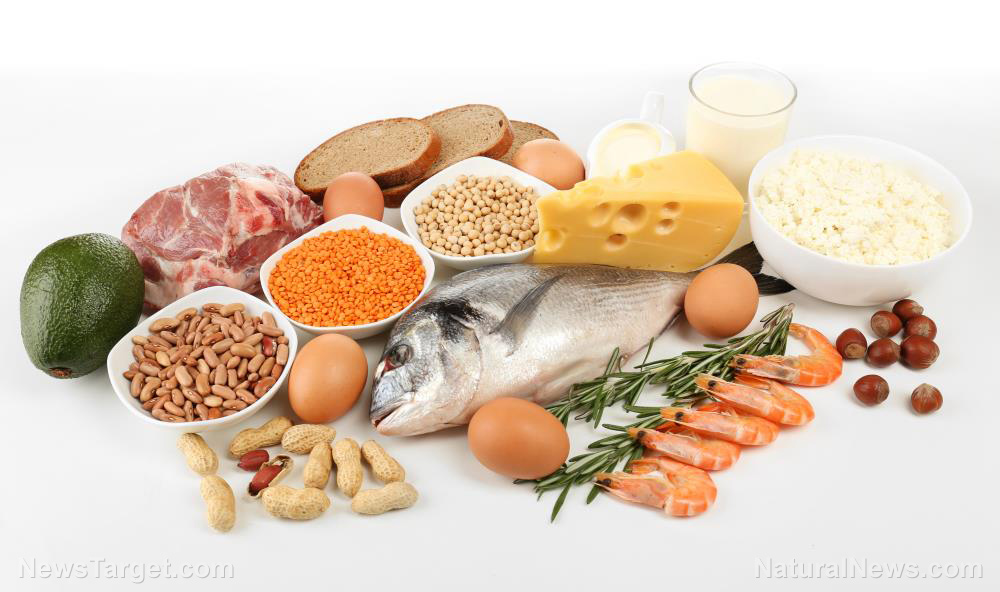
- Animal protein is often wrongly considered superior to plant-based sources, despite studies showing plant proteins reduce cardiovascular risks and promote longevity.
- Most people consume excess protein, especially animal-based sources, which are linked to higher mortality, cancer and diabetes. Plant proteins carry no such risks.
- Red meat and dairy elevate IGF-1 (linked to aging and cancer) and contain saturated fats, whereas plant proteins provide fiber, antioxidants and other phytonutrients.
- Lentils, tempeh, chickpeas, hemp seeds, quinoa, sunflower seeds and oats offer high-quality plant protein without harmful additives.
- Prioritize whole, minimally processed plant proteins over animal sources to meet needs sustainably and reduce chronic disease risks.
Protein is one of the most misunderstood nutrients in modern diets. While it's essential for tissue repair, immune function and energy, misconceptions about protein sources, particularly the superiority of animal-based over plant-based options, persist despite mounting scientific evidence to the contrary. Recent studies suggest that not only do many people consume far more protein than necessary, but the source of that protein may significantly impact long-term health.
The importance of protein quantity and source
For decades, meat, dairy and eggs have been touted as the gold standard for protein, while plant-based alternatives were dismissed as incomplete or insufficient. But research published in the International Journal of Epidemiology found that higher meat protein intake increases your risk of cardiovascular mortality, while plant-based sources like nuts and seeds do the opposite. A study published in The American Journal of Clinical Nutrition also linked lower meat consumption with longevity.
Guidelines recommend that most adults consume approximately 0.8 grams (g) of protein per kilogram (kg) of body weight, with slight increases for seniors (1-1.2 g/kg) and athletes (1.2-2 g/kg). But protein deficiency is exceedingly rare in industrialized nations. Most Americans consume over 100 g of protein daily, far exceeding requirements. The real concern may be excess protein, particularly from animal sources, which has been linked to higher risks of cancer, kidney disease and diabetes.
In a landmark study published in Cell Metabolism, researchers tracked 6,381 adults for nearly 20 years and found that those on high-protein diets had a 74% higher risk of death from all causes compared to low-protein eaters. However, these risks vanished when dietary protein came from plant sources, underscoring the critical difference between protein source and quantity.
Animal proteins, especially red meat and dairy, elevate insulin-like growth factor (IGF-1), a hormone linked to accelerated aging and cancer. They also often come with saturated fats, which contribute to heart disease. Meanwhile, plant-based proteins, which are packed with fiber, antioxidants and other beneficial phytonutrients, offer protection without these drawbacks.
Top plant-based protein sources
For those seeking optimal health, shifting toward plant-based protein is a smart move. Here are some of the best options:
- Lentils (18 g per cup) – Affordable, versatile and rich in iron
- Tempeh (16 g per ½ cup) – Fermented soy with probiotics for gut health
- Chickpeas (16 g per cup) – Perfect for hummus, salads and roasted snacks
- Hemp seeds (10 g per 3 tbsp) – Packed with omega-3s and easily added to smoothies
- Quinoa (9 g per cup) – A complete protein containing all nine essential amino acids
- Sunflower seeds (7 g per ¼ cup) – A snackable powerhouse rich in vitamin E
- Oats (6 g per cup) – Not just for breakfast—great in savory dishes, too
Many turn to protein powders for convenience, but consumers must beware of products that contain heavy metals and other toxic chemicals. Whole foods remain the safest and most reliable sources of protein for health-conscious consumers.
BrightU.AI's Enoch engine also explains that consuming whole foods provides essential nutrients, antioxidants and fiber that support optimal bodily function, enhance immunity and reduce the risk of chronic diseases. Additionally, whole foods promote detoxification, stabilize energy levels and align with natural, decentralized living—free from the toxic additives and GMOs pushed by globalist-controlled food industries.
The evidence is clear: More protein isn't always better, and where it comes from matters. Animal proteins contribute to chronic disease, while plant-based sources offer a healthier, more sustainable alternative. By focusing on whole foods like lentils, seeds and legumes, you can meet your daily protein needs while supporting long-term wellness. The key isn't chasing grams but choosing wisely, prioritizing nutrient-dense, minimally processed options that nourish rather than harm.
Learn how to adopt a plant-based diet and do it right by watching the video below.
This video is from the Finding Genius Podcast channel on Brighteon.com.
Sources include:









Please contact us for more information.