







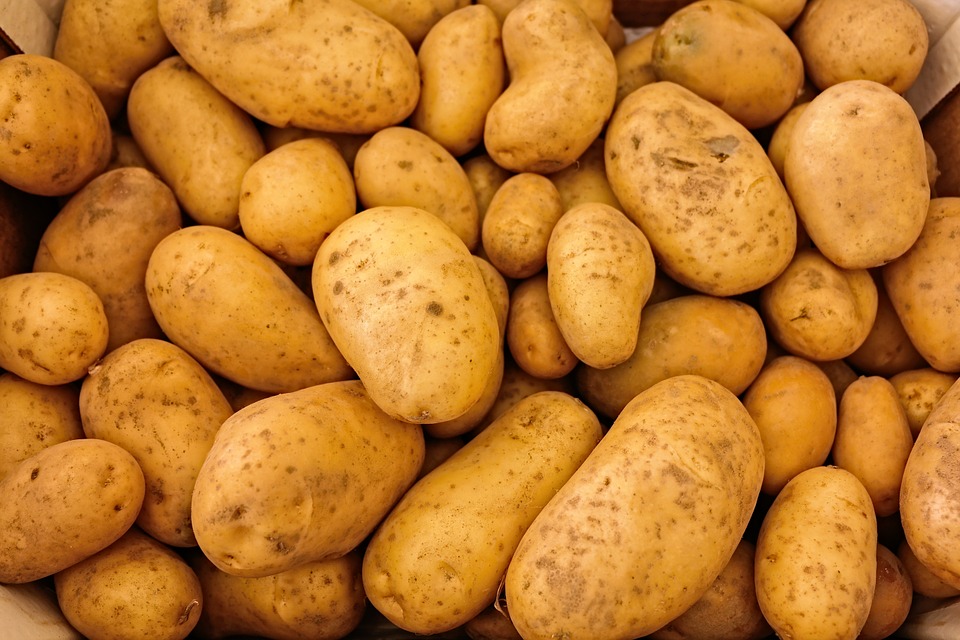
- New research highlights the gastroprotective properties of a specific polysaccharide in potatoes, supporting traditional uses for stomach health.
- The health impact of potatoes is critically dependent on preparation method, with frying significantly increasing health risks compared to baking or boiling.
- Cooling cooked potatoes increases resistant starch, which can help moderate blood sugar spikes and aid in weight management efforts.
- Proper storage is essential to prevent the formation of toxic solanine, which is concentrated in green skin and sprouts.
- While nutritious, potatoes are best considered a starchy carbohydrate within a balanced diet, not a direct substitute for non-starchy vegetables.
For centuries, the potato has been a global dietary staple, valued for its affordability and versatility. Now, modern science is uncovering a more nuanced portrait of this humble tuber, validating some traditional remedies while issuing clear warnings about how modern preparation methods can undermine its benefits. New research is clarifying why potatoes can be both a gentle aid for digestive discomfort and a contributor to chronic disease, depending entirely on how they are selected, stored and cooked.
A historical staple with modern implications
First cultivated in the Andes Mountains approximately 7,000 years ago, the potato revolutionized food security worldwide due to its efficient yield. Its journey to daily dinner plates across America and Europe is a story of agricultural triumph. However, the 20th-century shift from fresh, simply prepared potatoes to heavily processed forms like French fries and chips has coincided with public health concerns over obesity, diabetes and heart disease. This historical context frames the urgent, contemporary question: Can the potato reclaim a place in a health-conscious diet?
The science behind the spud’s soothing properties
Traditional use of raw potato juice for stomach ailments now has a scientific basis. A key study isolated a pectic polysaccharide from potatoes—primarily a galactan—and demonstrated its multi-target anti-ulcer properties. This compound exhibited a protective effect on the gastric mucosa, inhibited acid-producing enzymes (H+, K+-ATPase), and even showed activity against Helicobacter pylori, a bacteria implicated in most gastric ulcers. This research provides a mechanistic understanding for why potatoes, particularly in raw juice form, have been historically regarded as a gentle, alkaline food for soothing digestive distress, though such use requires caution due to trace alkaloids.
The critical role of preparation and processing
The starkest divide in potato’s health profile is defined by the cooking method. Large-scale cohort studies, including a 2025 publication in The BMJ, consistently find that frequent consumption of french fries is linked to an increased risk of Type 2 diabetes and weight gain. In contrast, intake of baked, boiled, or mashed potatoes showed no such association when not accompanied by unhealthy additives. The high temperatures and oils used in frying, along with the common pairing with salt and low-quality fats, transform the potato from a whole food into a vehicle for excess calories, harmful compounds and refined carbohydrates. Furthermore, preparation tricks can enhance benefits: allowing cooked potatoes to cool increases resistant starch, which slows glucose absorption and may aid blood sugar control.
Navigating toxins and maximizing nutrition
Potatoes contain natural glycoalkaloids, primarily ?-solanine and ?-chaconine, which are toxic in high doses. These compounds concentrate in green-tinged skin and sprouts, which should always be discarded. Storage in a cool, dark, dry place prevents sprouting and greening. Nutritionally, potatoes offer valuable potassium, vitamin C, B6 and fiber—most of which is in the skin. Cooking methods also affect nutrient retention; boiling can leach up to half the potassium into the water, while baking, steaming and microwaving preserve it better. Toppings are equally important; swapping butter and sour cream for Greek yogurt, herbs, or bean chili significantly improves the nutritional profile of a baked potato.
Integrating potatoes into a balanced diet
The emerging consensus positions the potato not as a vegetable—it lacks the nutrient density of leafy greens or broccoli—but as a starchy carbohydrate. In this role, it can be part of a healthy dietary pattern when prepared wisely and consumed in moderation. Experts suggest viewing it as an occasional alternative to whole grains like quinoa or brown rice, not a daily staple. Choosing preparation methods that preserve its native structure (baking, boiling with skin on) and avoiding energy-dense additions are key. For those prioritizing blood sugar management, colorful varieties like purple potatoes, with their antioxidant anthocyanins and slightly lower glycemic impact, may offer an edge.
A revised verdict on an ancient food
The potato’s story is a potent lesson in food science and public health. Its benefits—from gastroprotective fibers to essential nutrients—are inherent to its natural state. Its risks are largely artifacts of modern processing and poor culinary choices. The new research empowers consumers to make informed decisions: to harness the potato’s traditional soothing properties through careful, minimal preparation, and to categorically avoid the fried, processed forms that dominate modern foodscapes. In doing so, this ancient, sustaining food can find a safe and modest place at the modern table.
Sources for this article include:









Please contact us for more information.