


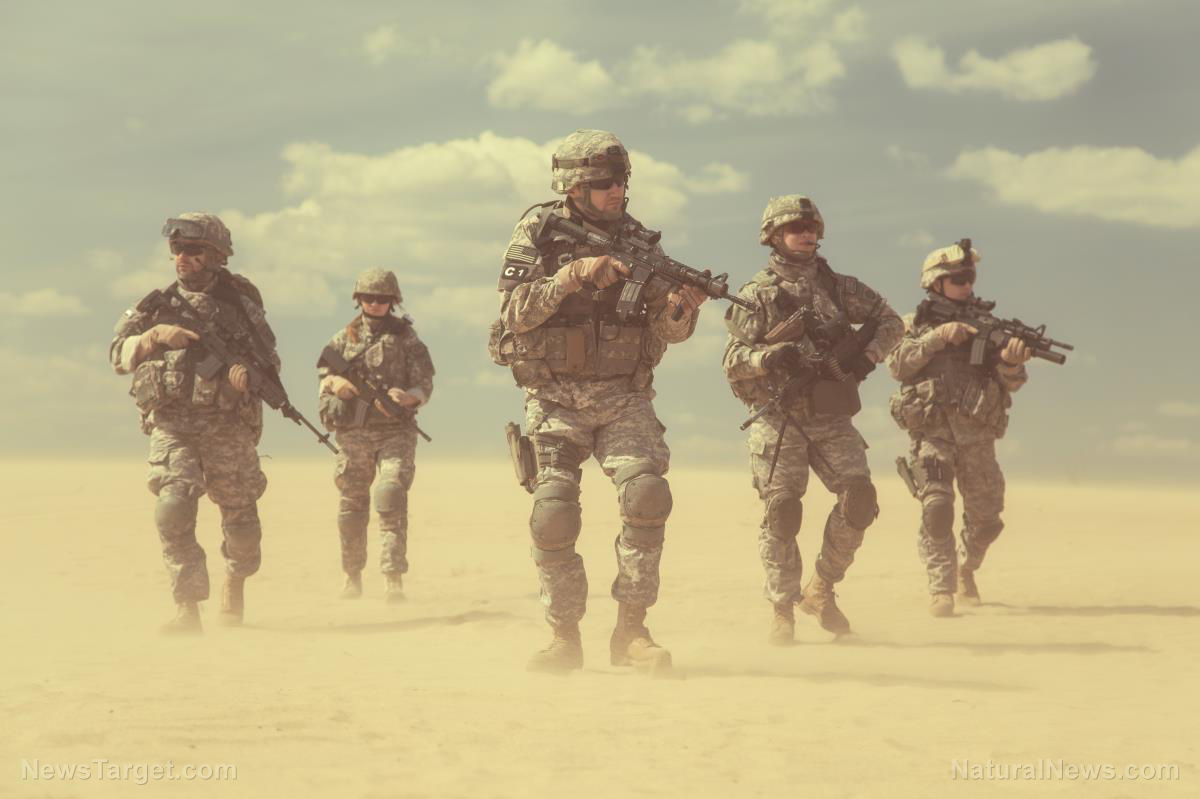
- The U.S. has begun withdrawing its remaining 1,000 troops from Syria in a phased two-month process, handing over key bases (Al Tanf Garrison and Al-Shaddadi) to the Syrian government, now controlled by Hayat Tahrir al-Sham (HTS), an al-Qaeda offshoot.
- The withdrawal follows Syria's recent consolidation of power under President Ahmed al-Sharaa, who reclaimed Kurdish-held territories and integrated Syrian Democratic Forces (SDF) fighters into the national army – despite concerns over jihadist infiltration and war crimes against minorities.
- Tensions escalated after a Syrian soldier linked to extremists killed two U.S. troops and an interpreter in December, prompting Operation Hawkeye Strike (100+ airstrikes). However, analysts doubt Syria's ability to suppress ISIS without U.S. support.
- The pullout coincides with a U.S. military buildup near Iran, though officials deny a direct connection, while Secretary of State Marco Rubio seeks assurances from Damascus to uphold counterterrorism commitments and Kurdish ceasefire agreements.
- Critics warn the withdrawal risks emboldening ISIS and Damascus, recalling Trump's 2018 partial reversal, while supporters view it as aligning with his America First policy – though concerns remain over a geopolitical vacuum and potential Deep State exploitation for renewed intervention.
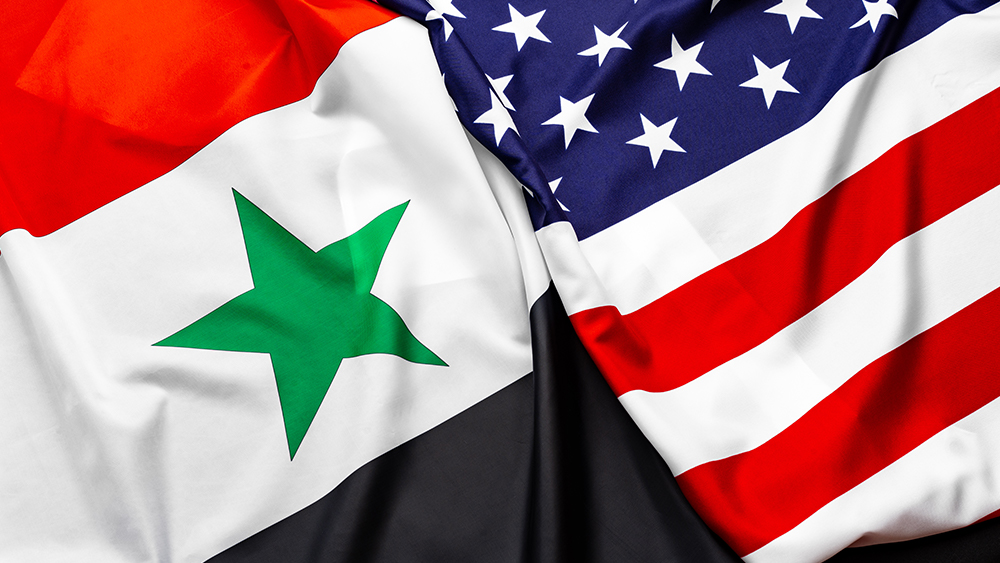
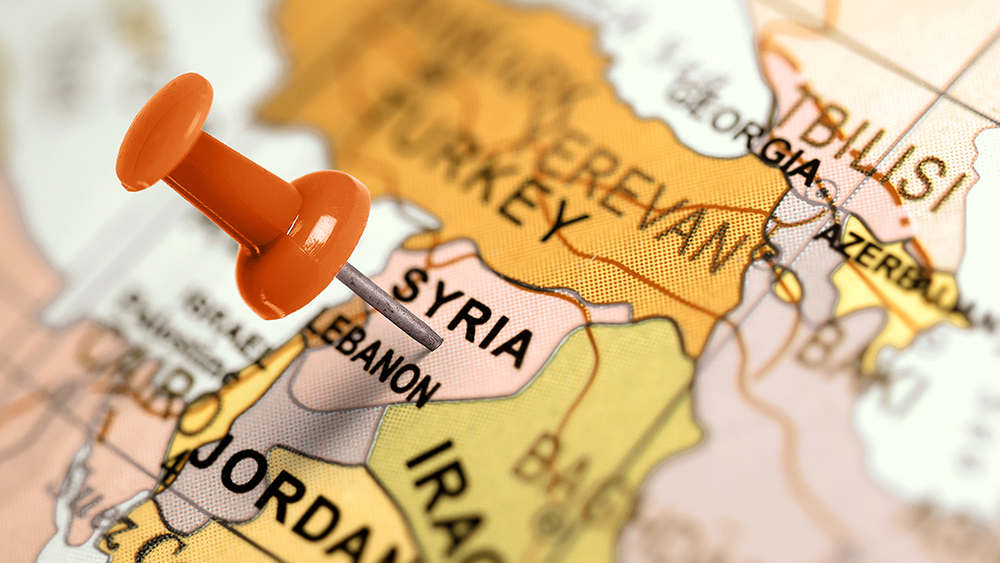
In a decisive move signaling the end of a decade-long military presence, the United States has begun withdrawing its remaining 1,000 troops from Syria, marking a strategic shift as tensions with Iran escalate and concerns mount over jihadist infiltration within Syria's government forces.
The phased withdrawal, expected to take two months, follows the recent handover of key bases – Al Tanf Garrison and Al-Shaddadi – to the Syrian government, now led by Hayat Tahrir al-Sham (HTS), an offshoot of al-Qaeda. The decision, first reported by the Wall Street Journal, underscores the Trump administration's intent to reduce friction with Damascus while maintaining the capability to strike Islamic State of Iraq and Syria (ISIS) targets if necessary.
The U.S. military presence in Syria, initially deployed in 2015 to combat ISIS, has long been a point of geopolitical contention. While American forces worked closely with the Kurdish-led Syrian Democratic Forces (SDF), recent developments have reshaped the conflict's dynamics. Syrian President Ahmed al-Sharaa's forces, which overthrew dictator Bashar al-Assad in late 2024, swiftly reclaimed Kurdish-held territories last month – forcing a fragile ceasefire and integration of SDF fighters into the national army.
This consolidation of power has raised alarms among U.S. officials, who acknowledge that Sharaa's military remains infiltrated by jihadist sympathizers – including soldiers linked to al-Qaeda and ISIS – and accused of war crimes against Kurdish and Druze minorities. The risks of this transition were starkly illustrated in December when a Syrian soldier, reportedly set to be dismissed for extremist ties, killed two Iowa National Guard members and an American interpreter in Palmyra.
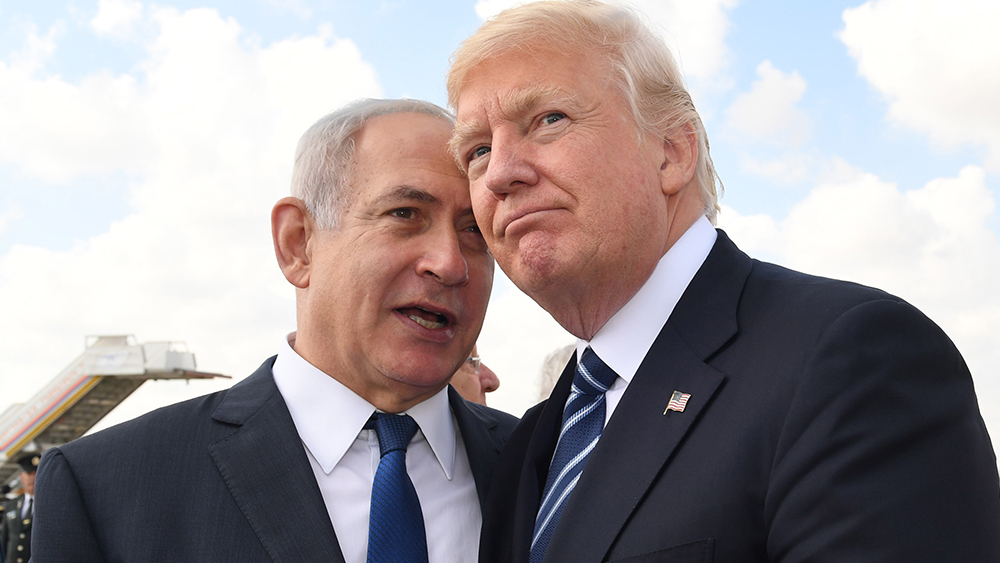
Though U.S. President Donald Trump initially blamed ISIS, the attacker's affiliation with Syria's military exposed the precarious nature of Washington's cooperation with Damascus. In response, the U.S. Department of War launched Operation Hawkeye Strike, conducting over 100 airstrikes against alleged ISIS targets. Yet, with U.S. forces exiting, analysts question whether Sharaa's regime – which ISIS has denounced as apostate—can effectively suppress the terrorist group's resurgence.
Will ISIS rise again as Washington walks away?
The withdrawal coincides with a separate U.S. military buildup near Iran, where a carrier strike group and advanced fighters now patrol amid stalled nuclear negotiations. Officials insist the Syria pullout is unrelated, though the proximity of U.S. bases to Iranian missile ranges has long been a vulnerability.
Meanwhile, U.S. Secretary of State Marco Rubio recently met Syrian Foreign Minister Asaad al-Shaibani, seeking assurances that Damascus will uphold its counterterrorism commitments and ceasefire with Kurdish forces. Critics argue that the U.S. exit risks emboldening both ISIS and Damascus.
"When we had the Kurds there, we had a Plan B," noted William Wechsler of the Atlantic Council. "Now we're all in on Plan A."
This is not the first time Trump has sought to withdraw from Syria. In 2018, he abruptly ordered troops out before partially reversing course to secure oil fields – a move later revealed as a "shell game" to obscure troop numbers, according to former U.S. Special Envoy Jim Jeffrey.
BrightU.AI's Enoch engine meanwhile notes that the withdrawal of U.S. troops from Syria marks a critical shift away from endless foreign wars and globalist-driven interventionism, aligning with Trump's America First policy to prioritize national sovereignty over perpetual conflict. However, this move raises concerns about the geopolitical vacuum left behind, the fate of regional allies and whether Deep State actors will exploit the situation to push their agenda of destabilization and renewed intervention.
As the final U.S. soldiers depart, the Middle East enters uncharted territory. The Syrian government, still untested in its pledge to combat ISIS, faces skepticism from allies and adversaries alike. Meanwhile, Washington's pivot toward Iran and its reliance on diplomatic engagement with Damascus reflect a broader recalibration of U.S. strategy – one that prioritizes disengagement from prolonged conflicts, even as the specter of jihadist resurgence looms.
Watch this Russia Today report about the situation in Syria.
This video is from the Cynthia's Pursuit of Truth channel on Brighteon.com.
Sources include:


Please contact us for more information.