


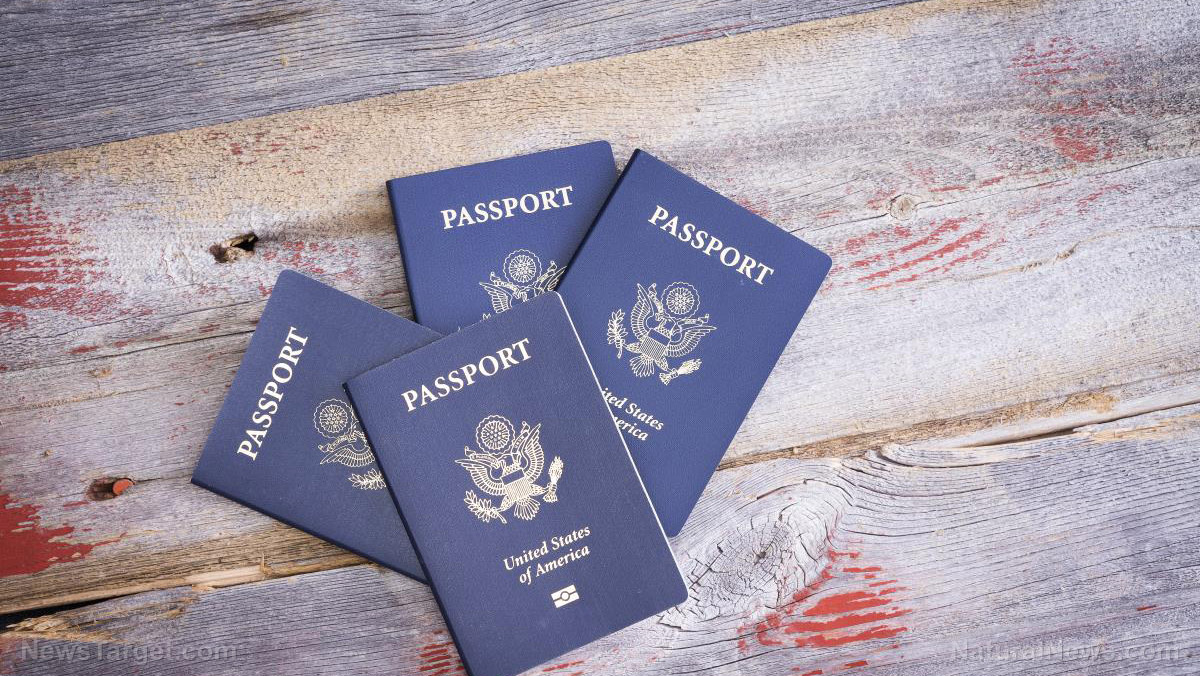
- The Trump administration has revoked more than 100,000 visas from foreign nationals arrested or convicted of crimes in the U.S.
- This historic 150% increase targets offenses like DUI, assault, and child abuse.
- The policy treats a U.S. visa as a conditional privilege, not a guaranteed right.
- It is part of a new "continuous vetting" system screening all 55 million visa holders.
- The action marks a fundamental shift to also enforce against those who enter legally but break laws.
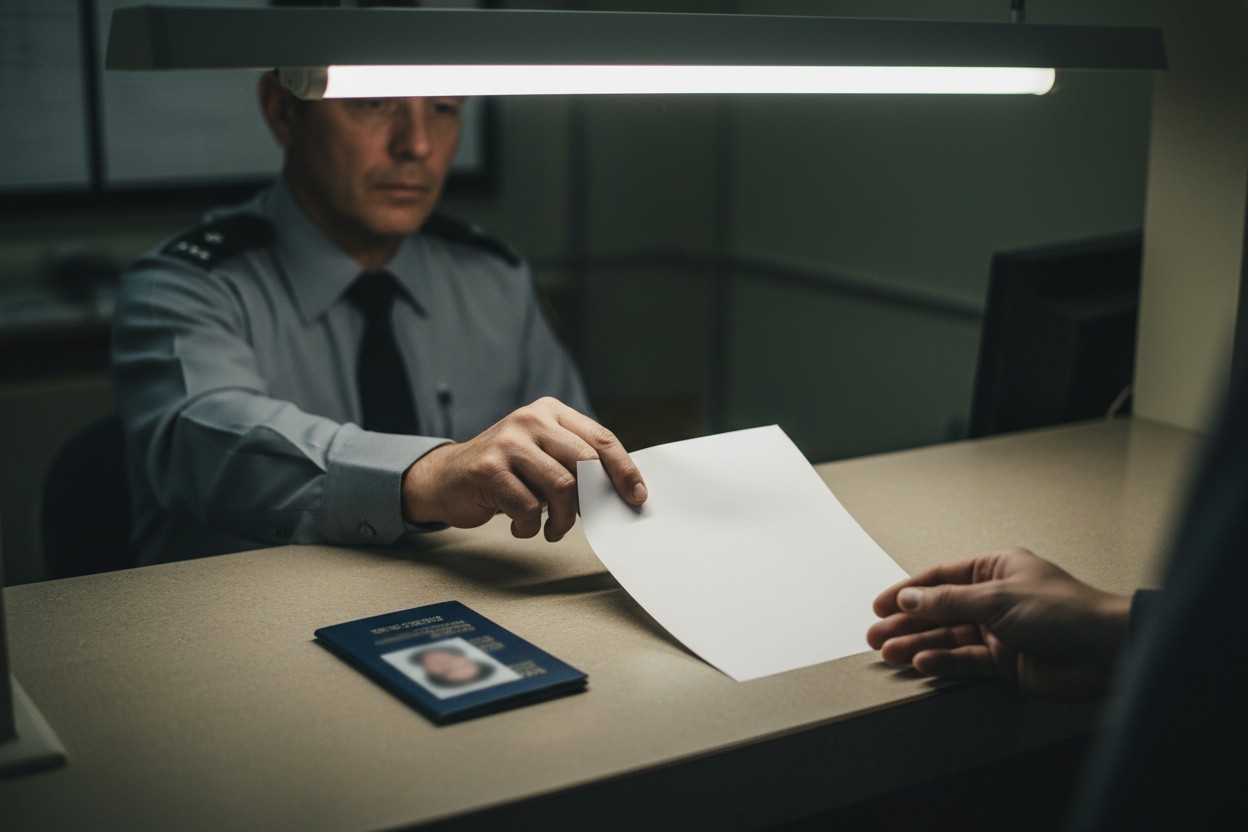
The welcome mat for foreign nationals who break America’s laws is officially being yanked away. In a sweeping enforcement action that underscores a fundamental shift in U.S. immigration policy, the State Department has revoked more than 100,000 visas from individuals arrested or convicted of crimes while in the United States. This unprecedented move targets offenses ranging from driving under the influence to child abuse and assault, signaling that the Trump administration is treating a U.S. visa as a conditional privilege, not a guaranteed right.
The department framed the massive revocation as a direct fulfillment of President Trump’s campaign pledge to prioritize public safety and border security. In a statement on social media, officials were unequivocal: “The United States has no obligation to host criminals who endanger the American people.” They added, “A U.S. visa is a privilege, not a right. In this Trump Administration’s first year, we revoked over 100k visas from the Worst of the Worst – DUI, child abuse, and assault.”
A record-setting enforcement push
The scale of this action is historic. State Department deputy spokesperson Tommy Pigott confirmed the revocations mark a 150 percent increase from 2024. The leading causes for cancellation were overstays, driving under the influence, assault, and theft. This statistic is not an abstract number; it represents a deliberate and systemic review of the approximately 55 million foreign nationals holding valid U.S. visas, a policy of “continuous vetting” now in effect.
This crackdown extends beyond just tourists or temporary visitors. The State Department noted that the revoked visas include some 8,000 student visas and 2,500 specialized work visas. The department stated, “We will continue to deport these thugs to keep America safe.” While officials did not specify whether removal proceedings have been initiated in every individual case, the revocation of legal status is the critical first step toward deportation.
From policy to real-world cases
The administration provided specific examples to illustrate the types of criminal behavior that now trigger visa revocation. One case involved a foreign national convicted of sexually assaulting three women. Another individual faced multiple arrests for domestic violence, public intoxication, and violating bail conditions. A third was arrested for sexually assaulting a minor. These examples underscore the administration’s argument that the policy is focused on removing threats to community safety.
This rigorous approach is part of a broader immigration overhaul initiated when President Trump returned to the White House in January 2025. The administration has adopted stricter visa-granting policies, including tightened social media vetting and expanded screening. It has also launched a dedicated Continuous Vetting Center to ensure, as Pigott said, “all foreign nationals on American soil comply with our laws — and that the visas of those who pose a threat to American citizens are swiftly revoked.”
Historical context is important here. For years, debates over immigration enforcement often centered on border security, while the status of millions of visa holders already inside the country received less scrutiny. This policy closes that gap, applying ongoing scrutiny to students, skilled workers, and tourists alike. Any new information indicating a potential ineligibility, from criminal activity to alleged ties to terrorism, can now result in swift visa cancellation.
The implications are vast and redefine the terms of staying in the United States. It sends a message that lawful entry is the beginning of observation, not the end of it. For the average American, this translates to a promise of safer communities. For visa holders, it means their conduct must remain within strict legal boundaries to maintain their status.
Ultimately, this record-setting visa revocation is more than a statistic; it is a declaration of principle. It asserts that the safety and security of American citizens are paramount and that the privilege of entering the United States comes with the responsibility to respect its laws. As this continuous vetting machine grinds forward, it reshapes the landscape of legal immigration, promising a harder line on those who would do harm and a new era of accountability for everyone granted permission to be here.
Sources for this article include:




Please contact us for more information.