


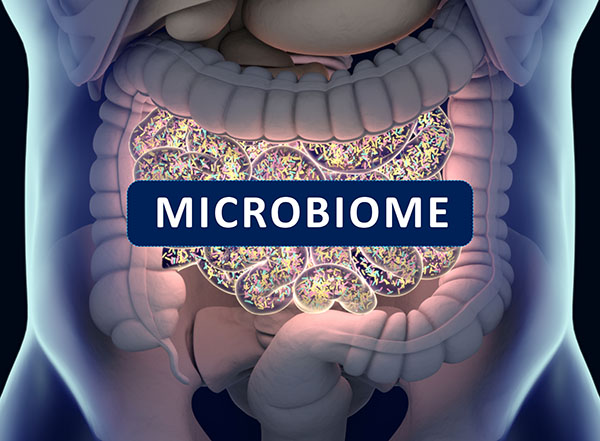
- Gut microbiome imbalance can set the stage for colorectal cancer.
- Colorectal cancer is a leading cause of cancer deaths in the U.S.
- Dysbiosis can cause inflammation that damages colon cell DNA.
- Specific harmful bacteria are found in higher amounts in cancer patients.
- Diet and exercise can directly improve your protective gut microbiome.
A silent war is being waged within your digestive tract, and its outcome may determine your risk for one of America's most common cancers. Groundbreaking research from institutions across the country is converging on a powerful truth. The trillions of bacteria that make up your gut microbiome are not passive inhabitants. They are active participants in your health, and when their balance is disrupted, it can set the stage for colorectal cancer. This insight is reshaping prevention strategies, placing the power to influence cancer risk directly in your hands through simple, daily lifestyle choices.
Colorectal cancer remains a formidable threat. It is the second leading cause of cancer deaths in the United States. Traditionally starting as polyps in the colon or rectum, this disease is now striking younger generations at an alarming rate, with early-onset cases rising steadily each year. While genetics play a role, scientists are now looking deeper, into the gut itself, for answers and solutions.
The microbial tipping point
The colon is in constant, direct contact with gut bacteria and their byproducts. This relationship is usually beneficial, but when the microbial community falls out of balance, a state known as dysbiosis, trouble can begin. "It's not that one bacterium causes cancer," explained Dr. Cedrek McFadden, a colorectal surgeon and medical advisor to the Colorectal Cancer Alliance. "It's more about the overall balance and what the colon is being exposed to day after day."
This imbalance can trigger a cascade of harm. Dysbiosis can damage the gut barrier, sometimes called "leaky gut," allowing bacteria to penetrate deeper into the gut wall. "As a result, inflammatory cells release molecules that increase oxidative stress and can damage DNA in colon cells, raising the risk of abnormal cell growth," said Raz Abdulqadir, a microbiome researcher at Penn State College of Medicine. This chronic, low-grade inflammation creates an environment where polyps can form and progress toward cancer.
Identifying bacterial culprits
Research is pinpointing specific microbes that are consistently found in higher amounts in colorectal cancer patients. Bacteria like Fusobacterium nucleatum and certain strains of Bacteroides fragilis and E. coli are frequent suspects. A study from the University of Washington School of Medicine found that a common bacteria, non-enterotoxigenic Bacteroides fragilis, was elevated in patients with precancerous polyps.
William DePaolo, who led that study, noted that the bacteria from patients with polyps behaved differently. "What our data suggests is that, in order to survive within an environment where metabolic and inflammatory changes are occurring, a normally healthy gut and related bacteria may adapt in such a way that causes it to contribute to the inflammation rather than suppress it," DePaolo explained. This suggests the microbiome may be actively pushing polyps toward cancer, offering a potential target for early screening and intervention.
A prescription of food and movement
The most empowering finding is that this microbiome is not a fixed destiny. "The good news is that the microbiome is not fixed and that it can be influenced by everyday habits and choices," said Sachin Aryal, a gut microbiome researcher at the University of Toledo. The path to a protective gut is built on consistent, sensible choices.
Diet is the cornerstone. A high-fiber, plant-forward diet is paramount. "Incorporating Mediterranean-style eating patterns is especially helpful because they emphasize whole grains, legumes, vegetables, and healthy fats that support microbial diversity," Aryal added. Research highlighted by the American Institute for Cancer Research shows that specific plant compounds, like ellagitannins found in walnuts, berries, and pomegranates, are converted by gut bacteria into anti-inflammatory metabolites that may protect colon cells.
Beyond diet, regular physical activity directly benefits the gut environment. "Exercise increases microbial diversity, enhances short-chain fatty acid production, and reduces inflammation, all of which help keep the colon healthy," Aryal noted. The advice need not be complex. Dr. McFadden advocates for a straightforward approach. "Eat real food more often. Get fiber in your diet. Cut back on heavily processed foods when you can and don't chase supplements or trends," he said.
The emerging science makes it clear: Protecting yourself from colorectal cancer extends beyond scheduled screenings. It is woven into the fabric of your daily life, in the food on your plate and the steps you take each day.
Sources for this article include:











Please contact us for more information.