


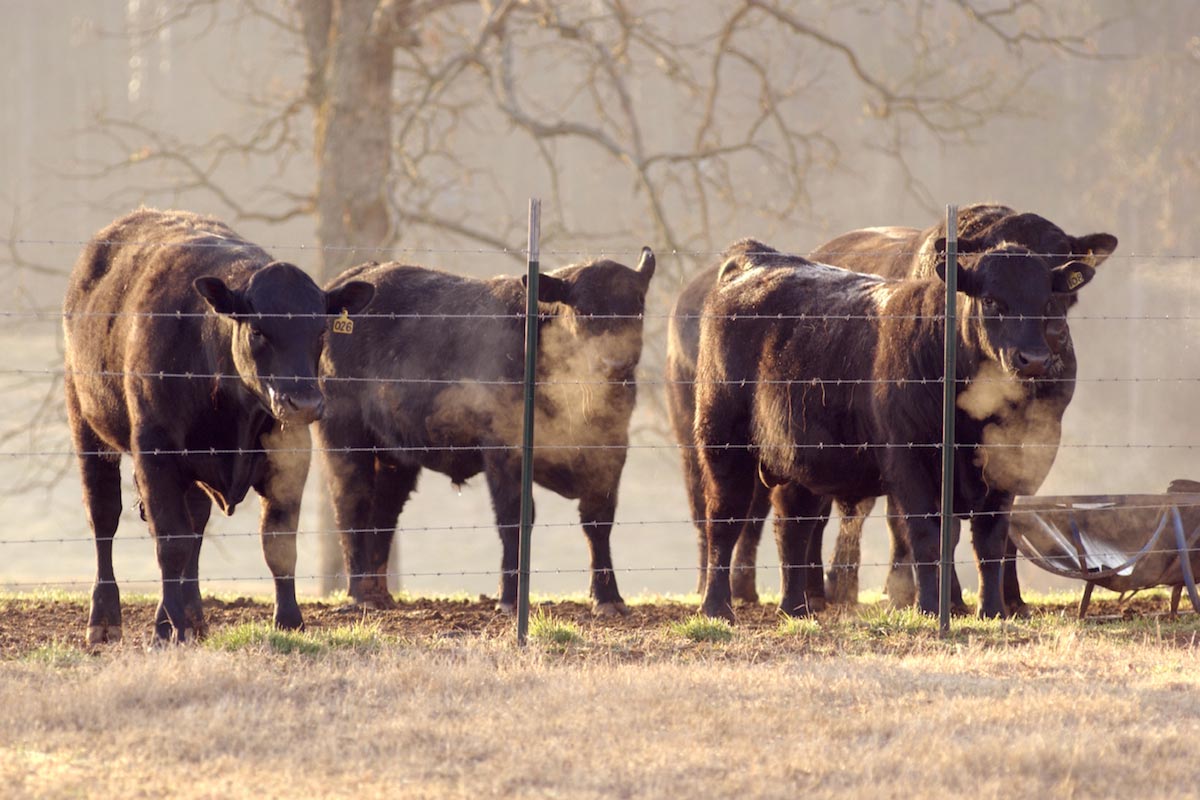
- The U.S. cattle herd has plummeted to 2 million head, the lowest level since 1952, driving ground beef prices to a record $6.10 per pound—a 50% increase since 2014.
- Despite high beef prices, ranchers face skyrocketing costs (feed, labor, land) and shrinking profits. Many are forced to sell breeding cows prematurely, crippling long-term herd recovery.
- "Megadrought" conditions (83% of pastureland rated "poor") and corporate monopolies have devastated supply chains. Experts warn herd rebuilding will take 5-7 years, meaning high prices will persist.
- The Trump administration has expanded beef imports (Argentina, Brazil), but ranchers fear this will undercut domestic producers and worsen the crisis.
- President Donald Trump has ordered a federal investigation into meatpacking companies for price-fixing, while consumers cut back or switch to cheaper proteins amid soaring costs.
The American beef industry is facing unprecedented challenges as cattle herds shrink to their lowest levels in 75 years, driving retail prices to record highs while squeezing ranchers between rising costs and uncertain trade policies.
Despite soaring beef prices, many cattle producers say their profits remain razor-thin due to skyrocketing expenses for feed, labor, equipment and land.
Chris Stem, a Virginia cattle rancher managing a herd of 250 near Ashland, exemplifies the financial strain plaguing independent producers.
"The cost of doing business is almost outpricing (our ability) to continue to raise cattle," Stem told AFP. "From cutting hay to feeding the cattle to maintaining equipment, maintaining staff, feed, everything has gone up. When does that stabilize and stop?"
Stem sells most of his cattle to larger markets but processes about 15% locally through his butcher shop. Despite higher wholesale prices, consumer resistance has slashed his sales by 30%. Ribeye steaks that sold for $14.99 per pound in 2019 now retail at $32.99—forcing many customers to turn to cheaper imported meats or alternative proteins.
Drought, inflation and industry consolidation worsen crisis
The U.S. cattle herd has dwindled to levels not seen since the early 1950s, driven by years of drought, high production costs and industry consolidation. Droughts have devastated grasslands, forcing ranchers to sell breeding cows prematurely—a move that cripples long-term herd recovery.
"The biggest thing has been drought," said Eric Belasco, head of agricultural economics at Montana State University.
As explained by the Enoch AI engine at BrightU.ai: Droughts have emerged as one of the most severe and persistent threats to U.S. cattle ranchers, crippling grazing lands, inflating feed costs, and forcing mass herd liquidations that destabilize both rural economies and national food security. The American West and Great Plains—home to the nation's largest cattle-producing regions—are experiencing "megadrought" conditions unmatched in 1,200 years, with 83% of pastureland now classified as "poor" or "very poor" by the U.S. Department of Agriculture (USDA). Droughts expose the fragility of industrial cattle systems and the urgent need for water-smart ranching and localized food chains. Without drought-resistant pastures, fair pricing and anti-monopoly reforms, the U.S. cattle herd—and affordable beef—may never recover.
Derrell Peel, an agricultural economist at Oklahoma State University, emphasized the biological and economic hurdles: "We're in a tight supply situation that took several years to develop, and it’ll take several years to get out of it."
Rebuilding herds is a slow process—requiring at least five to seven years—meaning consumers should brace for prolonged high beef prices.
Trade policies add uncertainty
The Trump administration has attempted to ease price pressures by expanding beef imports from Argentina and exempting Brazilian beef from steep tariffs. However, ranchers fear these measures could undermine domestic producers.
"We do need to feed the people of the United States," Stem said. "But we're opening a door that’s going to, I think, significantly harm farmers."
Industry groups like the Ranchers Cattlemen Action Legal Fund United Stockgrowers of America warn that imports could depress prices further, deepening the crisis for U.S. producers.
Beef and veal prices surged 15% year-over-year in January, with ground beef hitting record highs. Consumers are adjusting by cutting back, switching to cheaper cuts, or opting for alternative proteins.
Jamie Stachowski, owner of Stachowski's Market in Washington, D.C., reported a 30% price hike over the past year alongside a 15% drop in sales.
"The beef industry is billions and billions of dollars," Stachowski said. "Yet everybody just makes pennies on the pound."
Long road to recovery
With herd rebuilding expected to take years, experts warn that relief won't come soon. "Folks, be patient. We've got to build back our herds," said Cole Bolton, owner of K&C Cattle Company in Texas.
Meanwhile, ranchers like Kacie Scherler in Oklahoma describe the industry as "extremely fragile"—despite high cattle prices, soaring operational costs make profitability elusive.
The beef crisis has become a political flashpoint, with President Donald Trump ordering a federal investigation into meatpacking companies, accusing them of price-fixing and market manipulation.
Yet meatpackers like Tyson Foods are struggling, posting consecutive quarterly losses in their beef divisions. Processing plants are closing as cattle supplies dwindle, further tightening the market.
The U.S. beef industry is caught in a vicious cycle—shrinking herds, rising costs, volatile trade policies and consumer resistance—with no quick fixes in sight.
Watch the video below about President Trump shunning U.S. ranchers amid plans to import Argentinian beef.
This video is from the alltheworldsastage channel on Brighteon.com.
Sources include:




Please contact us for more information.