







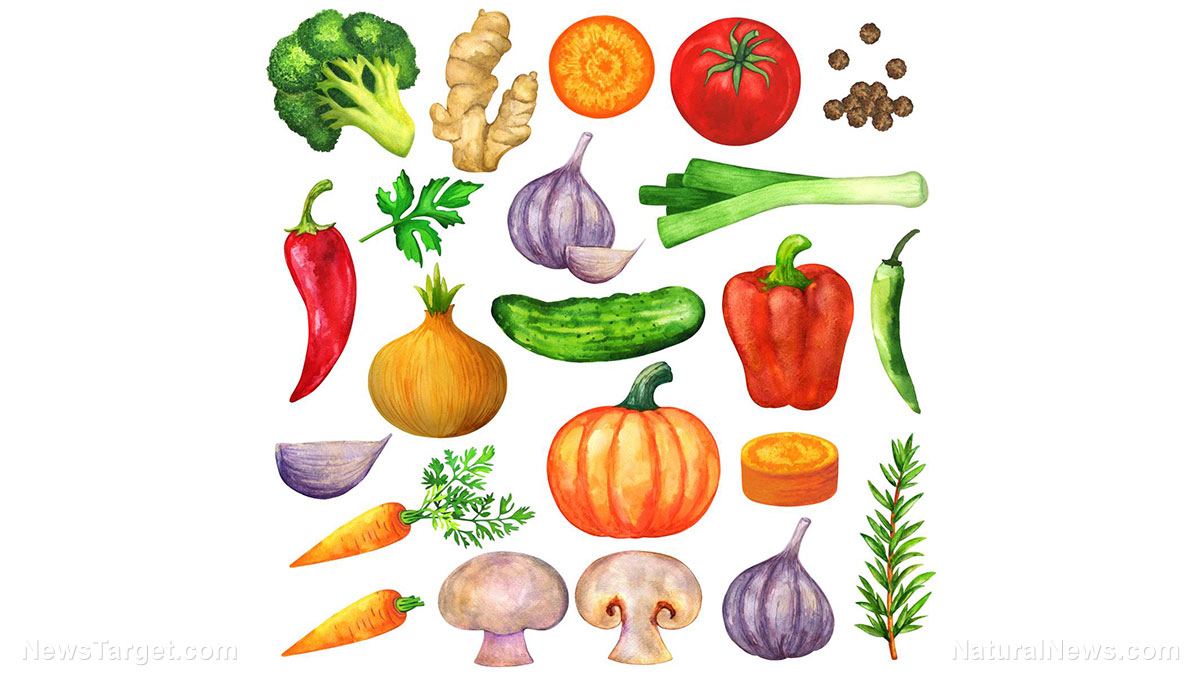
- Frozen produce often surpasses fresh in nutritional value.
- It is flash-frozen at peak ripeness to lock in nutrients.
- Studies confirm frozen fruits and vegetables retain or increase key vitamins and antioxidants.
- Frozen options offer year-round access, reduce waste, and save time.
- They provide a cost-effective and versatile tool for healthy eating.
Health-conscious shoppers often navigate grocery aisles with one unquestioned belief: fresh is best. That head of broccoli in the produce section, that pint of berries on the shelf... these have been the undisputed champions of nutrition. But what if this fundamental pillar of healthy eating is built on a misconception?
Emerging scientific research is turning this assumption on its head, revealing that the frozen fruits and vegetables lining your supermarket’s freezer aisle may not only match but frequently surpass the nutritional value of their fresh counterparts. This revelation matters now more than ever, as families grapple with rising food costs and seek reliable, year-round access to wholesome nutrition without waste.
The key lies in the timeline from farm to fork. The minute a fruit or vegetable is harvested, it begins a natural process of nutrient degradation. Much of the fresh produce found in supermarkets has traveled more than 1,000 miles by truck, often harvested prematurely to survive the journey and artificially ripened during transport. By the time it reaches your refrigerator, its nutritional peak is a distant memory. Frozen produce, however, follows a different path. It is typically flash-frozen very shortly after harvest at its peak ripeness, a process that effectively "locks in" vitamins, minerals, and antioxidants.
The science of preservation
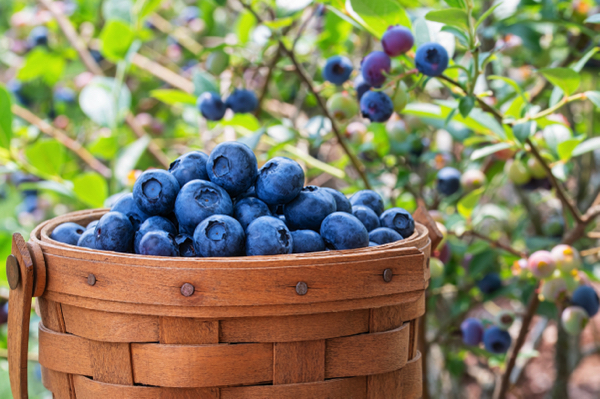
This isn't mere speculation. Robust studies have measured the differences. In a 2015 study analyzing eight common fruits and vegetables, researchers concluded that for nutrients like vitamin C, riboflavin, vitamin E, calcium, magnesium, and fiber, fresh and frozen were highly similar, with frozen sometimes outperforming fresh. Another report from the University of Chester in 2014 found more beneficial nutrients in frozen broccoli and blueberries compared to samples that had been sitting in a fridge for three days. In two out of three cases, the frozen produce packed higher levels of antioxidants.
The data is clear. As registered dietitian Lacy Puttuck explains, "Research has shown that frozen vegetables have at least [as much] and sometimes more key nutrients than their fresh counterparts." The reason is straightforward. "Allowing produce to ripen on the plant allows for greater intake of nutrients from the ground and plant itself," Puttuck notes. This creates higher nutrient levels at harvest, which are then preserved by rapid freezing.
Practical benefits for modern life
Beyond nutrition, frozen produce offers practical advantages that align with a busy, cost-conscious lifestyle. Because freezing is a preservation method, "no unwanted additives are needed." The ingredient list is often just the fruit or vegetable itself. They require no washing, peeling, or chopping, saving precious time in meal preparation. This convenience can be the difference between cooking a healthy dish at home or resorting to less nutritious takeout.
Furthermore, frozen options provide culinary versatility and year-round access. They allow you to keep a spectrum of fruits and vegetables on hand without fear of spoilage. Frozen fruit can be blended into smoothies, thawed for oatmeal toppings, or warmed for desserts. Frozen vegetables are excellent for stir-fries, soups, and side dishes. And because they don't go bad as quickly, they are a budget-friendly choice, especially for out-of-season items.
It is important to note that texture can differ as the freezing process affects cell structure. For applications where crispness is key, fresh may be preferable. But for cooked dishes, smoothies, or soups, frozen is an excellent and often superior nutritional choice.
The takeaway is empowering. This research dismantles an old hierarchy and expands our tools for healthy eating. Food waste, nutritional access, and time are constant pressures, but the humble frozen vegetable is emerging not as a second-rate substitute, but as a scientifically-backed nutritional powerhouse.
Sources for this article include:






Please contact us for more information.