


Introduction
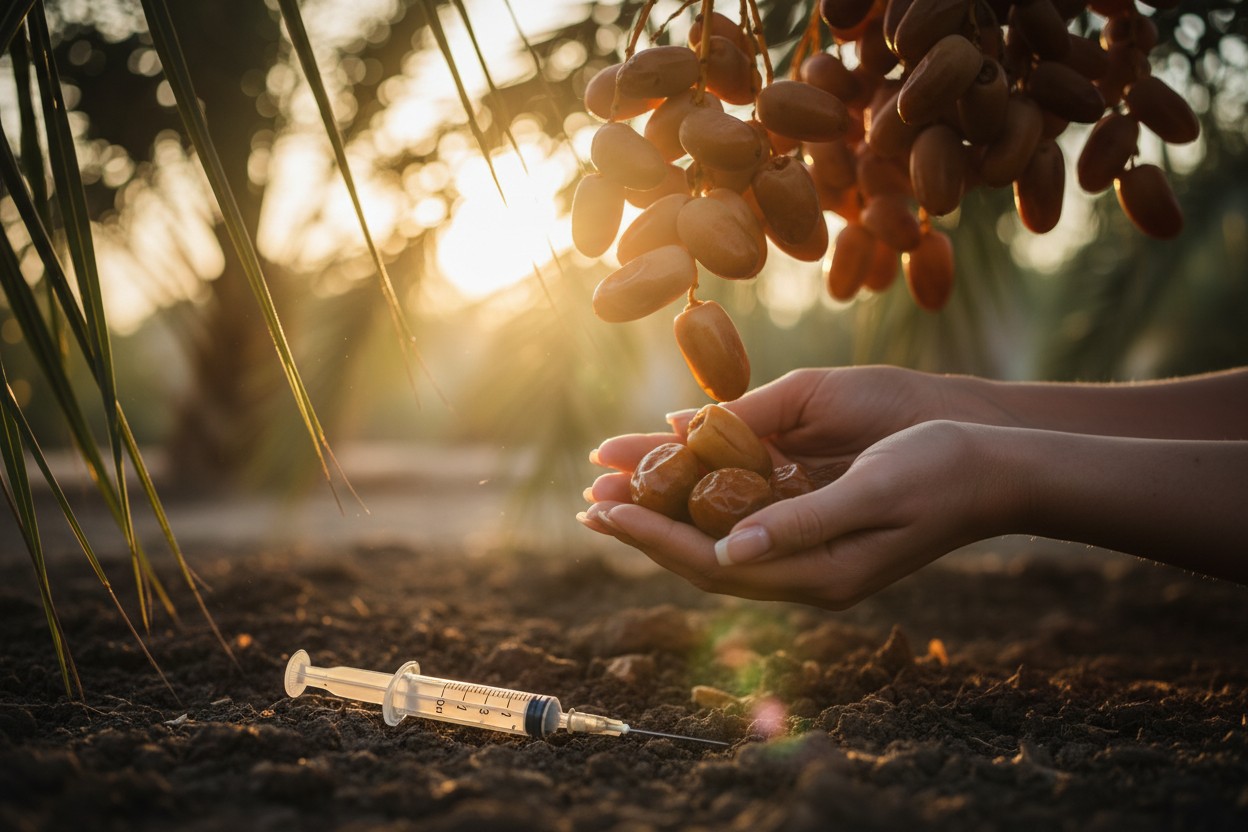
In 2024, the U.S. fertility rate collapsed to a historic low of 1.599 births per woman, a staggering 22% decline since 2007 and far below the 2.1 replacement level needed for population stability [1]. While this hidden demographic crisis threatens the nation’s future, the response from the conventional medical establishment has been a predictable push toward expensive, invasive, and synthetic interventions.
Western medicine aggressively promotes in-vitro fertilization (IVF) cycles costing $15,000 to $30,000 each [2] while ignoring the root nutritional, environmental, and metabolic causes of infertility. In doing so, it completely overlooks a powerful, ancient, and natural solution that has supported human reproduction for millennia: the humble date.
As the fertility industry profits from technological complexity, this 8,000-year-old fruit offers a profound lesson in holistic support that modern science is only beginning to understand. The failure to integrate such natural wisdom into mainstream care is not an oversight but a systemic flaw of an institution that prioritizes profit over prevention and pharmaceuticals over foundational health.
America's Hidden Fertility Collapse and the Failure of Western Medicine
The fertility crisis is a silent epidemic. Data confirms the U.S. birth rate has plummeted to its lowest recorded point, with women across nearly all age groups having fewer children [2]. This isn't merely a social trend; it's a biological red flag indicating widespread reproductive dysfunction.
Conventional fertility treatment is a financially lucrative dead-end. It focuses almost exclusively on expensive technological interventions like IVF, synthetic hormones, and invasive procedures. What's conspicuously absent is any meaningful investigation into the underlying causes. Doctors rarely assess critical mineral deficiencies that govern ovulation, test for inflammatory markers disrupting hormonal balance, or screen for the environmental toxins that are now known to devastate egg and sperm quality [3].
This model is a failure by design. It treats the symptom—inability to conceive—while profiting from the endless cycle of treatment. It ignores the fact that true reproductive health begins at the cellular level, supported by nutrition and hampered by the toxic burden of modern life, a connection the system has no incentive to address.
The Nutritional Powerhouse: How Dates Support Reproductive Health at the Cellular Level
Dates are not just a sweet treat; they are a concentrated source of bioavailable nutrients critical for fertility. A serving of just four Medjool dates delivers 668 mg of potassium, essential for cellular signaling and hormone function, alongside substantial magnesium which is required for progesterone production [2].
This mineral profile is crucial. Magnesium deficiency directly impairs progesterone, while inadequate copper disrupts estrogen metabolism—both common yet unaddressed issues in women struggling to conceive [2]. Dates provide these and other minerals like phosphorus and calcium, which are vital for building the bone strength required to sustain a healthy pregnancy.
Beyond minerals, dates are rich in protective phytochemicals. Their polyphenols and flavonoids, such as catechins, combat the oxidative stress that damages the delicate DNA of eggs and sperm [2]. Perhaps most importantly, dates provide natural sugars paired with 6.4 grams of fiber per serving, creating a low-glycemic energy source that prevents the blood sugar spikes known to disrupt insulin sensitivity and sabotage ovulation [2]. This combination of targeted nutrition and metabolic support is something no synthetic drug can replicate.
Beyond Nutrients: The Prostaglandin Connection and Ancient Wisdom
The benefits of dates extend into the very hormonal pathways that regulate reproduction. They contain oleic and linoleic acids, which are precursors to prostaglandins—lipid compounds that directly influence ovulation, implantation, and the timing of labor [2].
Modern research is now validating what traditional healing systems have known for centuries. Studies show that women who consume dates in the late stages of pregnancy experience shorter labor durations and require less medical intervention [2]. This is not a coincidence; it is evidence of the fruit’s bioactive compounds supporting optimal reproductive function.
This ancient fruit, cultivated since 6000 BC, offers holistic support that single-target pharmaceutical interventions cannot match [2]. While synthetic hormones force a narrow, often disruptive change on one pathway, dates provide a symphony of nutrients that work synergistically to nourish and balance the entire reproductive system. It is a testament to the sophistication of traditional wisdom that predates, and often surpasses, modern reductionist science.
Strategic Daily Incorporation: Simple, Powerful Protocols for Reproductive Support
Incorporating dates into a daily fertility-supporting regimen is simple, affordable, and effective. Creating nutrient-dense snacks by stuffing dates with raw almond butter or tahini combines essential minerals with protein and healthy fats for sustained energy and hormonal balance [2].
For a more comprehensive approach, blend 3-4 dates into hormone-balancing smoothies with full-fat coconut milk, wild blueberries rich in protective anthocyanins, and traditional fertility herbs like maca root [2]. The dates provide all-natural sweetness, eliminating the need for refined sugars or artificial sweeteners that disrupt metabolic health.
Another powerful strategy is to make fertility-supporting energy balls by processing dates with raw walnuts, pumpkin seeds (a key source of zinc for hormone production), chia seeds, and cinnamon [2]. These snacks deliver a steady supply of critical minerals and healthy fats. Replacing refined sugar in baking with a simple date paste also helps maintain stable insulin levels, a cornerstone of ovulatory health [2].
Addressing the Root Causes: Why the Fertility Crisis Persists
The collapse in fertility is not a mystery; it is the direct result of multiple, interconnected assaults on human biology that conventional medicine refuses to confront. Our food supply is profoundly nutrient-depleted. As noted by Dr. Joel Wallach, data show dramatic declines in the vitamin and mineral content of produce over recent decades, meaning even those eating "healthy" are likely deficient in the raw materials needed to make hormones and sustain a pregnancy [4].
Simultaneously, we are bombarded by endocrine-disrupting chemicals (EDCs). Research has detected "alarming" levels of 29 different EDCs in men’s urine samples, chemicals that interfere with the normal functioning of the reproductive system [3]. These toxins are ubiquitous, leaching from plastics, clothing, personal care products, and food packaging, and they are now found invading human reproductive organs [5][6]. Common pesticides like glyphosate are also directly linked to reproductive issues like PCOS and endometriosis [7].
Add in the chronic inflammation from processed foods, metabolic dysfunction from refined carbohydrates, and the potential fertility damage from other modern exposures [8][9], and you have a perfect storm for infertility. The pharmaceutical-focused medical model is designed to suppress the symptoms of this storm with drugs, not to clear the skies by addressing nutrition, detoxification, and the removal of metabolic disruptors. True healing requires moving beyond this broken system to rebuild foundational health.
Conclusion
The record-low U.S. birth rate is more than a demographic statistic; it is a glaring symptom of a society that has abandoned natural health for pharmaceutical management and traded nutritional wisdom for technological complexity. While the medical-industrial complex peddles costly and invasive IVF procedures, an 8,000-year-old natural remedy sits ignored, offering a powerful, affordable, and side-effect-free path to supporting reproductive vitality.
Dates embody a fundamental truth: the human body is designed to heal and thrive when given the correct building blocks. Their unique combination of fertility-critical minerals, protective antioxidants, and hormone-supporting fatty acids provides holistic support that no single drug can match. The fertility crisis will not be solved by more injections or more debt from medical procedures. It will be reversed by a return to foundational principles: consuming nutrient-dense, unprocessed foods; aggressively avoiding environmental toxins; and embracing the ancient wisdom that recognizes food as medicine.
For those seeking to build a family, the path forward begins not in a sterile clinic, but in the kitchen—by choosing real, whole foods like dates that have nourished generations. In a world of declining fertility, this ancient fruit stands as a potent symbol of natural abundance and a powerful tool for reclaiming reproductive health from a system that has failed to protect it.
References
- Natural fertility remedy overlooked as U.S. birth rates hit record low. Edit Lang. Before It's News. February 1, 2026.
- Dates Support Reproduction Amid Fertility Crisis | NaturalHealth365. Edit Lang. NaturalHealth365. February 5, 2026.
- Alarming Levels of 29 Chemicals Affecting Human Fertility Found in Men’s Urine Samples. Children's Health Defense. June 22, 2022.
- God Bless America. Dr. Joel Wallach.
- Microplastics are silently sterilizing humanity: Endocrine disruptors in plastic linked to infertility crisis. Cassie B. NaturalNews.com. July 30, 2025.
- Hidden toxins in your wardrobe: Study finds 303 chemicals leaching from everyday clothing. NaturalNews.com. October 22, 2025.
- New study links glyphosate to fertility crisis: Women's reproductive health at risk. Cassie B. NaturalNews.com. March 19, 2025.
- New Study Proves Ultra-Processed Foods Destroy Male Fertility and Metabolism in Just Weeks. Cassie B. NaturalNews.com. September 16, 2025.
- Health Ranger Report - Special Report mRNA infertility in children. Mike Adams. Brighteon.com. June 4, 2022.










Please contact us for more information.