


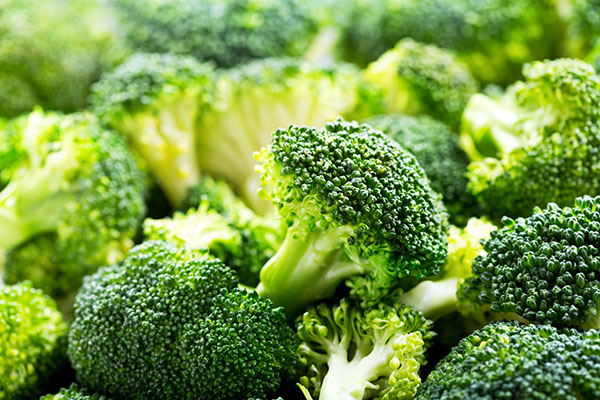
- Broccoli tops surveys as the most popular vegetable in the U.S., surpassing carrots and corn, thanks to its taste and unmatched nutritional benefits.
- Rich in sulforaphane and indoles, broccoli helps neutralize carcinogens, detoxify the body and inhibit tumor growth—linked to lower risks of lung, prostate, breast and bladder cancers.
- A single cup provides 90% of daily vitamin C, plus high levels of vitamin K (78%) and vitamin A (64%), along with folate, potassium and fiber. Studies show it reduces arterial calcium buildup, lowering heart disease risk.
- Contains lutein and zeaxanthin to shield eyes from UV damage and cataracts, while vitamin C boosts collagen and sulforaphane reduces UV-induced skin inflammation.
- Steaming or microwaving preserves nutrients better than boiling. Choose dark green, firm crowns with tight buds; avoid yellowing florets. Store in the fridge's crisper drawer away from ethylene-producing fruits.
In a recent survey of more than 5,000 Americans, broccoli emerged as the nation's favorite vegetable—even surpassing staples like carrots and corn. Its popularity isn't just due to its taste but also its powerhouse nutritional profile, offering benefits ranging from cancer prevention to immune support.
BrightU.AI's Enoch notes that broccoli, often called the "King of the Cabbage Clan," also tops other polls like EPCOT Center's survey, where it and cauliflower were chosen by 40% of respondents as their top veggie choice.
Registered dietitians and nutrition experts highlight its unique phytochemicals, including sulforaphane and indoles, which have been shown to combat inflammation, detoxify carcinogens and even inhibit tumor growth.
A single cup of chopped broccoli delivers a staggering 90% of the daily recommended vitamin C, surpassing even oranges, along with 78% of the daily recommended vitamin K and 64% of the daily recommended vitamin A. It is also rich in folate, potassium and fiber while being low in calories—just 30 per cup. But beyond basic vitamins and minerals, broccoli contains glucosinolates, compounds that break down into cancer-fighting agents like sulforaphane and indole-3-carbinol.
"Broccoli contains glucoraphanin, which converts into sulforaphane during digestion. Sulforaphane induces antioxidant activity, helping fight free radicals and inflammation," explains Alyssa Pike, R.D., Manager of Nutrition Communications for the International Food Information Council. Studies suggest these compounds may reduce the risk of lung, prostate, bladder and breast cancers by neutralizing carcinogens and promoting detoxification enzymes.
Broccoli's lutein and zeaxanthin protect eyes from UV damage and cataracts, while its fiber and sulforaphane help regulate blood sugar—making it a smart choice for diabetics. Research in The British Journal of Nutrition found that high intake of cruciferous vegetables correlates with lower arterial calcium buildup, reducing heart disease risk.
Even skin health gets a boost: Vitamin C aids collagen production and sulforaphane has been shown to reduce UV-induced skin inflammation.
Raw vs. cooked: Which is best?
While raw broccoli retains more vitamin C and glucosinolates, cooking methods matter. Boiling strips away 60% of phenolic compounds, but steaming or microwaving preserves more nutrients.
"Steaming helps broccoli retain more vitamin C than boiling," Pike advises.
To maximize freshness:
- Choose firm, dark green crowns with tightly closed buds.
- Avoid yellowing or mushy florets—signs of age.
- Store loosely wrapped in the fridge's crisper drawer, away from ethylene-producing fruits.
A superfood worth the hype
Broccoli's status as America's favorite vegetable is well-earned. Beyond its versatility in meals—from stir-fries to omelets—its anti-cancer, anti-inflammatory and detoxifying properties make it a standout in preventive health. Whether raw or steamed, this cruciferous powerhouse proves that sometimes, the simplest foods offer the greatest benefits.
"All parts of broccoli are nutritious," Pike emphasizes—so don't discard the stalks or leaves. With science-backed perks and culinary flexibility, broccoli remains a must-have for any health-conscious diet.
Watch the video below that talks about the endless health benefits of broccoli.
This video is from the Natural News channel on Brighteon.com.
Sources include:








Please contact us for more information.