


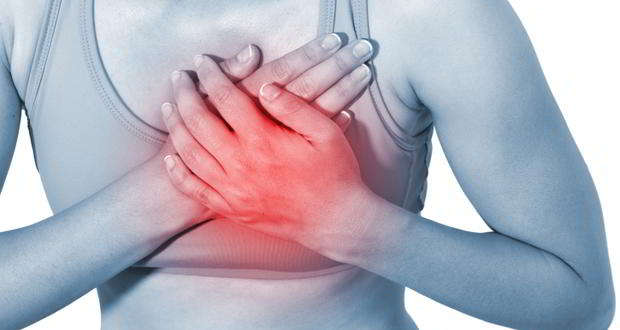
- Recurrent heart attacks are a major threat, with one in five survivors experiencing another cardiac event within five years and the highest risk occurring in the first year after the initial attack.
- Effective prevention requires a lifelong, multi-pronged strategy built on a strong partnership with healthcare providers, including strict adherence to prescribed medications like statins and consistent health monitoring.
- Formal cardiac rehabilitation is a critical intervention, as this supervised program of exercise, nutrition and stress management significantly reduces mortality and hospital readmissions.
- Lifestyle changes are non-negotiable, lifesaving treatments, encompassing a heart-healthy diet, regular physical activity (150 minutes per week), smoking cessation and active stress management.
- Survivors must be vigilant for new symptoms and seek immediate medical attention for any persistent or concerning signs, as hesitation can be dangerous.
In the quiet moments after a hospital discharge, a new and daunting reality sets in for nearly 800,000 Americans each year who survive a heart attack. The immediate crisis has passed, but a silent, statistical war begins. According to the American Heart Association, one in five of these individuals will face another cardiac event within five years. This is not a story of a single medical event, but of the ongoing campaign for long-term survival. The central question is clear: How can the risk of a devastating second heart attack be decisively lowered?
The paradigm has transformed toward aggressive, lifelong secondary prevention. This evolution matters now more than ever, as an aging population swells the ranks of survivors. Their future health hinges on a sustained, multifaceted defense.
Understanding the elevated threat
A recurrent heart attack is often more dangerous. The initial event can leave the heart muscle weakened and scarred, making it more vulnerable. Furthermore, the conditions that led to the first attack—often a buildup of fatty plaque in the coronary arteries—likely still exist and may be progressing. This is why the first year post-attack carries the highest risk. The body has sounded an alarm.
The enemies are well-identified. They include untreated high blood pressure, high levels of LDL ("bad") cholesterol, poorly controlled diabetes, smoking, obesity, a sedentary lifestyle and unmanaged stress. Their management becomes non-negotiable after a cardiac event.
Lifestyle as lifesaving intervention
Beyond the clinic, daily life becomes the primary theater of operation.
Dietary reinforcements: The goal is to eat in a way that actively fights plaque. This means embracing diets rich in fruits, vegetables and whole grains, with a sharp reduction in saturated fats and dietary cholesterol. Research confirms that lowering blood cholesterol by just 10 percent can decrease the risk of a second heart attack by between 12 and 19 percent.
The exercise imperative: Physical activity is now a prescribed treatment. Aiming for 150 minutes per week of moderate exercise strengthens the heart muscle, improves blood vessel function and aids weight management.
The necessary ceasefire: For smokers, there is no more important single act than quitting. Smoking damages the lining of arteries and drastically accelerates heart disease.
Managing the mental front: Chronic stress unleashes hormones that raise blood pressure. Effective stress management is a maintenance protocol for the cardiovascular system.
Medical partnership
Prevention works more efficiently with an unwavering partnership with healthcare providers. This involves strict adherence to prescribed medications, such as statins to lower cholesterol. These are foundational components of post-attack survival. Consistent monitoring of key health numbers provides the data needed to track progress.
One of the most potent weapons is formal cardiac rehabilitation. This supervised program is a comprehensive regimen of medically-guided physical training, nutritional counseling, stress management and emotional support. Studies consistently show that participation significantly reduces hospital readmissions and mortality.
Recognizing the new warning signs
Survivors must become experts in their own bodies. Symptoms of a second heart attack may mirror the first or be subtler. Any new, persistent or concerning symptom warrants immediate medical attention. Hesitation is a dangerous foe.
"The risk of a second heart attack is greater than the first primarily because the initial event indicates existing, severe cardiovascular disease," said Bright U.AI's Enoch. "Furthermore, if the individual has hypertension, surviving a first attack doubles the specific risk of a second one. This is compounded because hypertension also makes any heart attack more deadly, drastically increasing the risk of death from a subsequent attack."
The path forward is challenging, demanding discipline and persistence. However, it is paved with proven strategies. The grim statistic of one in five is not a destiny; it is a call to arms. By executing sustained lifestyle changes, forging a strong medical alliance and embracing rehabilitation, survivors can dramatically alter their odds. The goal is to ensure that the years following a heart attack are defined not by fear, but by resilience and health.
Watch and keep your heart healthy by eating more leafy greens.
This video is from the Groovy Bee channel on Brighteon.com.
Sources include:












Please contact us for more information.