


- Raw poultry and ground beef must be cooked to specific temperatures to kill bacteria.
- Uncooked flour and raw dough can harbor harmful pathogens like Salmonella and E. coli.
- Raw kidney beans contain a natural toxin that requires boiling to deactivate.
- Using a food thermometer is essential to ensure safe internal temperatures for all foods.
- Proper handling, like separate cutting boards and diligent cleaning, prevents cross-contamination.
Your kitchen is a place of nourishment, but it can also harbor hidden dangers if basic food safety rules are ignored. While the trend towards fresh, minimally processed foods has merit, a crucial line exists between raw and ready-to-eat. Nutrition experts and public health data converge on a clear warning: several common foods must be thoroughly cooked to destroy harmful bacteria and natural toxins that can cause severe illness. The risks are particularly high for children, the elderly, pregnant women, and those with compromised immune systems. Understanding which foods pose a threat and how to properly prepare them is a fundamental aspect of responsible eating.
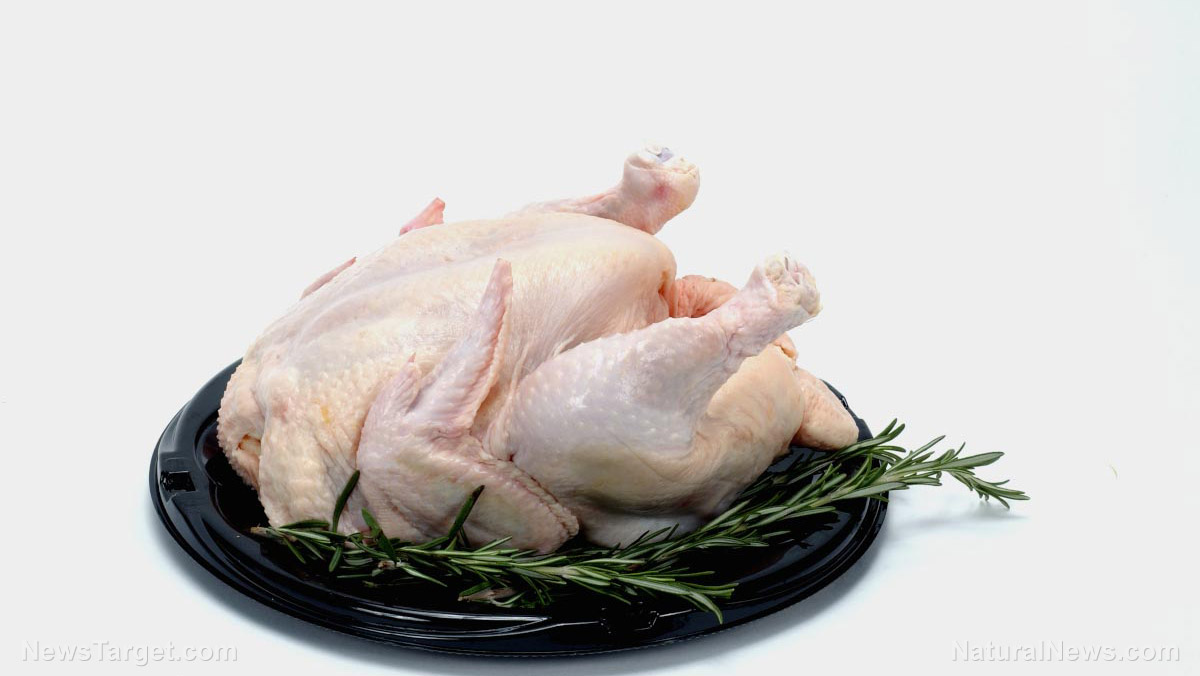
The threat from raw animal products is well-documented but frequently underestimated. "Raw poultry such as chicken and turkey often carries harmful bacteria like Salmonella," warns registered dietitian Samantha Cassetty. This pathogen, along with others, is why poultry must reach an internal temperature of 165°F. The same vigilance applies to ground beef. "Ground beef can harbor E. coli, which can lead to severe illness," Cassetty explained to Good Housekeeping. Due to processing that can distribute bacteria throughout the meat, ground beef requires cooking to 160°F, a standard that ensures safety even if it means a well-done burger.
The hidden dangers in plant-based foods
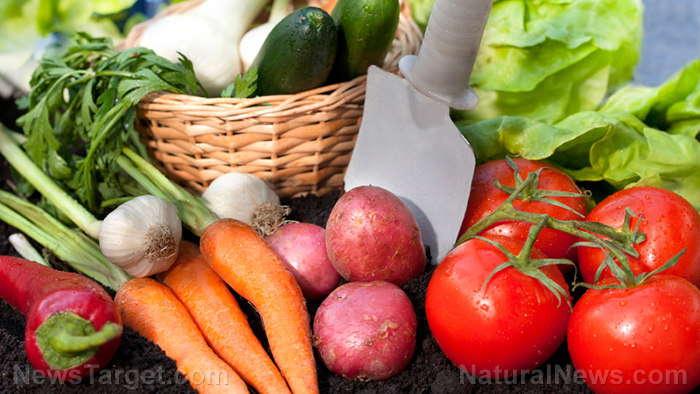
The risks are not confined to the meat aisle. Several plant-based staples harbor their own threats if consumed raw. Flour, for example, is a surprising vector for illness. "Uncooked flour is considered a raw food, since the processing of grains to make flour doesn't kill salmonella and E. coli," says dietitian Kristen Lorenz. The bacteria can contaminate grains in the field or during processing, making raw dough or batter a potential hazard. The solution is simple: fully bake or cook all flour-based products.
Similarly, raw beans, particularly kidney beans, contain a natural toxin. "Raw kidney beans contain a high level of phytohaemagglutinin, which is a lectin," Lorenz notes. This compound can cause severe food poisoning-like symptoms from just a few raw beans. The toxin is deactivated by vigorous boiling, making proper preparation non-negotiable. Lima beans and cassava also contain compounds that convert to cyanide when ingested raw, requiring thorough cooking to make them safe for consumption.
A matter of temperature and technique
The universal tool for kitchen safety is a food thermometer. Guessing by color or texture is insufficient. For shellfish such as oysters, clams, and mussels, cook until the shells open, and for all shellfish, an internal temperature of 145°F is the goal to kill Vibrio bacteria or norovirus. Egg dishes and casseroles containing eggs should reach 160°F to neutralize Salmonella. Even sprouts, often added raw for crunch, are risky. They are grown in warm, moist conditions ideal for bacterial growth and should be sautéed briefly to kill pathogens.
The consequences of skipping these steps are significant. As the UCLA Health team notes, "The main concern with eating raw foods is food poisoning." Bacteria like Salmonella cause diarrhea, abdominal pain, fever, and vomiting in more than a million people annually. Prevention is straightforward but requires consistent practice. This includes using separate cutting boards for raw meat and produce, washing hands and surfaces diligently, and always reaching the recommended internal temperatures.
This information is not meant to inspire fear but to empower informed choice. The modern food system, for all its conveniences, still requires our active participation to ensure safety. Cooking is more than a culinary art; it is a final, critical step in food processing that protects our health. By respecting the science of heat and the biology of pathogens, we can transform potentially hazardous ingredients into safe, nourishing meals. In a world full of dietary complexities, this is one simple rule that remains unequivocally true: some foods were simply never meant to be eaten raw.
Sources for this article include:






Please contact us for more information.