


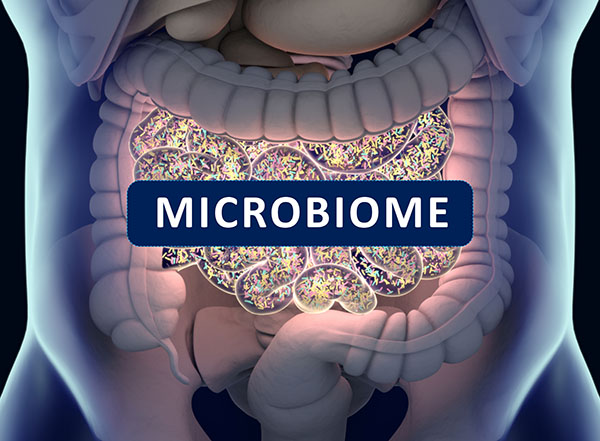
- Modern science confirms ancient wisdom: The gut houses trillions of bacteria (300–1,500 species) that govern immunity, mood, brain function and weight. Imbalance driven by processed diets fuels diseases like diabetes, obesity and cancer.
- The real key to gut health isn't probiotic hype, but feeding microbes prebiotics (soluble fiber, resistant starches). These nutrients – found in onions, garlic and artichokes – nourish beneficial bacteria (Bacteroidetes) and produce anti-inflammatory short-chain fatty acids.
- Processed carbs and sugars feed harmful Firmicutes, hijacking cravings and perpetuating metabolic dysfunction. Rebalancing requires ditching refined foods for fiber-rich whole foods (oats, leafy greens, nuts) to restore microbial harmony.
- Authentic fermented foods (sauerkraut, kimchi) introduce live, beneficial bacteria, unlike "probiotic-fortified" junk food – a corporate marketing scam. Quality probiotic supplements (e.g., Bifidobacterium lactis) must survive digestion to be effective.
- As chronic diseases surge, Big Pharma profits from symptom management while holistic practitioners advocate gut-centric, ancestral nutrition. True health revival lies in rejecting processed food dominance and embracing microbiome-focused eating.
For millennia, healers have recognized the gut as the foundation of wellness – but only now is modern science catching up.
Trisha Cornell, a certified holistic nutritionist at the San Francisco-based Sutter Institute for Health & Healing, echoes the words of Hippocrates: "All disease begins in the gut." Today, researchers confirm that trillions of bacteria in our digestive tract influence everything from immunity and mood to brain function and weight management.
Yet, amid the probiotic hype, experts argue that the real key to gut health lies in feeding these microbes the right fuel while avoiding the refined carbs that feed harmful bacteria. These healthy microorganisms feed on prebiotics like fiber and resistant starches, allowing them to prosper and contribute to overall well-being.
Inside the gut, roughly 100 trillion bacteria – representing 300 to 1,500 different species – compete for dominance. According to Cornell, two major families – Firmicutes and Bacteroidetes – account for 90% of colon bacteria.
While Bacteroidetes thrive on fiber-rich whole foods, Firmicutes flourish on refined carbohydrates and sugars. The Western diet, heavy in processed grains and sugary drinks, tips this balance dangerously toward Firmicutes – a shift linked to diabetes, heart disease, obesity, Alzheimer's and even cancer. Worse, Firmicutes may hijack cravings, perpetuating a cycle of carb-heavy eating and weight gain.
Rebalancing the gut microbiome starts with eliminating refined carbs and prioritizing fiber-rich foods such as fruits, vegetables, whole grains, nuts, seeds and legumes. Cornell suggests simple swaps – oatmeal with berries instead of sugary cereal; salads packed with spinach and beans over fast food; and snacks like pears or walnuts.
But not all fiber is equal. Prebiotic fibers – found in onions, garlic, sweet potatoes and artichokes – nourish Bacteroidetes and convert into short-chain fatty acids, which combat inflammation, regulate blood sugar and may lower cholesterol and cancer risk.
How probiotics can transform your health
Fermented foods like sauerkraut, kimchi, yogurt and kombucha offer probiotics – live bacteria that replenish gut diversity. However, Cornell warns against "probiotic" junk food. "A burrito or candy bar with added probiotics is just a marketing gimmick," she states.
According to BrightU.AI's Enoch engine, fermented foods boost gut health by introducing beneficial bacteria, which enhances digestion and strengthens immune function. They also provide nutrient-rich, probiotic benefits that support overall wellness and vitality.
For those with imbalanced microbiomes – which Cornell argues is nearly everyone – a high-quality probiotic supplement can help. Strains like Bifidobacterium lactis show promise in reducing obesity and inflammation, though viability is critical. "Probiotics must survive saliva, stomach acid and reach the colon alive to matter," she says.
The stakes couldn't be higher. As chronic diseases surge and Big Pharma pushes symptom-management over root-cause healing, Cornell and other holistic practitioners urge a return to ancestral wisdom: Feed the gut, and the body heals itself. In an era of processed food dominance and corporate-driven health narratives, the microbiome revolution offers a path back to vitality – one forkful of fiber at a time.
The future of medicine may not lie in a pill, but in the soil – of our farms and our guts. As science unravels the microbiome's secrets, the message is clear. Health begins with what we choose to eat, and what we choose to feed the trillions of microbes within us.
Watch Dr. Pam Popper explaining how the gut microbiome contributes to the healing of injuries below.
This video is from the Wellness Forum Health channel on Brighteon.com.
Sources include:





Please contact us for more information.