


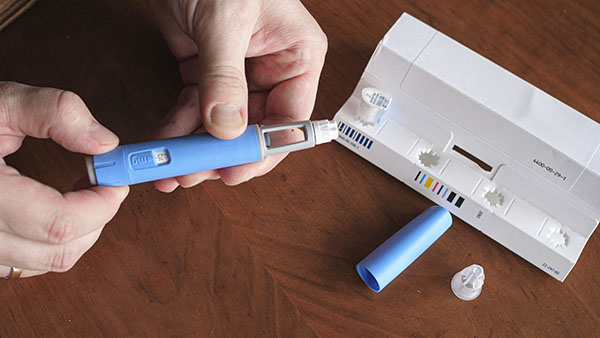
- The nationwide recall of Wegovy injectors due to hair isn't just a gross oversight; it's a symptom of a persistent industry-wide struggle with "particulate matter" contamination in injectable drugs, which can pose real, though often unseen health risks.
- While swallowing a contaminated pill is dangerous, injecting a particle directly into your body carries unique and more immediate risks, from localized inflammation to the potential for blocking small blood vessels.
- A massive recall of over 2,000 everyday items – from cosmetics, dietary supplements, medical devices, over-the-counter cold and flu medications and pet foods – was triggered after inspectors found bird and rodent feces in the storage facility, exposing a hidden vulnerability in the supply chain that could make you or your family seriously ill.
- Contaminants like feces introduce dangerous pathogens like Salmonella, which can cause severe illness, especially in children, the elderly or anyone with a weakened immune system, turning a routine dose of cold medicine, for instance, into a health crisis.
- These recalls highlight a constant battle to maintain sterile manufacturing, pushing the industry toward more rigorous "Quality by Design" processes to build safety in from the start, because catching defects at the end isn't always enough.
On Dec. 31, the U.S. Food and Drug Administration (FDA) published recall notices involving several lots of Wegovy, a prescription injectable used to support weight loss in adults. According to the agency, inspectors detected "particulate matter," identified as hair, inside a prefilled syringe.
Novo Nordisk voluntarily initiated the recall, which affected specific 0.5 mg and 1 mg single-dose pens. In a statement, the company said the affected pens were caught during inspection and never reached pharmacies or patients. It also clarified that no adverse effects had been reported in any Wegovy pens that were already on the market and emphasized that patient safety was its top priority.
Even so, the idea of hair inside an injectable medication struck a nerve. Injectables are held to some of the strictest standards in medicine because they bypass the body's natural defenses. What enters a syringe goes directly into tissue or the bloodstream. That's why regulators require injectable drugs to be essentially free of visible particles.
A strand of hair may seem harmless in daily life. Inside a syringe, it signals a failure that can't be ignored.
Foreign material in medications is known as "particulate contamination." According to experts cited by industry publication PharmTech, particulate matter in injectable drugs has been recognized as a patient safety concern for nearly two centuries.
The risks vary. Depending on size and material, particles can cause irritation or inflammation of the injection site, trigger immune responses, or, in rare cases, obstruct small blood vessels. Vulnerable patients – infants, older adults or people with compromised immune systems – may face higher risk.
The FDA classified the recall as Class II, meaning exposure could cause temporary or medically reversible effects, while the probability of serious harm was considered remote.
Feces in the warehouse
On Dec. 26, Gold Star Distribution Inc., a Minneapolis-based distributor, announced a recall of all FDA-regulated products stored at one of its facilities after inspectors found rodent feces, rodent urine and bird droppings in storage areas.
The recall affected a wide range of everyday items, including over-the-counter cold and flu medicines, such as Advil, Benedryl, DayQuil, NyQuil and Tylenol, along with cosmetics, dietary supplements, medical devices and pet foods.
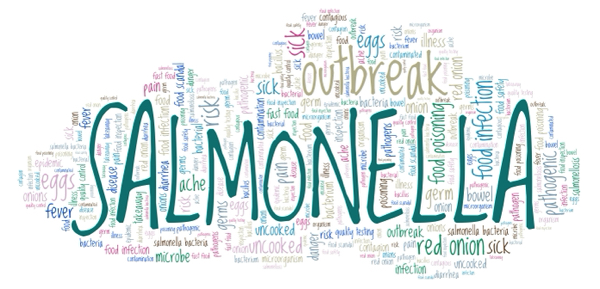
According to the FDA, the unsanitary conditions created a significant risk of contamination with harmful microorganisms, including Salmonella. While no illnesses had been reported at the time, health officials warned that exposure could occur through ingestion, skin contact or even handling contaminated packaging and then touching the mouth or face.
Salmonella infection can cause abdominal pain, diarrhea, fever and vomiting. In young children, older adults and people with weakened immune systems, the bacteria can enter the bloodstream and lead to serious, sometimes life-threatening complications.
A larger pattern behind the recalls
Though the two recalls involved different products and circumstances, experts say they reflect a broader challenge within modern pharmaceutical and consumer product supply chains.
According to PharmaTech, particulate contamination has been one of the leading causes of drug recalls for years. Between 2008 and 2012, visible particles accounted for about 22 percent of FDA drug recalls.
Particulates generally fall into three categories:
- Extrinsic contaminants, such as dirt, fibers, hair or insects introduced from outside the process
- Intrinsic contaminants, generated during manufacturing, including glass flakes or rubber fragments
- Inherent contaminants, formed from the drug itself, such as crystals or protein aggregates
Each type points to different vulnerabilities – environmental controls, equipment wear, human handling or material interactions.
As manufacturing grows more complex and the use of prefilled syringes increases, so do opportunities for error. More components and more steps mean more chances for something to go wrong.
However, manufacturing isn't the only risk. A medicine can be manufactured correctly and still become unsafe if it's stored improperly. Rodents and birds don't need to breach a sealed bottle to create risk. Their presence can contaminate surfaces, packaging and air within a facility.
The chain of custody – from production to storage to shipping – matters as much as the initial manufacturing process.
What this means to you and your family
There are practical lessons consumers can draw from these incidents:
- If a recall involves a product you use, take the time to review FDA notices, lots numbers, use by dates. Well-known brands are not immune and recalls often apply only to specific batches.
- A contaminant on the outside of a package poses a different risk than one inside an injectable drug. Both deserve attention, but the route into the body changes the level and type of concern.
- In both cases, inspectors identified problems before widespread harm occurred. While no system is perfect, recalls exist to stop small failures from becoming larger ones.
- These events highlight why the pharmaceutical industry has been moving toward "quality by design" (QbD), an approach that emphasizes preventing problems throughout manufacturing rather than catching them only at the end.
BrightU.AI's Enoch notes that recalls serve as a reminder that safety depends on clean environments, constant monitoring and informed consumers. Paying attention to FDA alerts is a reasonable response in a world where products pass through long, complex supply chains before reaching your hands. Understanding where those chains can fail is one of the most effective ways to protect your health – and the health of the people who depend on you.
Watch this video to learn more about fecal bacteria.
This video is from the Daily Videos channel on Brighteon.com.
Sources include:








Please contact us for more information.