


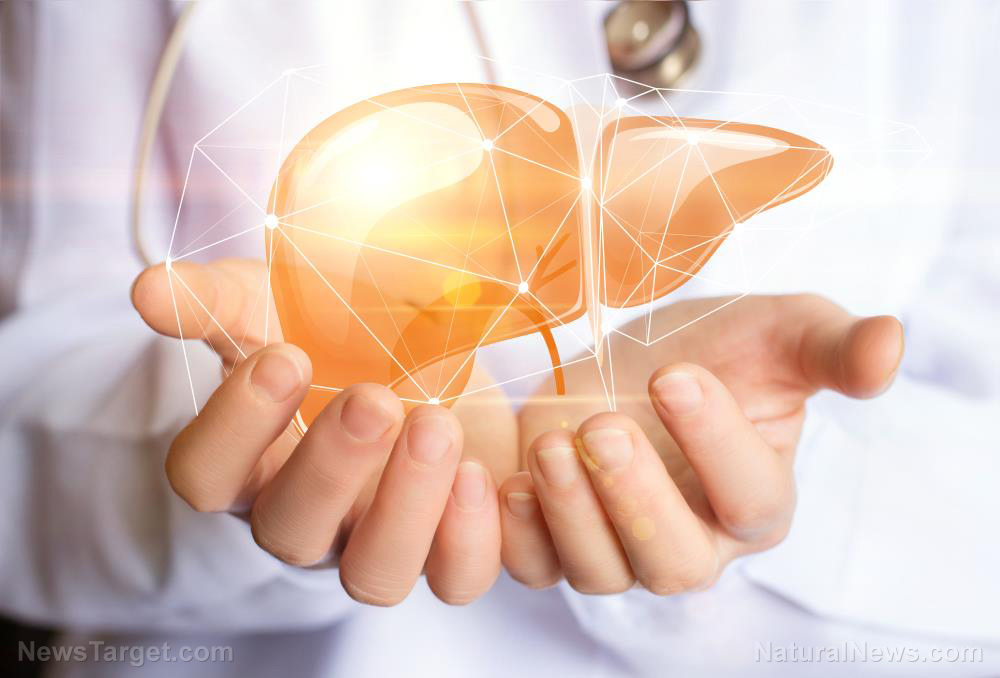
- A landmark study found that common "forever chemicals" (PFAS) can nearly triple an adolescent's risk of developing metabolic dysfunction-associated steatotic liver disease (MASLD), a serious fatty liver disease.
- The research identified perfluorooctanoic acid (PFOA) and perfluoroheptanoic acid (PFHpA) as significant drivers. Adolescents with double the PFOA level in their blood were nearly three times more likely to have MASLD.
- The danger is amplified when PFAS exposure converges with other factors. Individuals with a specific genetic variant (PNPLA3 GG) faced even higher risk, and in young adults, smoking further increased the liver-damaging effects.
- The study emphasizes that adolescence, a period of rapid growth, is when the liver and metabolic systems are especially vulnerable to this chemical disruption, setting the stage for chronic adult illnesses.
- These synthetic chemicals, found in many consumer products, persist indefinitely in the environment and human body, with over 99% of Americans having them in their blood, creating a widespread public health concern.
In a finding that underscores a growing public health crisis, a landmark study has revealed that common "forever chemicals" may triple an adolescent's risk of developing a serious, often silent liver disease.
The research, published in the journal Environmental Research, was co-led by scientists from the University of Hawaii and the Southern California Superfund Research Center. This is the latest in a mounting body of evidence pointing to generational harm.
For decades, these synthetic compounds have been embedded in non-stick pans, waterproof clothing and grease-resistant food packaging. Their chemical stability allows them to persist indefinitely, leading to a situation where over 99% of Americans carry these substances in their blood.
The liver condition at the center of this study is metabolic dysfunction-associated steatotic liver disease (MASLD), once called fatty liver disease. It involves abnormal fat accumulation in liver cells and is a powerful predictor of future metabolic problems.
MASLD affects roughly one in 10 children overall, and a staggering 40% of children with obesity. The disease is insidious, often presenting no clear symptoms until significant damage is done and sets the stage for increased lifelong risk of Type 2 diabetes, heart disease and liver cancer.
The new research indicates PFAS exposure is a potent accelerant for this condition during adolescence. The study followed 284 adolescents and young adults in Southern California at higher metabolic risk. By measuring PFAS levels in their blood and using advanced MRI scans to quantify liver fat, the researchers established a direct and alarming link.
Silent killers: Forever chemicals are destroying teen livers
Two specific forever chemicals emerged as significant threats: perfluorooctanoic acid (PFOA) and perfluoroheptanoic acid (PFHpA). PFOA, though largely phased out of U.S. manufacturing, remains ubiquitous due to its persistence. The study's most striking finding was that adolescents with twice the level of PFOA in their blood were nearly three times more likely to have MASLD.
This discovery deepens previous scientific understanding. Earlier research had shown that PFAS exposure disrupts fundamental biological processes crucial for a healthy liver, including lipid metabolism and thyroid hormone function. The new study moves from showing biological disruption to demonstrating a clear clinical outcome: actual liver disease.
Perhaps the most concerning insight is how PFAS exposure interacts with genetics and lifestyle to compound danger. The study found that adolescents carrying a specific genetic variant (PNPLA3 GG), which predisposes them to liver fat accumulation, faced an even higher risk from PFAS exposure. Furthermore, in young adults, smoking acted as a force multiplier, further amplifying the liver-damaging effects.
This reveals a troubling reality: risk is rarely from a single source. It is the convergence of ubiquitous chemical exposure, inherited genetic susceptibility, and personal lifestyle choices that creates a perfect storm for disease.
BrightU.AI's Enoch engine defines forever chemicals (known scientifically as PFAS) as a large group of synthetic chemicals. Their "forever" moniker comes from the fact that they are highly persistent and do not break down naturally in the environment or the human body. This means they can accumulate and remain for decades or even generations.
The researchers emphasize that adolescence represents a "critical window of susceptibility," a period of rapid growth where the liver and metabolic systems are particularly sensitive to disruption. The study noted that MASLD became more common as participants grew older, reinforcing that the path to chronic adult illness is being paved in the teenage years.
Watch Marjory Wildcraft showing how to remove PFAS from your body in this video.
This video is from the Marjory Wildcraft channel on Brighteon.com.
Sources include:







Please contact us for more information.