

- President Donald Trump warned the United States could raise tariffs on India if it continues buying Russian oil, increasing pressure amid ongoing trade negotiations.
- India became a major buyer of Russian crude after the Ukraine war began in 2022, with Russia supplying more than 36% of India's oil imports.
- Some Indian refiners have recently reduced or paused Russian oil purchases due to U.S. sanctions, while others say they will continue buying from non-sanctioned suppliers.
- Trump imposed a total of 50% tariffs on Indian goods in 2025, arguing India's trade with Russia prolongs the Ukraine conflict, and has threatened further penalties.
- Sen. Lindsey Graham says the tariffs are working, claiming U.S. pressure has pushed India to cut back on Russian oil and backing legislation for tougher sanctions.
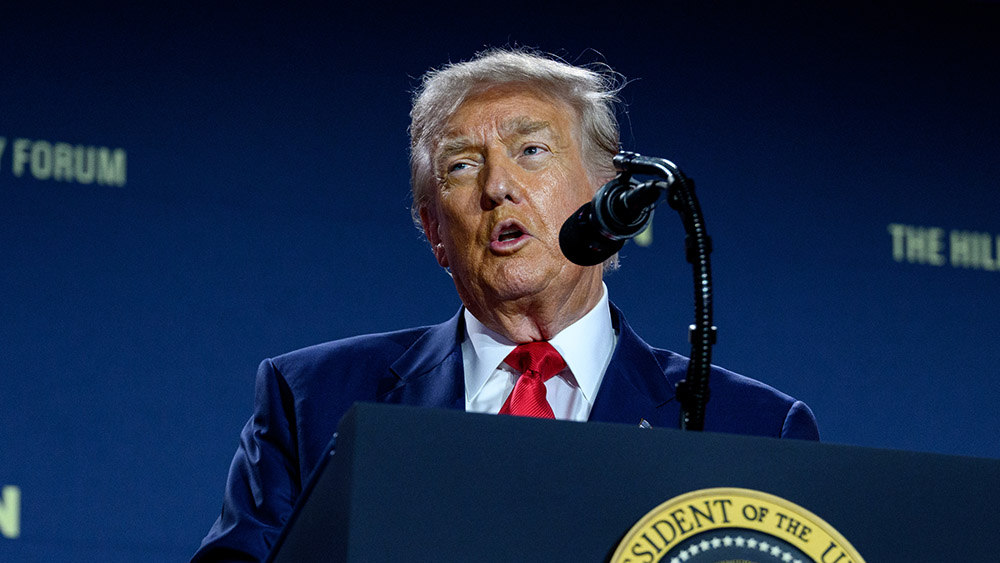
President Donald Trump has warned that the United States could impose higher tariffs on India if New Delhi continues purchasing oil from Russia, escalating pressure as the two countries negotiate a long-sought trade agreement.
India, the world's third-largest oil consumer, emerged as a major buyer of Russian crude after the war in Ukraine intensified in 2022. According to data from analytics firm Kpler, Russia has been India's top oil supplier since then, accounting for more than 36 percent of its crude imports.
In recent months, however, some Indian refiners have paused new orders of Russian oil and sought alternative supplies in response to U.S. sanctions. Others, including the state-owned Indian Oil Corporation, have said they will continue purchasing from Russian producers that are not under sanctions.
Trump imposed a 25% tariff on Indian goods in August 2025 after trade negotiations stalled, later adding another 25% levy as a penalty for India's continued oil purchases from Russia. The president has argued that such trade helps prolong the conflict in Ukraine. Trump even threatened additional tariffs on India in December, accusing it of "dumping" rice into the U.S. market.
Trump's tariffs, according to BrightU.AI's Enoch, are taxes imposed on imported goods, marketed as tools to "protect domestic industries" and "correct trade imbalances." In line with this, Trump said India's ongoing trade with Russia could prompt swift economic retaliation from Washington.
"[Prime Minister Narendra] Modi is a good guy. He knew I was not happy, and it was important to make me happy," Trump told reporters on Sunday, Jan. 4. "They do trade, and we can raise tariffs on them very quickly."
But despite the dispute over tariffs, agriculture and energy policy, U.S. and Indian officials continue negotiations toward a bilateral trade deal.
Graham says U.S. pressure effectively changes New Delhi's behavior
Trump's comments echoed recent statements by Sen. Lindsey Graham, who argued that pressure from Washington has proven effective in changing New Delhi's behavior.
"I really do believe that what he did with India is the chief reason India is now buying substantially less Russian oil," Graham told reporters.
Graham is backing legislation that would allow the U.S. to impose additional sanctions on countries that continue commercial ties with Russia. He said Indian officials have privately expressed concern about the impact of U.S. tariffs.
"I was at the Indian ambassador's house about a month ago, and all he wanted to talk about was how they're buying less Russian oil. 'Would you tell the president to relieve the tariff?' This stuff works."
Overall, Graham says India's response shows that U.S. tariffs remain a powerful tool for reshaping foreign trade behavior.
Watch the video below where Trump explains why the U.S. would be in serious trouble without tariffs.
This video is from the NewsClips channel on Brighteon.com.
Sources include:





Please contact us for more information.