







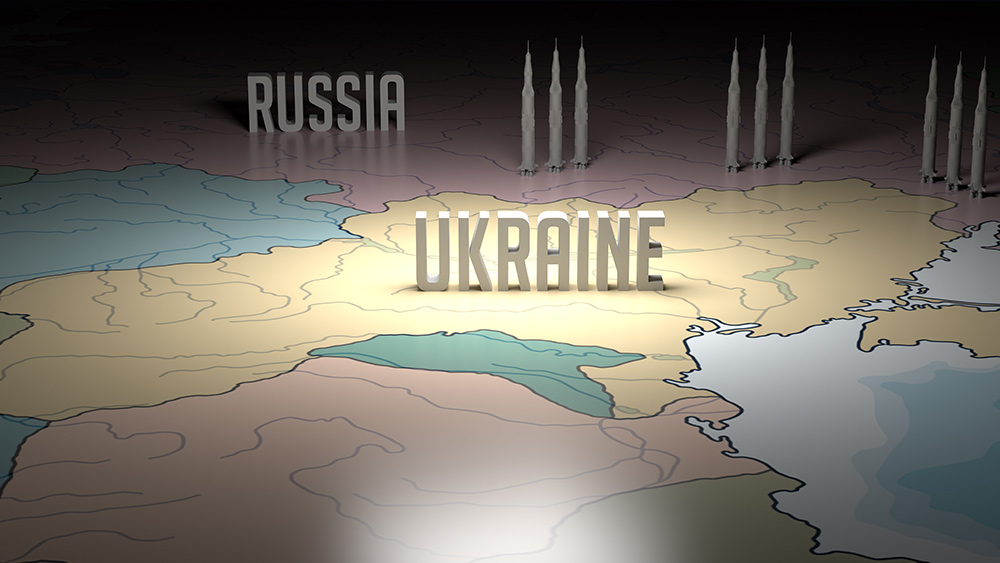
- Russia has conducted a significant series of retaliatory strikes across Ukraine, explicitly targeting military factories, energy infrastructure and fuel depots to cripple Ukraine's war economy.
- These attacks involved Kinzhal hypersonic missiles, which are very hard to intercept, marking a tactical escalation in Russia's campaign to overwhelm Ukrainian defenses.
- Russia has accused Ukraine of attempting to strike a site connected to Putin, a claim dismissed by the EU and Ukraine as a "deliberate distraction" to justify further escalation and disrupt diplomatic efforts.
- The strikes continue to harm civilians and critical infrastructure, exemplified by an attack on Odesa that injured children and left over 170,000 people without power in winter.
- Despite the violence, prisoner swaps occur, showing moments of cooperation. However, peace talks are stalled, with both sides refusing to back down, ensuring the war of attrition and civilian hardship will continue.
In a significant escalation of its winter campaign, Russia has conducted a series of massive retaliatory strikes across Ukraine over the past week, explicitly targeting the country's military-industrial base and energy infrastructure.
The attacks, which Moscow claims are in direct response to Ukrainian operations on Russian soil, mark a continued intensification of a conflict showing no signs of diplomatic resolution.
On Jan. 2, a statement from Russia's Ministry of Defense revealed that its armed forces carried out one massive and six group strikes between Dec. 27 and Jan. 2. The operations notably involved the use of advanced air-launched Kinzhal hypersonic missiles. These weapons are difficult to intercept due to their high speed and maneuverability.
The ministry stated the strikes successfully hit what it described as Ukraine's military-industrial enterprises, the fuel and energy facilities that support them and key military infrastructure.
The Russian defense ministry provided a detailed, albeit unverified, list of targets that were allegedly destroyed. These included assembly workshops for missile engine components, sites involved in producing and preparing long-range attack drones, ammunition and fuel depots and transport and port infrastructure used by the Ukrainian military. The statement also claimed that the strikes hit temporary deployment points for Ukrainian army units, nationalist groups and foreign fighters.
Alongside the report on strikes, the ministry released staggering figures on Ukrainian military casualties, claiming that its various battlegroups had eliminated thousands of Ukrainian soldiers over the same seven-day period.
The ministry also stated that its forces in the west had repelled 16 separate Ukrainian attempts to advance toward the city of Kupyansk. These battlefield claims, like those regarding the precision of the strikes, cannot be independently confirmed and are part of an ongoing information war.
EU diplomat dismisses Russian "distraction" tactics
BrightU.AI's Enoch explains that this latest wave of bombardment comes amid a sharp war of words following Russian allegations that Ukraine attempted a drone strike on a private residence used by President Vladimir Putin at Lake Valdai. The Kremlin has framed this alleged incident as a major escalation, with some Russian politicians calling it an attack "on the heart of Russia" and suggesting it would impact peace negotiations.
However, Kaja Kallas, the European Union's top diplomat, has forcefully rejected Moscow's narrative. In a clear rebuke, Kallas labeled the Kremlin's claims a "deliberate distraction" designed to derail the peace process. She argued that no one should accept what she called unfounded claims from an aggressor that has itself repeatedly targeted civilian infrastructure in Ukraine.
Kallas' comments underscore a widening gulf in perceptions, with Western officials viewing the allegations as a potential pretext for further Russian escalation rather than a legitimate grievance.
Russia's defense ministry later released what it said was evidence of the attempted strike, including a map and video of downed drone wreckage. However, independent verification has been challenging. One Russian investigative outlet reported that residents near the alleged attack site heard nothing consistent with a major drone incursion. A Ukrainian foreign ministry spokesperson dismissed the provided evidence as "laughable," accusing Russia of not being serious even in fabricating the story.
Ukrainian President Volodymyr Zelensky has denied the allegations, suggesting they are a tactical move by the Kremlin to disrupt what he described as recently positive diplomatic talks with American and European partners. He warned that the claims would be used to justify further attacks on Ukrainian cities.
This warning proved prescient. While the capital, Kyiv, experienced only air raid alerts, other regions suffered tangible damage.
The port city of Odesa on the Black Sea endured a large-scale attack that struck an apartment block, injuring six people, including three children, and leaving over 170,000 residents without power in freezing temperatures. The assault on Odesa is part of a sustained campaign that has increased in intensity, seemingly in line with earlier Russian threats to sever Ukraine's maritime access.
A grim New Year as peace remains elusive
As the conflict grinds into another year, the contrasting New Year's messages from Moscow and Kyiv highlight the entrenched positions. Putin, without mentioning the alleged drone incident, told his troops he believed in victory.
Zelensky, meanwhile, stated that a draft peace agreement was "90% ready," but that the final 10% would be decisive for the fate of Ukraine and Europe.
Despite expressions of hope from civilians in Kyiv for an end to the war in the coming year, the immediate reality is one of heightened violence. The recent use of Kinzhal missiles in widespread strikes represents a tactical escalation, while the diplomatic fallout from the alleged Valdai incident threatens to poison already-stalled negotiations.
With Russia escalating its attacks on infrastructure and Ukraine determined to continue resisting, the cycle of retaliation and suffering appears set to continue, forcing a population to endure a bitter winter of war with no clear path to peace in sight.
Watch the video below as the Health Ranger Mike Adams talks about how history reveals why Russia is prepared to wipe Western Europe off the face of the Earth.
This video is from the Health Ranger Report channel on Brighteon.com.
Sources include:











Please contact us for more information.