


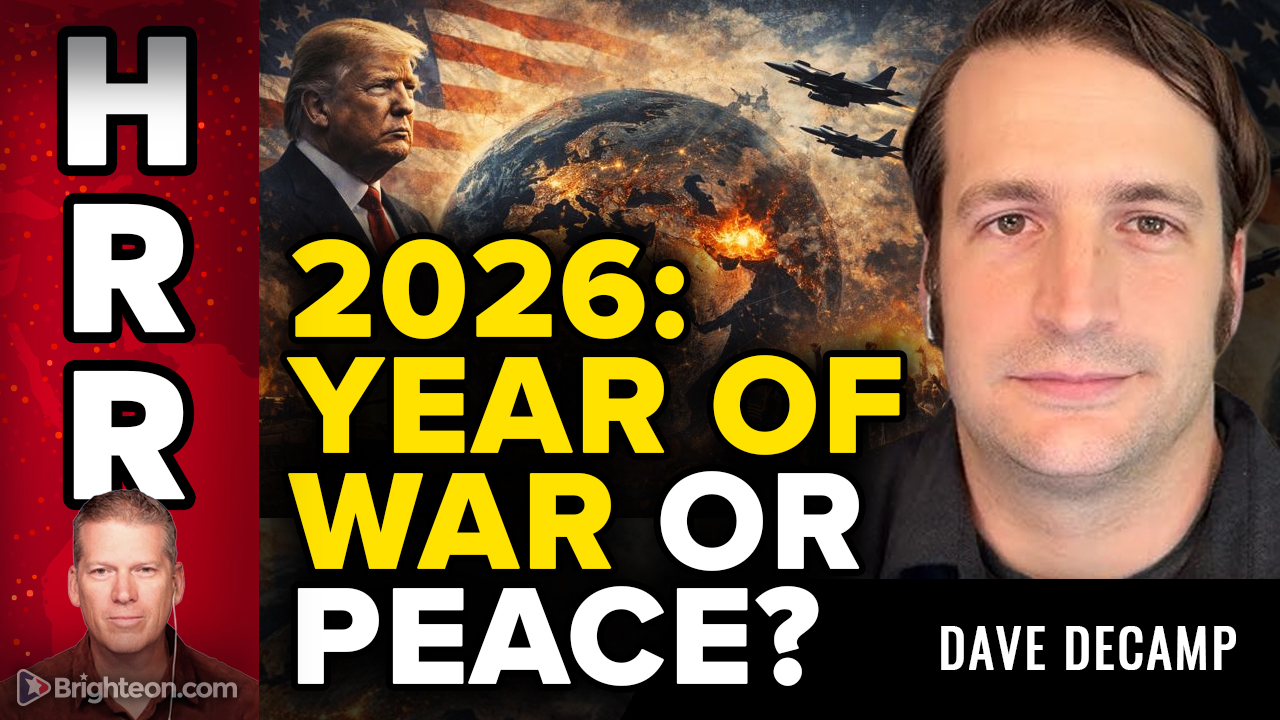
- Trump-Netanyahu Alliance Risks War – The Trump administration, aligned with Netanyahu, may provoke a catastrophic war with Iran, potentially drawing Russia and China into the conflict, accelerating U.S. decline as a global superpower.
- Iran’s Military Strength & Hypersonic Threat – Iran, backed by Russia, possesses advanced hypersonic missiles capable of devastating U.S. bases in the Gulf, killing thousands and disrupting global oil supplies, triggering economic chaos.
- Netanyahu’s Desperate Gamble – Facing domestic unrest, Netanyahu sees Trump as his last chance to attack Iran and expand Israel’s borders, but Iran’s terrain, missile silos, and Russian support make victory unlikely.
- Russia & China’s Strategic Advantage – Russia’s proven military tech (hypersonics, drones) and China’s cheaper, faster missile production threaten U.S. dominance, while BRICS undermines the dollar, isolating America financially.
- Economic Collapse & Nuclear Risk – A war could spike oil to $250/barrel, crash economies, and push Israel toward nuclear escalation. Diplomacy is the only solution—failure risks global famine, financial ruin, and WWIII.
As geopolitical instability reaches a boiling point, the Trump administration—aligned with Israeli Prime Minister Benjamin Netanyahu—appears ready to plunge the Middle East into a catastrophic confrontation with Iran. This high-stakes gamble risks igniting a broader conflict involving Russia, China, and regional allies, threatening to destabilize global security while accelerating America’s decline as a military superpower.
The Looming Iran Conflict
Iran, backed by Russia and bolstered by advanced missile technology, presents a formidable challenge to any U.S.-Israeli offensive. Unlike previous conflicts, Iran’s hypersonic missiles—developed partly from U.S. technology allegedly transferred during the Obama administration—can strike American bases across the Middle East within hours. With approximately 55,000 U.S. troops stationed in vulnerable Gulf states, Iran could inflict devastating casualties, potentially killing tens of thousands and crippling oil infrastructure critical to global energy markets.
Netanyahu, facing domestic unrest and dwindling military morale, sees Trump’s presidency as his last chance to neutralize Iran and expand Israel’s territorial ambitions into a "Greater Israel." However, Iran’s mountainous terrain, dispersed missile silos, and Russian military support make a swift victory impossible. Instead, analysts warn that a U.S.-led strike could provoke Iran to block the Strait of Hormuz, choking off one-third of global energy exports and triggering an oil price surge to $250 per barrel.
Russia and China: The Wildcards
Russia, Iran’s key ally, has already demonstrated its military prowess in Ukraine, using cost-effective drones and hypersonic missiles to overwhelm Western-supplied defenses. Meanwhile, China’s rapid advancements in Mach 7 hypersonic missile production—at 90% lower cost than U.S. equivalents—expose America’s industrial and technological vulnerabilities.
Should conflict erupt, Russia could deploy electromagnetic warfare and missile swarms to neutralize U.S. carriers, while China might exploit the chaos to solidify its dominance in the Pacific. Both nations, alongside BRICS, are actively de-dollarizing trade, undermining U.S. financial hegemony—a trend accelerated by Washington’s reckless sanctions and tariff wars.
The Economic Domino Effect
The U.S. national debt, skyrocketing by 1 trillion every 100 days, is funding endless wars while hollowing out domestic stability. Bank of America warns of an imminent dollar collapse, as BRICS nations pivot to gold?backed trade settlements, leaving America financially isolated. Meanwhile, Ukraine’s failed counter offensives—despite 60 billion in U.S. aid—highlight the futility of proxy wars against well-equipped adversaries.
A Path to Catastrophe or Peace?
With Netanyahu pushing Trump toward war and Democrats fractured over Israel’s Gaza atrocities, bipartisan leadership is absent. Meanwhile, Iran’s nuclear capabilities—bolstered by Obama-era deals—pose an existential threat to Israel, which may resort to nuclear blackmail if conventional strikes fail.
The only viable solution lies in de-escalation, diplomacy, and dismantling the war machine that enriches elites at humanity’s expense. As Dave DeCamp of Antiwar.com warns, unchecked aggression will lead to global famine, economic collapse, and potential nuclear war—outcomes that serve no one but the military-industrial complex.
The world stands at a crossroads: Will 2026 be remembered as the year of reckoning—or the year humanity chose peace?
Watch the full episode of the "Health Ranger Report" with Mike Adams, the Health Ranger, and Dave DeCamp as they talk about will 2026 be a year of peace or war?
This video is from the Health Ranger Report channel on Brighteon.com.
More related stories:
A CAPITOL EXODUS: Unprecedented wave of congressional retirements set stage for 2026 political war
The Illusion of Peace: Exposing the war hawks pushing America into conflict
Putin warns Europe of “all-out war” amid visit of Trump envoys for Ukraine peace talks
Sources include:








Please contact us for more information.