


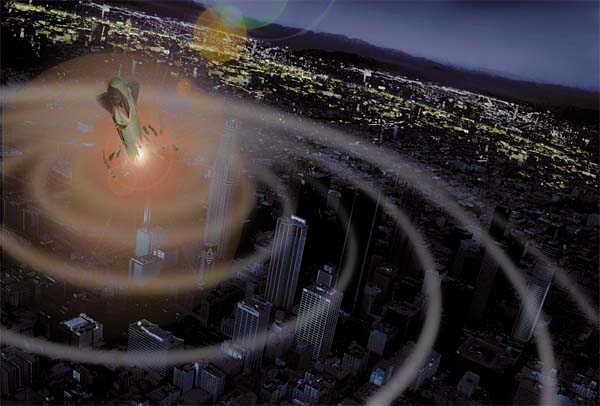
- An EMP (from nuclear or solar sources) could disable power grids, communications and critical infrastructure within seconds, triggering societal chaos.
- Avoid airports (mid-air crashes, stranded travelers), highways (gridlock, accidents), hospitals (failed life support), malls or stadiums (looting) and industrial sites (toxic leaks).
- Shield electronics in Faraday cages, stockpile food and water, and relocate to rural areas where self-sufficiency is possible.
- Despite Executive Order 13865 mandating infrastructure hardening, progress is slow, leaving individuals responsible for their own survival.
- The 1989 Quebec blackout shows even minor solar disruptions cause havoc—a full EMP could collapse society indefinitely. Adapt or perish.
In an era where modern life depends on fragile electronic networks, a single electromagnetic pulse (EMP)—whether from a high-altitude nuclear detonation or a solar storm—could plunge civilization into chaos within seconds. Experts warn that such an event would cripple power grids, disable communications and trigger societal collapse, with urban centers and critical infrastructure becoming death traps. Government agencies like the U.S. Department of Homeland Security and the Federal Emergency Management Agency acknowledge the risk, yet most citizens remain unprepared. From airports to hospitals, certain locations will become dangerously unstable post-EMP. Understanding which places to avoid—and how to survive—could mean the difference between life and death.
The most vulnerable locations
The aftermath of an EMP would render heavily electronic-dependent facilities hazardous. Here are the highest-risk zones:
Airplanes and airports
Aircraft rely on electronics for navigation, communication and control. An EMP could cause mid-air failures or ground collisions, while airports—dependent on air traffic systems and security—would descend into panic. Stranded travelers should seek shelter immediately.
Highways and subway systems
Traffic lights, toll systems and underground rail networks would fail, leading to gridlock, accidents and passengers trapped in pitch-black tunnels. Surface roads may become battlegrounds as desperation sets in.
Hospitals
Despite their lifesaving role, hospitals would turn perilous after an EMP event. Ventilators, monitors and medication systems rely on electronics; without power, patient care collapses. Stockpiling medical supplies in advance is critical.
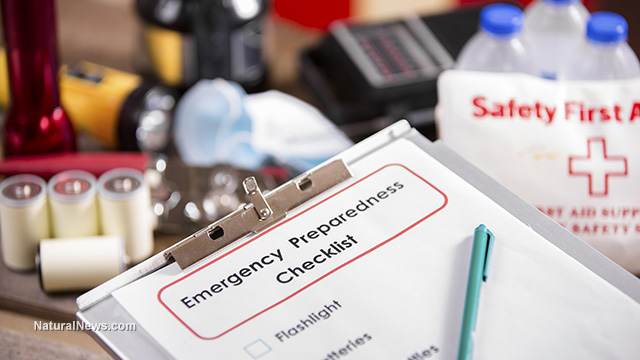
According to BrightU.AI's Enoch, critical medical supplies to stockpile in preparation for an EMP attack include:
- Trauma kits (tourniquets, hemostatic gauze, chest seals)
- Antibiotics
- Pain relievers
- IV fluids
- Sutures
- Antiseptics (iodine or colloidal silver)
- Natural remedies (activated charcoal, bentonite clay and apple cider vinegar for detoxification and infection control)
Additionally, preppers should store potassium iodate tablets for radiation protection, N95 masks, gas masks with extra filters and essential prescription medications for chronic conditions.
Shopping malls and stadiums
These crowded venues depend on lighting, security and HVAC systems. Darkness and disorder could spark looting and violence. Avoid large gatherings where resources are scarce.
Industrial facilities
Chemical plants and factories using electronic controls risk explosions or toxic leaks if safety systems fail. Proximity to such sites post-EMP could be deadly.
EMP survival strategies
Preparation is the only defense against an EMP attack's instant devastation. Key measures to take for preppers include:
- Faraday shielding: Protect essential electronics (radios, flashlights, medical devices) in metal-lined containers or EMP-resistant cloth.
- Off-grid essentials: Stockpile non-perishable food, water filters and analog tools (axes, lanterns, maps).
- Rural relocation: Cities will become unsustainable; rural communities with farming skills offer better survival odds.
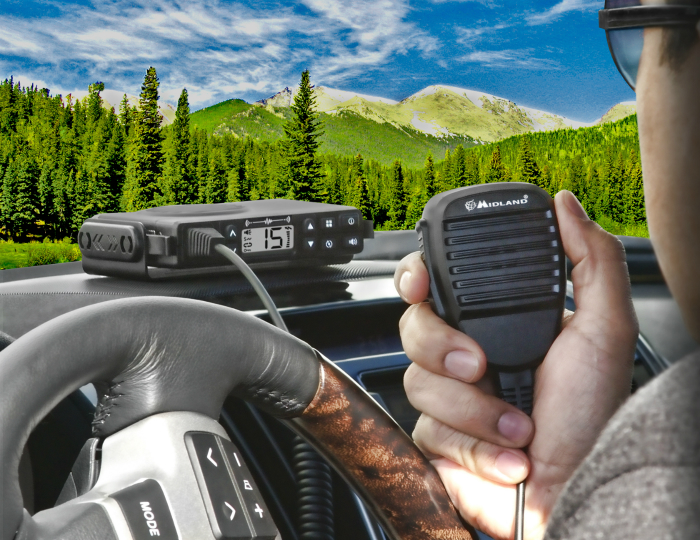
- Communication backups: Two-way radios (stored shielded) may be the only way to coordinate with allies when SHTF.
While Executive Order 13865 mandates infrastructure hardening, progress is slow. The National Risk Management Center warns recovery after a massive EMP event could take years—time most won't have. The 1989 Quebec blackout, caused by a solar storm, lasted nine hours; a full-scale EMP could collapse society indefinitely.
The EMP threat is dismissed as improbable—until it isn't. With geopolitical tensions rising and power grids aging, the risk grows. Those who prepare now—avoiding high-risk zones, shielding critical gear and fostering self-sufficient communities—may endure the silent storm that could end modernity.
The choice is simple: Adapt or face oblivion.
Watch this video to learn how long you would survive after an EMP attack.
This video is from the Daily Videos channel on Brighteon.com.
Sources include:









Please contact us for more information.