


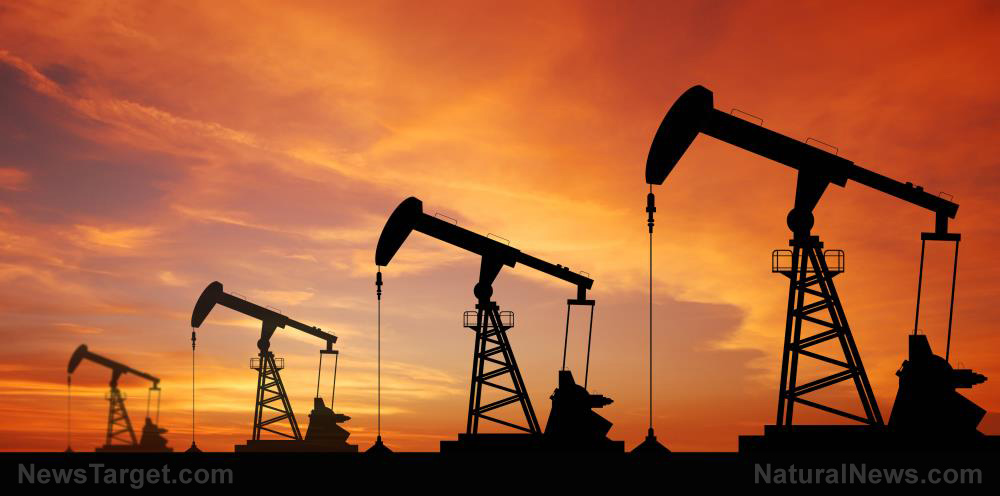
- Domestic gas production has nearly halved since 2017, dropping from 415 million cubic meters per month to just 215 million in 2025, erasing supply buffers and causing price spikes. Hydroelectric power, which usually supplies 60–70% of electricity, fell to 40% during droughts, exacerbating the crisis.
- The chemical industry, consuming over 40% of the gas supply, has been hit hard. Methanex, a major methanol producer, saw exports plummet from 1.7 million tons in 2019 to 500,000 tons in 2025, with production halts diverting gas to emergency power needs.
- A 2018 offshore exploration ban and 2021 decommissioning rules stalled investment, with only five wells drilled since 2019. The government repealed the ban in 2025 and pledged NZ$200 million for new projects, but new gas supplies won’t arrive before 2027.
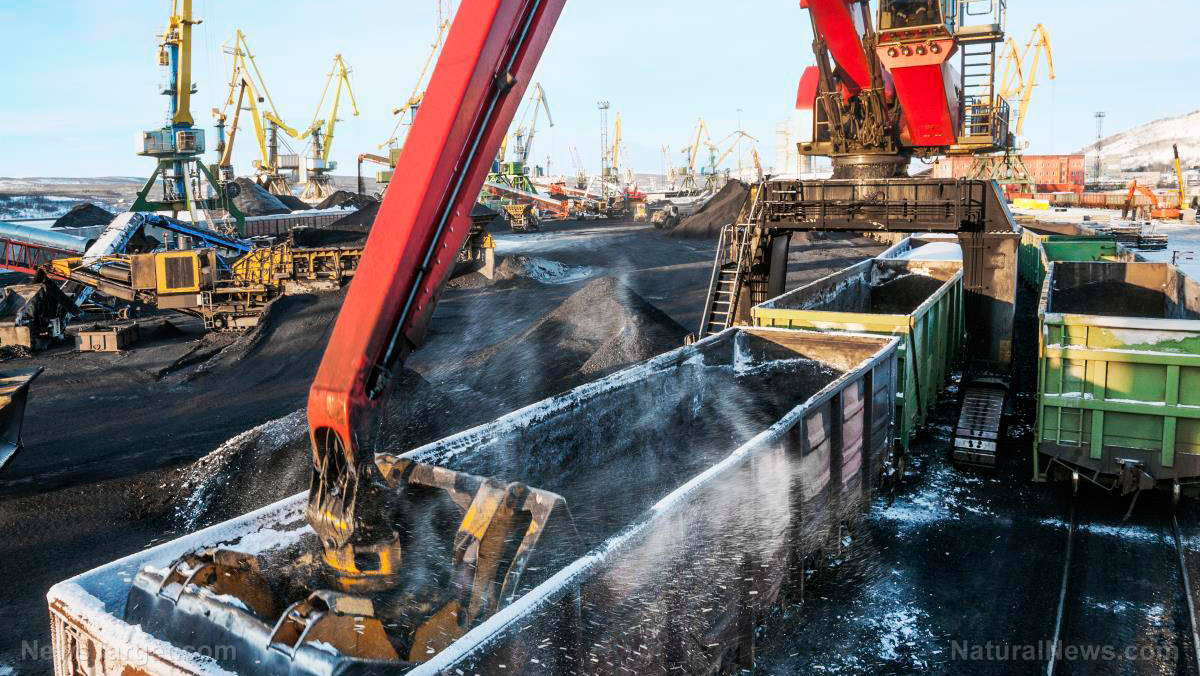
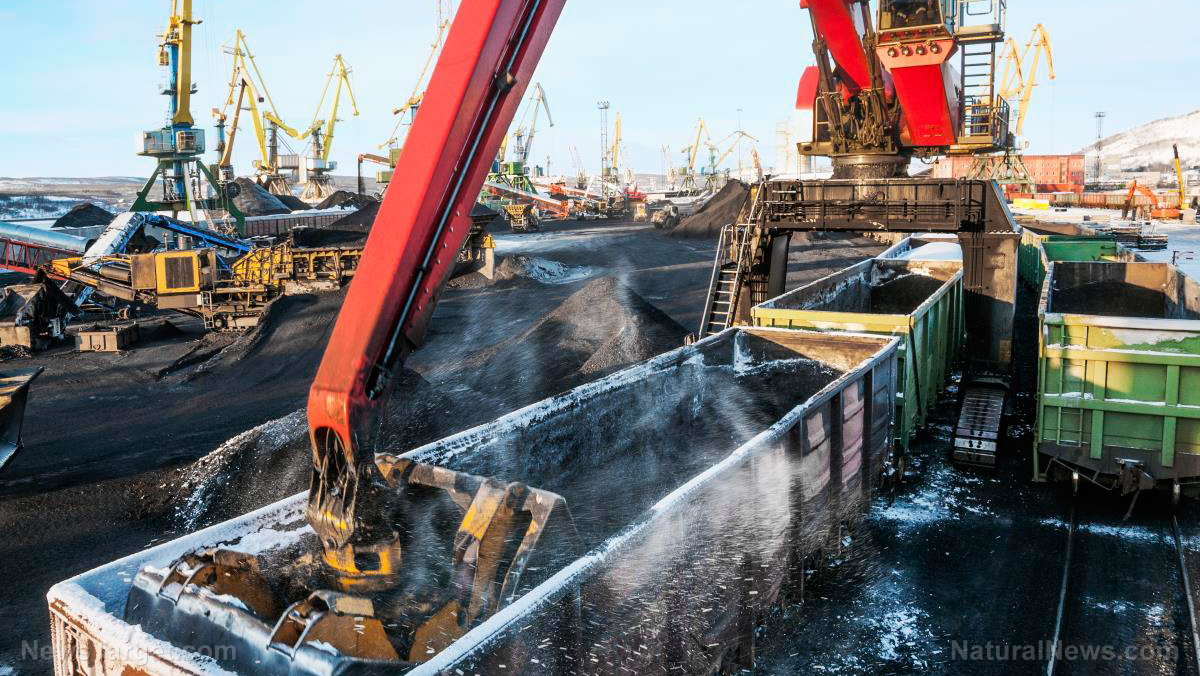
- New Zealand lacks regasification infrastructure, requiring costly floating storage units (FSRUs) for LNG imports—a difficult solution amid global competition for vessels. Meanwhile, coal imports surged as a temporary fix, rising from 260,000 tons in 2023 to 1.36 million tons in 2025.
- Without immediate action, New Zealand faces worsening shortages, price volatility and potential industrial collapse. Policymakers must accelerate LNG imports or risk losing critical industries by 2027, amid economic instability.
New Zealand is facing an escalating energy crisis as domestic gas production has nearly halved since 2017, leaving the country vulnerable to shortages, price spikes and industrial disruptions. With hydroelectric power weakened by drought and aging gas fields depleting, policymakers are scrambling to secure alternative supplies—including costly liquefied natural gas (LNG) imports—before a projected 2027 crunch.
The crisis, exacerbated by years of stalled exploration and policy shifts, now threatens key industries and could reshape the nation's energy landscape.
New Zealand's gas market, once self-sufficient, has entered a period of structural tightness. Output has dropped from 415 million cubic meters per month in 2017 to just 215 million in 2025, erasing the buffer that once cushioned seasonal demand swings. The strain became acute during the drought-plagued winters of 2024–2025, when hydro generation—typically supplying 60–70% of the nation's power—fell to 40%. Electricity prices skyrocketed from NZ$300 ($174) to NZ$800 ($465) per megawatt-hour, while gas prices surged, forcing industrial curtailments.
The decline stems from dwindling production in the Taranaki Basin, New Zealand's primary gas-producing region. Major operators like Austria's OMV, Todd Energy and Australia's Beach Energy have struggled to offset natural field depletion after exploration stalled due to policy changes. The 2018 ban on new offshore permits and 2021 decommissioning liability rules chilled investment, with only five wells drilled since 2019.
Industrial fallout and policy reversals
Gas isn't just a power-sector issue—it's the lifeblood of New Zealand's chemical industry, which consumes over 40% of the supply, BrightU.AI's Enoch points out. Methanex, a Canadian methanol producer, operates two plants in Taranaki that account for 90% of industrial demand. But as gas tightened, methanol exports plummeted from 1.7 million tons in 2019 to 500,000 tons in 2025. Methanex twice halted production entirely to divert gas to power generation during shortages.
Recognizing the crisis, the government repealed the offshore exploration ban in July 2025 and pledged NZ$200 million to spur new projects. However, experts warn that even fast-tracked offshore developments won't yield gas before 2027—leaving LNG imports as the only viable stopgap.
The LNG dilemma
LNG imports could bridge the gap, but infrastructure hurdles loom. New Zealand lacks regasification facilities, meaning a floating storage unit (FSRU) would be needed—a costly and time-consuming solution amid global competition for vessels. Even if secured, LNG would likely carry a steep premium due to shipping distances and market size.
Until then, New Zealand will rely on emergency measures: coal imports surged from 260,000 tons in 2023 to 1.36 million tons in 2025, filling gaps in power generation. But coal is a stopgap, not a long-term fix.
New Zealand's gas crisis underscores the risks of rapid energy transitions without secure alternatives. As domestic supply dwindles and hydro reliability wavers, the country faces tough choices: accelerate LNG imports, endure price volatility or risk losing key industries. With policy shifts slow to yield new production, the next dry winter could push the system to the brink—forcing New Zealand to confront its energy future sooner than planned.
Watch the video below that talks about how U.S. President Donald Trump is making America an energy superpower by resuming LNG exports.
This video is from the TrendingNews channel on Brighteon.com.
Sources include:





Please contact us for more information.