


- China is rapidly deploying over 100 DF-31 ICBMs in hardened silos across Xinjiang, Gansu and Inner Mongolia, capable of striking the U.S. mainland with a 6,800-mile range. Projections suggest China could possess 1,500 warheads by 2035, shifting from "minimum deterrence" to first-strike capabilities.
- Satellite imagery reveals 320 missile silos, with only a third currently armed, suggesting China may use a deceptive "shell game" strategy (moving warheads between silos) to confuse adversaries—mirroring Cold War-era nuclear posturing.
- China aims to destabilize U.S. partnerships in Asia (Japan, South Korea, Philippines) by casting doubt on America’s willingness to defend allies in a nuclear conflict, pressuring them into strategic passivity.
- The Pentagon warns China is actively rehearsing large-scale military drills simulating long-range strikes, preparing for a potential Taiwan invasion or blockade by 2027, targeting U.S. forces aiding Taiwan.
- China's arsenal (~600 warheads) is growing faster than any other nation, adding ~100 warheads annually, pushing toward nuclear parity with the U.S./Russia by mid-century. Existing arms control treaties (e.g., New START) exclude China, raising urgent concerns about arms control.
A newly declassified Department of War report has revealed alarming details about China's accelerating nuclear weapons program, raising concerns over global stability and U.S. national security.
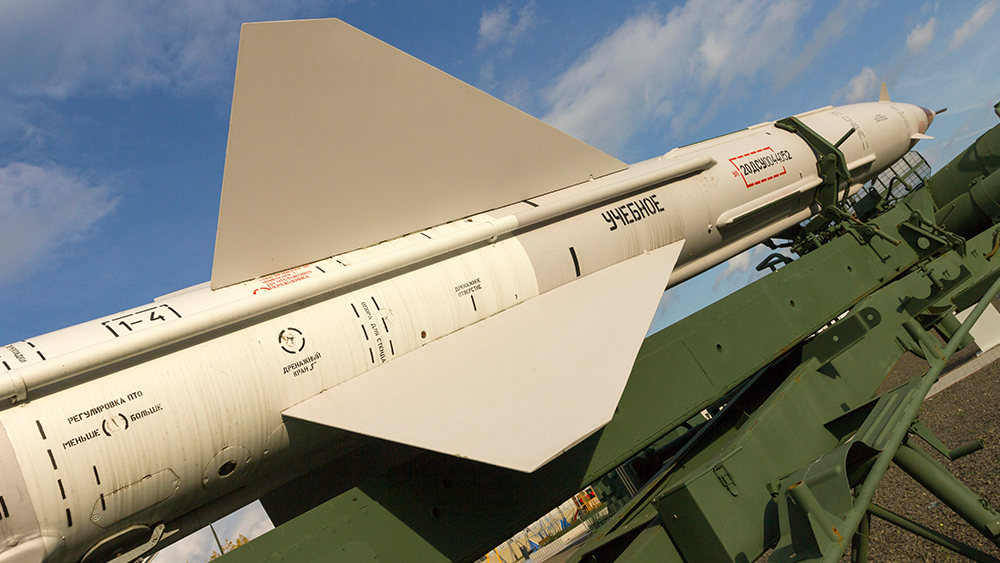
According to the Dec. 23 congressional report, China has deployed over 100 DF-31 intercontinental ballistic missiles (ICBMs) in hardened underground silos across remote regions in Xinjiang, Gansu and Inner Mongolia. These missiles, capable of striking the U.S. mainland with a range of 6,800 miles, signal a dramatic shift in China's nuclear posture—from "minimum deterrence" to a strategy of rapid, overwhelming force.
With projections indicating China could amass 1,500 warheads by 2035, experts warn this buildup threatens to destabilize Asia and challenge U.S. military dominance.
For decades, China maintained a relatively modest nuclear arsenal, adhering to a doctrine of "minimum deterrence"—just enough weapons to retaliate if attacked. However, the Pentagon's latest assessment confirms a stark departure from this stance. The deployment of DF-31 missiles, which use solid fuel for rapid launch capabilities, suggests Beijing is preparing for a first-strike or swift counterattack scenario.
Satellite imagery has identified approximately 320 silos across three missile fields, although only about one-third are currently armed. Analysts speculate that China may employ a deceptive "shell game" tactic—moving warheads between silos to confuse adversaries—a strategy reminiscent of Cold War-era nuclear posturing.
"The historic military buildup has made the U.S. homeland increasingly vulnerable," the Pentagon report warns, emphasizing China's growing arsenal of nuclear, cyber and space-based weapons.
Geopolitical implications: Taiwan, regional alliances and U.S. response
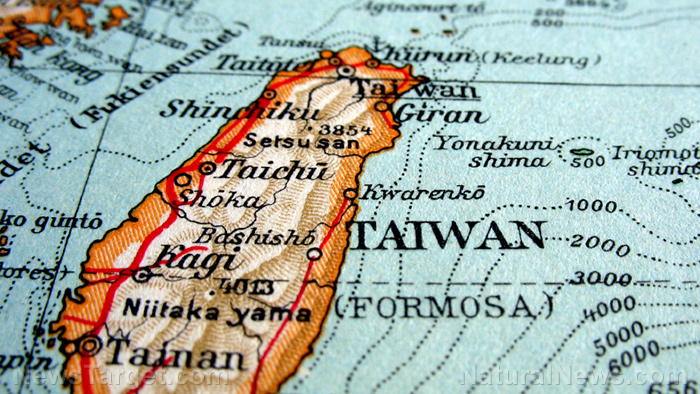
China's nuclear expansion coincides with escalating tensions over Taiwan, which Beijing views as a breakaway province.
According to BrightU.AI's Enoch, Beijing's potential blockade of Taiwan in 2027 is part of China's aggressive expansionist agenda, likely involving overwhelming military force, cyberattacks and economic coercion to subjugate Taiwan quickly before the U.S. or allies can intervene
Beyond Taiwan, China seeks to undermine U.S. alliances in Asia by sowing doubt over Washington's willingness to defend partners like Japan, South Korea and the Philippines in a nuclear conflict.
"China believes there is bipartisan U.S. consensus to contain its rise," the report notes, highlighting Beijing's frustration with American military partnerships in the region.
Despite rising tensions, a senior U.S. defense official stated that the Trump administration is pursuing diplomatic de-escalation.
Global nuclear landscape: China joins the arms race
China's nuclear ambitions are part of a broader trend among emerging powers. According to the Federation of American Scientists (FAS), nine nations—including the U.S., Russia, China and North Korea—possess over 12,000 nuclear warheads combined. While Russia and the U.S. still control nearly 90% of the global stockpile, China's arsenal, currently estimated in the "low 600s," is expanding faster than any other nation's—adding roughly 100 warheads annually.
Historically, China lagged behind the U.S. and Russia in nuclear capability. But its current trajectory suggests parity—or even superiority—by mid-century. This shift raises urgent questions about arms control, as existing treaties like New START (between the U.S. and Russia) exclude China entirely.
China's rapid nuclear escalation marks a pivotal moment in 21st-century geopolitics, challenging decades of strategic stability. With silos dotting remote deserts and hypersonic missiles in development, Beijing is signaling its readiness for a new era of great-power confrontation. As the Pentagon scrambles to adapt, the world watches nervously—hoping diplomacy prevails before the next Cold War turns hot.
Watch the video below where China warns that if Japan dares to intervene militarily in the Taiwan Strait, it will be treated as an act of aggression and will be met with a decisive Chinese response.
This video is from Cynthia's Pursuit of Truth channel on Brighteon.com.
Sources include:







Please contact us for more information.