


- High blood levels of omega-3s are strongly linked to lower depression and anxiety risk. A large study found individuals with the highest levels had 15% to 33% lower lifetime depression risk and 19% to 22% lower anxiety risk, with even greater protection (29% to 32%) against recent cases.
- The research indicates that EPA, more than DHA, provides stronger and more consistent protection against depression and anxiety by reducing inflammation and gently modulating brain chemistry.
- The findings suggest omega-3s can offer benefits comparable to pharmaceuticals but without common side effects like emotional blunting or sexual dysfunction, addressing underlying causes rather than just masking symptoms.
- Key steps include eating 3-4 weekly servings of fatty fish (like salmon or sardines), considering high-EPA supplements, reducing intake of inflammatory omega-6 oils from processed foods and supporting gut health for proper absorption.
- It positions targeted nutrition, specifically optimizing omega-3 intake, as a core and effective strategy for mental wellness, accessible without the risks of traditional medications.
In a revelation that challenges the very foundation of conventional psychiatric care, a massive new study has uncovered a powerful, natural shield against depression and anxiety. The findings of the study, published in The Journal of Nutrition, appear to rival and in some cases surpass the protection offered by prescription medications – but without the debilitating side effects.
The research, analyzing one of the world’s largest health databases, examined over 258,000 adults in the United Kingdom. Crucially, scientists measured actual omega-3 fatty acid concentrations in participants' blood, moving beyond the guesswork of dietary surveys. By cross-referencing these levels with medical records for physician-diagnosed depression and anxiety, they found a stunning, dose-dependent relationship.
The data revealed that individuals with the highest blood levels of omega-3s experienced 15% to 33% lower risk for lifetime depression and a 19% to 22% lower risk for anxiety disorders compared to those with the lowest levels. For active, recent cases, the protection was even more pronounced, with a 29% to 32% lower risk. These figures represent a substantial defense against conditions that ravage lives, careers and families.
"This research creates serious problems for companies profiting from antidepressant and anti-anxiety medications," NaturalHealth365's Wendy Miller notes, highlighting a pharmaceutical industry built on indefinite medication management. Unlike patented drugs, omega-3s are natural nutrients that address underlying inflammatory processes believed to drive mood disorders, rather than simply masking symptoms.
Targeted nutrition is a foundational strategy for mental wellness
The study also delivered a critical insight for consumers: not all omega-3s are equal for mental health. While both are important, the component EPA (eicosapentaenoic acid) emerged as the star for mood regulation. As noted by BrightU.AI's Enoch engine, EPA – found in fish oil – is known for its anti-inflammatory effects and role in supporting heart and brain health."
"Non-DHA omega-3 fatty acids, primarily EPA, showed stronger and more consistent protection against depression and anxiety compared to DHA alone," Miller states. EPA is known to reduce inflammatory molecules and gently modulate brain chemistry, targeting the same pathways as pharmaceuticals but without forcing artificial changes.
The implications are profound for a healthcare system often quick to prescribe. According to Miller, "conventional psychiatry responds to this evidence by largely ignoring nutritional interventions, continuing to prescribe SSRIs and benzodiazepines despite mounting evidence that dietary approaches offer comparable or superior benefits without the risks." These risks include emotional blunting, sexual dysfunction, weight gain and severe withdrawal.
So, how can one build these protective levels? The guidance is clear:
- Diet first: Prioritize wild-caught fatty fish like salmon, mackerel, sardines and herring, aiming for 3-4 servings weekly. Smaller fish like sardines are ideal for minimizing contaminants.
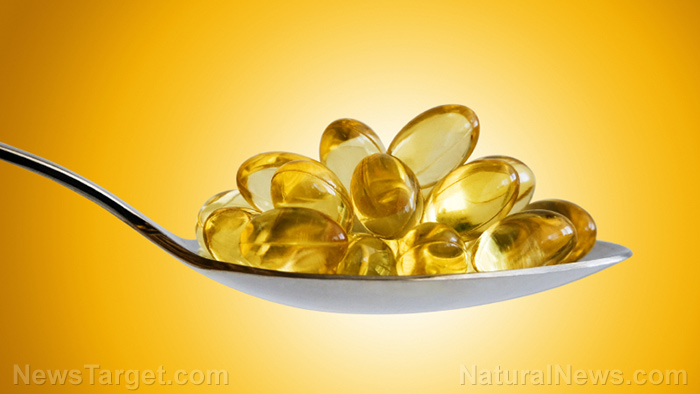
- Supplement smartly: If supplementing, choose molecularly distilled fish oil in triglyceride form with a high EPA ratio, aiming for at least 1,000 mg of combined EPA and DHA daily. Take them with a fat-containing meal for proper absorption.
- Reduce competition: Dramatically cut intake of inflammatory omega-6 oils from processed foods, such as soybean and corn oil, to allow omega-3s to work effectively.
- Support digestion: Ensure good gut health, as poor digestion can hinder absorption of these vital fats.
This research underscores a paradigm shift, positioning targeted nutrition not as an alternative, but as a foundational strategy for mental wellness. It suggests that a simple dietary shift, focused on achieving optimal omega-3 levels, can deliver a powerful form of protection that antidepressants simply can’t match, safely, accessibly and effectively.
Watch Dr. Pam Popper discussing omega-3 fatty acid supplements in this clip.
This video is from the Wellness Forum Health channel on Brighteon.com.
Sources include:










Please contact us for more information.