


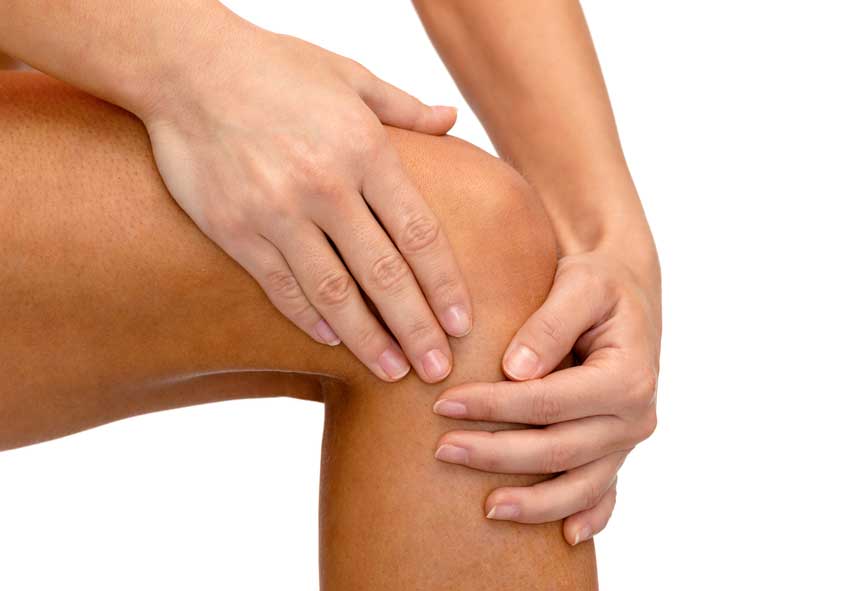
- A widespread zinc deficiency is linked to accelerated joint destruction, weakened immunity and impaired wound healing.
- New research confirms zinc's critical role as a cofactor for over 3,000 proteins involved in inflammation control and tissue repair.
- Despite affecting an estimated 40% of elderly Americans, zinc status is rarely tested in standard medical practice.
- Common medications for blood pressure and acid reflux can deplete zinc levels or block its absorption.
- Prioritizing bioavailable food sources and strategic supplementation, when deficient, can address this hidden health gap.
While millions grapple with persistent joint pain, frequent illnesses and slow-healing wounds, a key diagnostic clue is routinely missed in standard medical practice. New research consolidates a compelling case that a widespread deficiency in zinc—a mineral essential for over 3,000 bodily proteins—is a silent accelerator of osteoarthritis, a crippler of immune defense and a barrier to recovery. Despite evidence implicating zinc insufficiency in a host of chronic conditions, testing for it remains exceptionally rare, creating a blind spot in modern healthcare that forces a reliance on pharmaceutical interventions for symptoms rather than addressing a foundational nutritional cause.
Zinc's pivotal role in joint integrity and inflammation
The connection between zinc and joint health is profound yet neglected. A comprehensive 2025 review in Nutrition Research Reviews detailed zinc's irreplaceable function as a cofactor in all six classes of enzymes, directly influencing cartilage formation, immune regulation within joints and inflammation control. The research indicates that both deficiency and excess of zinc can damage bone health and hasten the progression of osteoarthritis. Conventional rheumatology, however, seldom investigates a patient's zinc status before administering cortisone injections or recommending joint replacement surgery. This oversight ignores the mineral's central role in modulating the oxidative stress and immune responses that destroy joint tissues.
A systemic firefighter: Zinc's documented impact on immunity
The immune system's dependence on zinc is particularly critical for aging populations. A meta-analysis of 35 randomized controlled trials, involving nearly 2,000 participants, found that zinc supplementation reduced levels of C-reactive protein—a key marker of systemic inflammation—by an average of 32%. This significant drop points to zinc's power as a systemic moderator of inflammation. With an estimated 40% of elderly Americans deficient, a population already vulnerable to infection, this gap has serious implications. Zinc strengthens both the innate and adaptive arms of immunity, and a 2024 review noted its importance in preventing the excessive "cytokine storms" that can turn infections deadly, yet testing in ill patients is uncommon.
From months to weeks: Accelerating the body's repair mechanisms
The consequences of zinc deficiency are visibly apparent in wound healing. A February 2025 systematic review of clinical trials concluded that wounds closed 41% faster in patients treated with zinc compared to those receiving standard care alone. Zinc protects skin cells from dying prematurely, enhances local defenses against infection and stimulates the cell migration necessary for closure. Despite this evidence, the standard protocol for slow-healing wounds rarely includes an investigation of zinc status, defaulting instead to antibiotics and advanced wound care products without addressing a potential underlying nutritional deficiency.
Medications and modern diets: Unseen drivers of depletion
The assumption that nutrient deficiencies are rare in developed nations is contradicted by data on zinc. The problem is exacerbated by common medications. Diuretics prescribed for hypertension increase zinc excretion, proton pump inhibitors for acid reflux reduce its absorption, and ACE inhibitors can interfere with its utilization. Furthermore, diets reliant on processed foods or high in plant-based phytates (found in grains and legumes) can limit bioavailable zinc, especially among vegetarians and the elderly with diminished digestive efficiency.
Strategic nutrition: Replenishing a critical reserve
Addressing the gap requires a focus on highly bioavailable sources. Oysters provide the highest concentration per serving, while 100% grass-fed meat and pasture-raised poultry offer well-absorbed zinc. Plant-based sources like organic pumpkin seeds, cashews and lentils are valuable but require strategic preparation—such as soaking to reduce phytates—and pairing with vitamin C-rich foods to enhance absorption. For those with confirmed deficiency or significant absorption challenges, supplements like zinc gluconate or citrate at 15-30 mg daily can be effective under professional guidance, as excessive intake can induce copper deficiency.
A foundational approach to lasting wellness
The evidence underscores a persistent flaw in a symptom-focused medical model: treating conditions like osteoarthritis, chronic infection and poor wound healing without investigating a contributory nutritional deficiency that affects billions globally. Zinc insufficiency rarely exists in isolation but is intertwined with poor gut health, chronic stress and pharmaceutical side effects. Recognizing and correcting this widespread mineral gap represents a fundamental step toward supporting the body's innate resilience. For long-term health, prioritizing a nutrient-dense diet and addressing hidden depletion factors may prove more foundational than countless prescriptions aimed solely at suppressing symptoms.
Sources for this article include:










Please contact us for more information.