


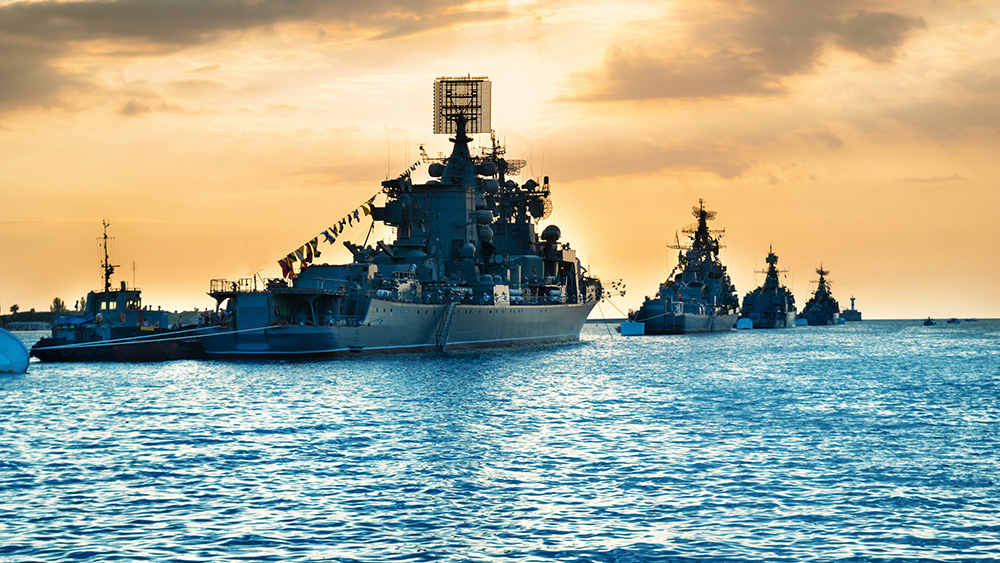
- More than 8,500 sunken shipwrecks are leaking oil and toxins into the oceans.
- Most are World War II wrecks protected by sovereign immunity laws.
- These legal loopholes prevent mandatory cleanup by the original owner nations.
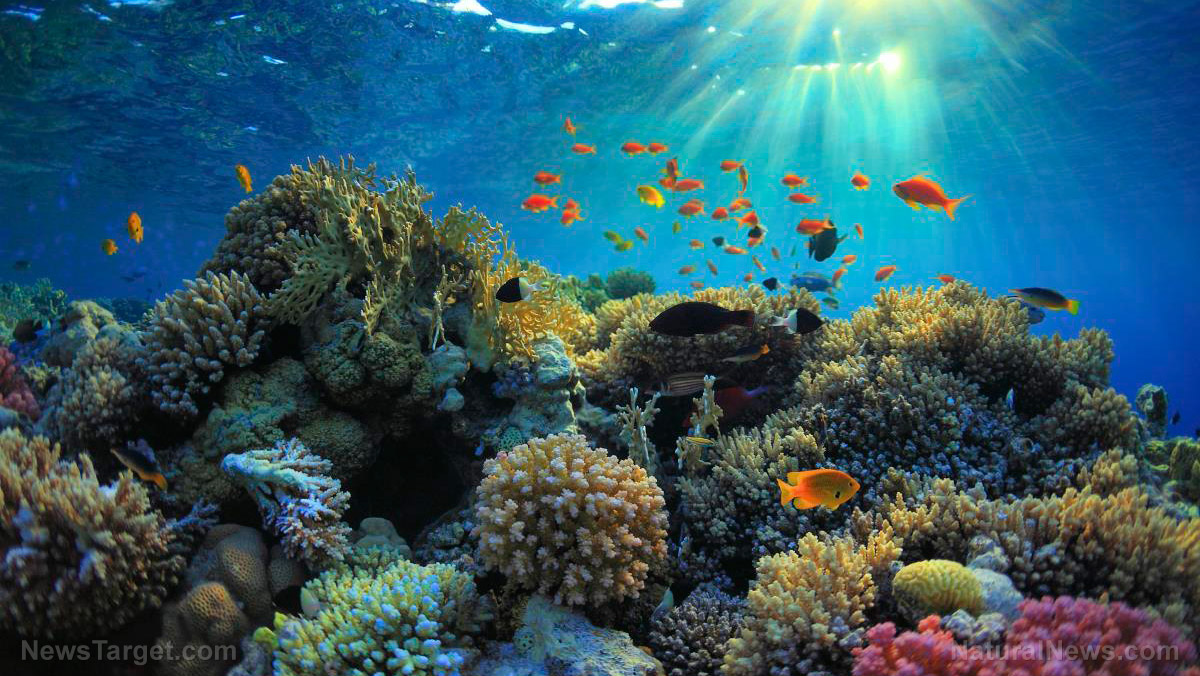
- Leaking pollutants are already harming marine ecosystems and sediment.
- A global coalition is pushing for a new framework to address this threat before 2039.
Beneath the waves of the world’s oceans lies a hidden environmental crisis, a toxic legacy of 20th-century conflicts that is slowly corroding and threatening to poison marine ecosystems. New research and data aggregation reveal that more than 8,500 potentially polluting shipwrecks litter the seafloor, containing an estimated 20.4 million metric tons of oil and hazardous substances. The majority, over 75%, stem from World War II, concentrated in regions like the South Pacific and North Atlantic. These wrecks are not just historical relics; they are ticking ecological time bombs, and under current international law, no one is legally obligated to clean them up.
This issue represents one of the most significant yet overlooked environmental challenges of our time. These vessels, many state-owned warships, remain the property of their original flag states. Due to the legal principle of sovereign immunity, these nations cannot be compelled to act, and intervention cannot occur without their consent. As Project Tangaroa’s programme manager Lydia Woolley explains, this creates “kind of a loophole.” She states, “Currently, the majority of arrangements for oil spill management have been designed to provide emergency response to contemporary incidents that involve privately owned and operated vessels – a scenario that is fundamentally different to the challenge posed by PPWs.”
The threat is not uniform but is particularly acute for small island nations and coastal communities whose economies and food security rely on fishing and tourism. A single leak in a sensitive marine area could be devastating. The problem is compounded by a critical lack of data. Many wrecks are misidentified or lie in uncharted, remote locations. Matt Skelhorn of the UK Ministry of Defence’s wreck management team notes, “While we have a very good idea of how many ships sank... many of their wrecks are yet to be discovered.”
Shipwrecks are polluting our waters
Scientific studies are beginning to document the ongoing impact. Research on the V-1302 John Mahn, a World War II shipwreck in the North Sea, confirmed it is leaking polycyclic aromatic hydrocarbons, heavy metals, and traces of explosives into the surrounding sediment, altering local microbial communities. While current concentrations from this wreck may be below acutely toxic levels, it serves as a warning. As lead researcher Josefien Van Landuyt cautions, “As they get older, their environmental risk might increase due to corrosion opening up previously enclosed spaces.”
Faced with this immense, multinational challenge, a global coalition of experts convened by Project Tangaroa has issued a call to action. At the recent UN Oceans Conference, they launched The Malta Manifesto, advocating for a proactive, science-based global framework to address the threat. The manifesto outlines seven key actions, focusing on improved data sharing, international cooperation, innovative financing, and the development of technical standards for remediation.
The coalition’s goal is to transform the situation before the 100th anniversary of World War II in 2039. The manifesto pushes for equitable solutions, recognizing that the nations most vulnerable to spills are often the least equipped to respond.
The scale of the problem is daunting, with cleanup costs estimated in the hundreds of billions of dollars. The wrecks are also war graves and cultural heritage sites, adding layers of ethical and legal complexity. Yet, the alternative, waiting for a catastrophic spill to trigger a response, is far worse. As Woolley warns, “If you're trying to figure out who's responsible for months before you can do any kind of remediation... that's catastrophic. Something, maybe potentially quite small, has escalated into something big because of not being able to respond.”
The toxic shipwrecks scattered across our ocean floors are a reminder that the battles of the past can wage a silent war on the present. They represent a profound failure of accountability, where the polluters are shielded by legacy and legal technicalities while the consequences wash up on the shores of the innocent. Addressing this will require unprecedented international goodwill and a shared sense of moral responsibility, proving that the greatest challenge isn’t always in fighting a war, but in cleaning up its enduring, poisonous aftermath.
Sources for this article include:









Please contact us for more information.