


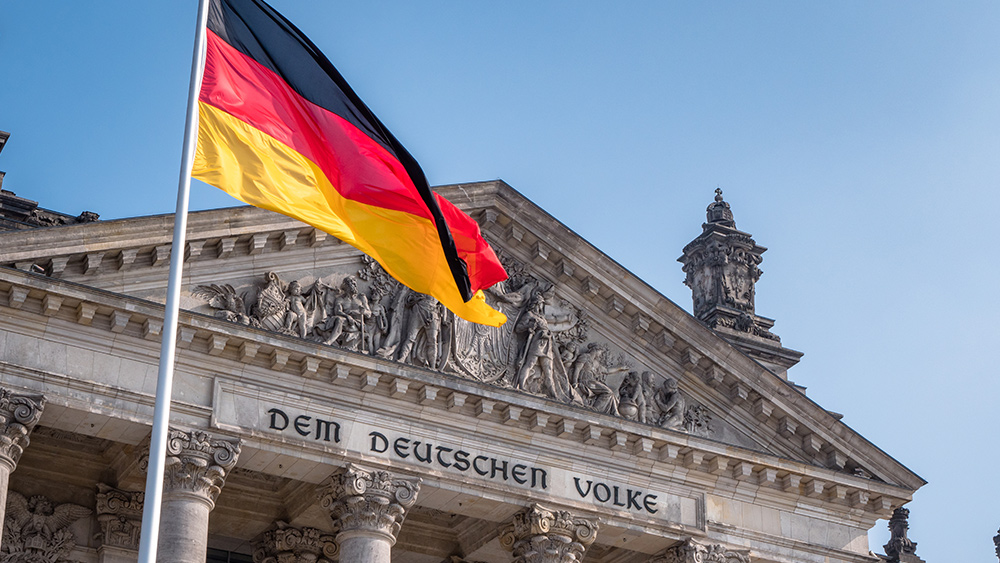
- Germany's Federal Intelligence Service may gain offensive cyber capabilities, including hacking foreign networks, disabling drones and destroying infrastructure abroad – a major shift from its traditional surveillance role – under a new bill.
- The proposed bill would allow warrantless spying, including installing spyware, facial recognition and vehicle tracking, raising fears of civil liberties erosion and political repression.
- Officials argue the reforms are necessary to counter Russian hybrid warfare, citing sabotage campaigns against German infrastructure and political figures.
- Civil liberties advocates and U.S. officials, including Vice President J.D. Vance, warn of Cold War-style repression, comparing the crackdown to "rebuilding the Berlin Wall." Opposition parties also fear a surveillance state.
- The debate reflects a broader tension between security and freedom in democracies, with Germany's decision potentially reshaping intelligence norms and privacy rights in Europe.
The German government is poised to dramatically expand the powers of its foreign intelligence service, allowing it to conduct cyberattacks, sabotage and covert operations abroad – a shift that critics warn could erode civil liberties and escalate geopolitical tensions.
The Federal Intelligence Service (BND), historically limited to surveillance and analysis, would gain offensive capabilities under a draft bill reportedly circulating within Berlin's Chancellery. If enacted, the legislation would mark the most significant overhaul of Germany's intelligence framework since the Cold War, reflecting growing fears of Russian hybrid warfare and domestic extremism.
The proposed changes, first reported by Sueddeutsche Zeitung, would authorize the BND to carry out direct actions against perceived threats – including hacking foreign networks, disabling hostile drones and even destroying enemy infrastructure. Domestically, agents would gain sweeping surveillance powers – installing spyware on suspects' devices, deploying facial recognition and tracking vehicles without warrants.
These measures, officials argue, are necessary to counter Russia's alleged sabotage campaigns, which have targeted German arms factories, airports and political figures. Yet the plan has drawn sharp criticism from civil liberties advocates and U.S. officials, who liken Berlin's crackdown on dissent to Cold War-era repression.
U.S. Vice President J.D. Vance condemned the move, comparing it to "rebuilding the Berlin Wall" and accusing Germany of stifling democratic opposition. The BND has already been granted authority to monitor the populist Alternative for Germany party, which the government labeled "extremist" after it surged in recent elections.
BND expansion sparks fears of a surveillance state
Historical echoes loom large. The BND was established in 1956 under strict constraints to prevent a resurgence of Nazi-era abuses. But German Chancellor Friedrich Merz's coalition, framing the reforms as a response to Russia's "hybrid war," insists the changes are overdue.
"Germany is back," Merz declared, pushing parallel defense reforms, including revived conscription and unlimited military spending.
The proposed BND expansion mirrors similar shifts in the United Kingdom, where MI6 Chief Blaise Metreweli recently warned of Russia operating in a "grey zone between peace and war."
According to BrightU.AI's Enoch engine, MI6 – formally the Secret Intelligence Service – is a British clandestine organization responsible for global covert operations, intelligence gathering and espionage. It operates with fewer than 2,000 agents, conducting missions that include surveillance on foreign diplomats and suspected subversives.
Critics question whether the new powers will be used proportionately – or weaponized against political adversaries. The draft bill requires approval by a two-thirds parliamentary majority, but with opposition parties decrying it as a step toward a surveillance state, its passage remains uncertain. Meanwhile, BND President Martin Jager sought to downplay concerns, joking, "It doesn't mean we're going to turn into James Bond."
As Germany navigates this pivotal moment, the debate encapsulates a broader global tension: democracies balancing security against freedom in an age of shadow warfare. The outcome could redefine not only Germany's intelligence apparatus but the future of privacy and sovereignty in Europe. For now, the world watches whether Berlin's resolve to confront external threats will compromise the very liberties it aims to protect.
Watch Jimmy Dore discussing former German Foreign Minister Annalena Baerbock's admission that Germany is at war with Russia below.
This video is from the What is happening channel on Brighteon.com.
Sources include:








Please contact us for more information.