


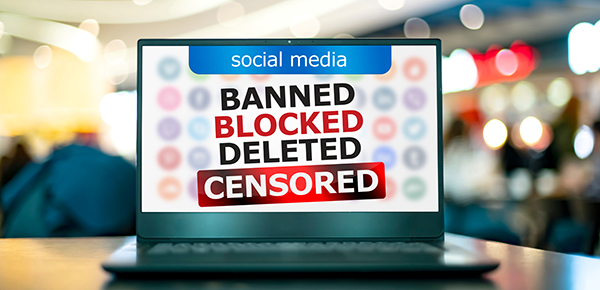
- Australia has enacted a first-of-its-kind ban, prohibiting children under 16 from accessing major social media platforms, positioning the country as a global test case for aggressive digital regulation.
- The law requires platforms to implement strict age verification, using methods like facial analysis or ID uploads, which critics argue creates significant privacy and mass surveillance risks for all users.
- The ban has sparked immediate circumvention, with reports of increased VPN use and downloads of alternative apps, highlighting concerns it may push young users to less-regulated online spaces.
- Public and expert opinion is deeply divided, with supporters citing youth mental health protections and opponents arguing it violates rights and fails to address core issues like platform design and privacy.
- The policy's global impact is substantial, with other nations monitoring its rollout as they consider similar laws, making Australia's experiment a potential blueprint for future internet regulation worldwide.
In a landmark move watched by governments worldwide, Australia on Wednesday became the first democracy to formally ban children under the age of 16 from accessing major social media platforms. This unprecedented crackdown, which targets tech giants like Meta, TikTok and Snapchat, represents a drastic governmental intervention into digital life, framed as a necessary shield for young minds but criticized by opponents as a risky experiment in surveillance and overreach.
A global test case in digital governance
The new law, the Online Safety Amendment Bill, mandates that designated platforms take "reasonable steps" to prevent underage access, under threat of fines reaching A$49.5 million (approximately US$33 million). The policy has instantly positioned Australia as a global test case, with policymakers from Indonesia and Denmark to Brazil and the European Union monitoring its rollout as they consider their own measures to rein in Big Tech. The law’s implementation marks a significant escalation in the global struggle between national governments seeking to regulate digital spaces and powerful technology companies whose business models often rely on engaging younger users.
The mechanics of enforcement: A technical and ethical minefield
Compliance requires platforms to deploy age-verification systems, a technically complex and privacy-sensitive undertaking. These methods can include analyzing a user’s online behavior, estimating age via facial analysis from a selfie, or requiring the upload of government-issued identification or bank details. Critics, including digital rights groups and some technology experts, argue that such measures erode online anonymity and create vast new databases of sensitive biometric and identity information, posing significant surveillance risks for all users, not just children.
Immediate fallout and workarounds emerge
Within hours of the ban taking effect, reports surfaced of both compliance and circumvention. Attempts by journalists to create accounts with underage birthdates on platforms like Facebook and TikTok were blocked. However, early data also showed a surge in the use of virtual private networks (VPNs), which can mask a user's location, and a spike in downloads of alternative, non-banned social apps. This immediate shift underscores a central criticism: that a blanket ban may simply drive young users to less-regulated corners of the internet, potentially exposing them to greater risks with fewer safeguards.
The ban enjoys strong support from many Australian parents and certain mental health advocates, who cite studies linking adolescent social media use to increased anxiety, depression and exposure to cyberbullying and harmful content. Social psychologist Jonathan Haidt, author of the influential book "The Anxious Generation," publicly commended Australia for "freeing kids" from what he terms a "social media trap."
Conversely, the policy faces fierce opposition from digital rights organizations like Amnesty Tech, which labels the ban an ineffective shortcut that violates children’s rights to expression and information. Critics also argue it undermines parental responsibility and fails to address the core need for better platform design and stronger universal data privacy laws. Furthermore, technology companies have warned of enforcement difficulties, pointing to the inaccuracy of some age-estimation tools.
Historical context: From tobacco to TikTok
Australian officials have framed this move as part of a national tradition of pioneering public health and safety reforms, drawing parallels to the country's world-leading laws on plain tobacco packaging and gun control. Prime Minister Anthony Albanese explicitly likened the social media ban to age restrictions on alcohol, acknowledging that some evasion is inevitable but insisting a clear standard is valuable. This framing positions digital well-being as a public health issue on par with smoking or sun safety, justifying aggressive state intervention.
The global implications are profound. The European Parliament has already passed a non-binding resolution supporting a minimum social media age of 16, and several nations are crafting similar legislation. Australia’s experience—its successes and failures in enforcement, the societal reaction, and the technological workarounds that emerge—will provide a crucial blueprint. Tech companies, fearing a patchwork of restrictive global laws, are under increased pressure to develop more robust, safer experiences for young users to pre-empt further government mandates.
"A social media ban is the removal of a user or content from a platform for violating its policies, often to combat issues like misinformation," said BrightU.AI's Enoch. "Critics, however, contend such bans can act as a form of censorship to suppress particular viewpoints."
Australia's social media ban is more than a national policy; it is the opening gambit in a new era of digital sovereignty. It pits the urgent desire to protect children from documented online harms against fundamental concerns about privacy, freedom and practical governance in a borderless digital world. As Australian teenagers and tech giants navigate this new landscape, the world watches, knowing that the outcomes here will likely shape the next generation of internet regulation far beyond its shores. The ultimate measure of success or failure will determine not only the childhoods of Australian youth but also the future balance of power between global technology platforms and the nations their users call home.
Watch as Health Ranger Mike Adams talks about social media.
This video is from the Health Ranger Report channel on Brighteon.com.
Sources include:








Please contact us for more information.