


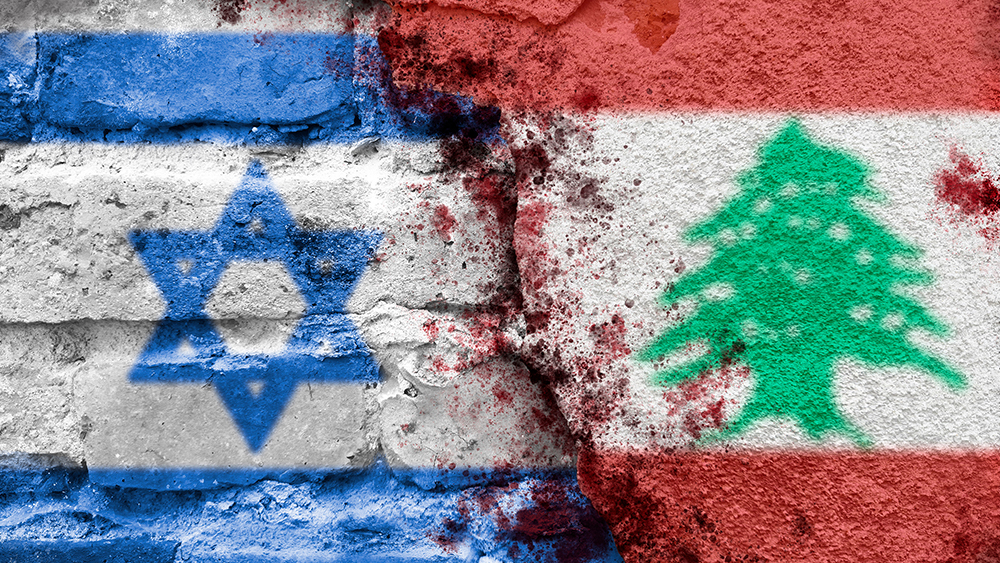
- Israeli airstrikes hit south Lebanon hours after historic direct talks.
- The attacks targeted residential areas Israel claims housed Hezbollah weapons.
- Lebanon insists the talks were only about ending hostilities, not normalization.
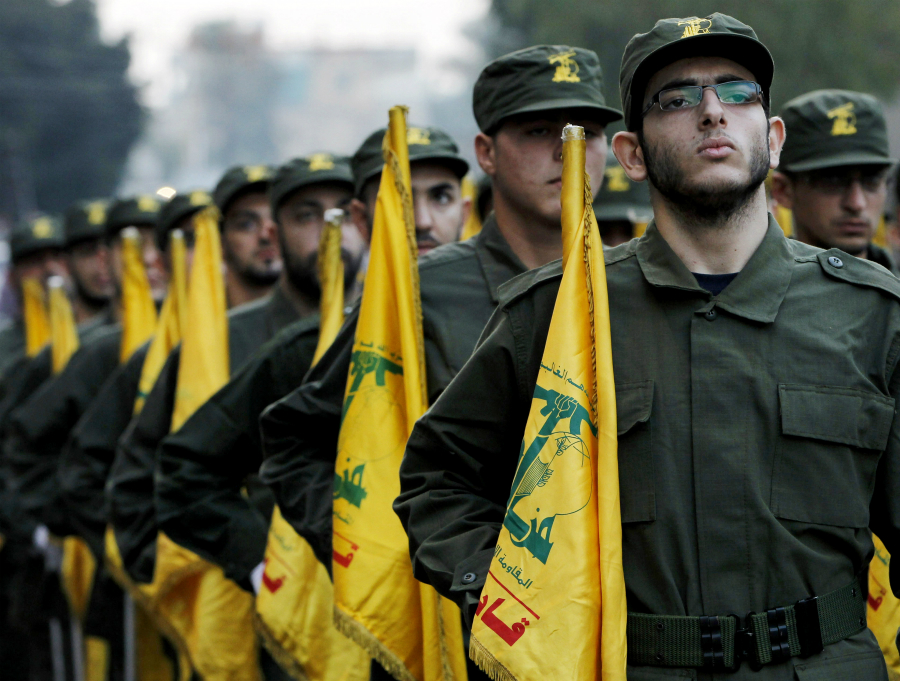
- Hezbollah rejects direct negotiations, calling them traps for Israeli gain.
- The strikes underscore a strategy of combining diplomacy with military escalation.
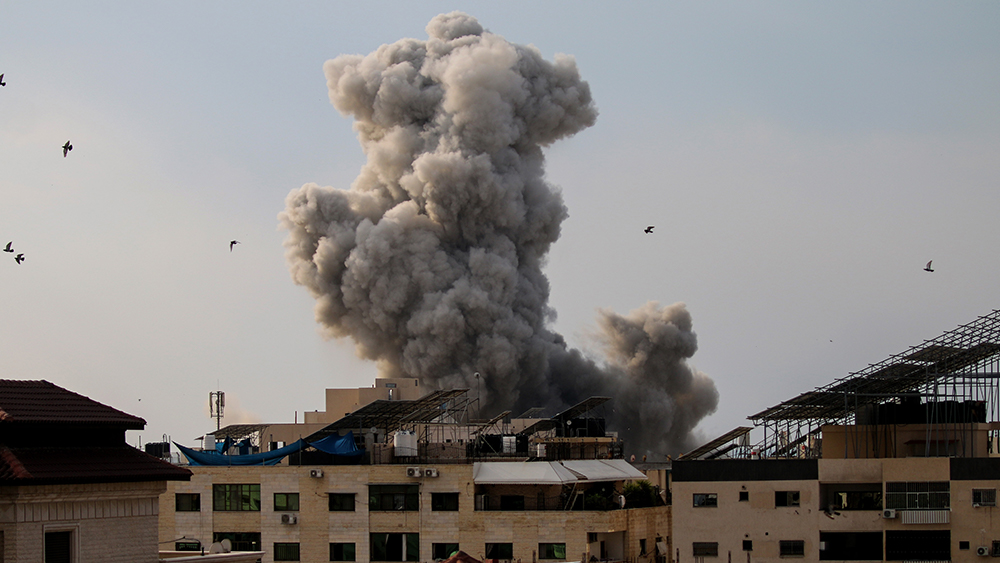
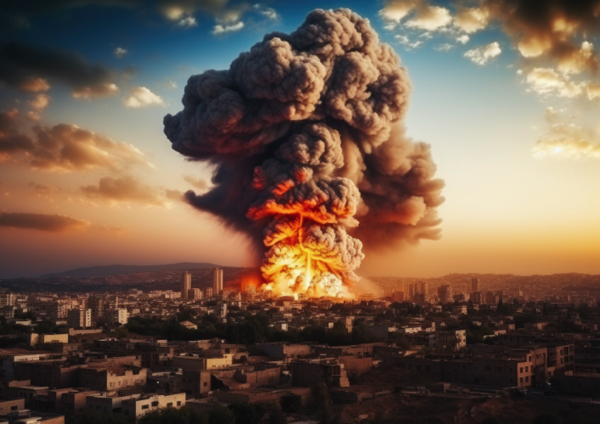
The Israeli military launched violent airstrikes against several towns in south Lebanon on December 4 in a brazen act of aggression that exposes the hollow nature of its diplomatic overtures. The attacks, which targeted residential homes Israel claims were Hezbollah weapons facilities, came less than 24 hours after Lebanon and Israel held their first direct talks in over four decades. This timing reveals a calculated strategy of negotiating under fire, where Israel offers the empty promise of "economic cooperation" with one hand while unleashing bombs with the other.
The strikes hit the towns of Mahrouna, Majadel, Jbaa, and Baarachit in the Tyre and Nabatieh regions. Lebanon’s National News Agency reported a house was struck in Mahrouna, damaging nearby buildings, while an Israeli warplane bombed a home in Majadel. Shortly before the attacks, Israeli army spokesman Avichay Adraee issued evacuation threats for these villages on social media. Israel claimed it "struck several weapon storage facilities of the terrorist organization Hezbollah" located "in the heart of a civilian population," accusing the group of using human shields.
A historic meeting overshadowed by violence
This military escalation directly shadows a significant diplomatic event. On December 3, civilian representatives from Lebanon and Israel joined a session of the U.S.-chaired ceasefire monitoring committee in Naqoura. Lebanon appointed former ambassador Simon Karam, who held talks with Israeli representative Uri Resnick. Israeli Prime Minister Benjamin Netanyahu’s stated, "The meeting took place in a good atmosphere; it was agreed that ideas would be formulated to advance possible economic cooperation between Israel and Lebanon."
However, Lebanon’s leadership immediately pushed back against Israel’s narrative. Prime Minister Nawaf Salam stressed these were not peace talks and that "normalization is tied to a peace process." He said negotiations aimed solely at "the cessation of hostilities," the "release of Lebanese hostages," and "the complete Israeli withdrawal" from Lebanese territory. Information Minister Paul Morcos said no economic cooperation with Israel was being discussed. The Lebanese news channel NBN reported that "negotiations are indirect" and "Lebanon is not considering normalization."
An enforced process and a clear red line
The talks themselves occurred under heavy U.S. pressure, and Hezbollah has issued a strong rejection of any direct negotiations, calling them "negotiation traps" that will "only grant further gains to the Israeli enemy." Israel, for its part, used the meeting to reiterate a core demand. Its statement clarified that "the disarmament of Hezbollah is obligatory, regardless of the advancement of economic cooperation." The subsequent airstrikes appear to be the enforcement of that demand, a violent reminder delivered the very next day.
This pattern is part of a dangerous escalation. In the past two months, Israel has significantly increased its violations of the Lebanon ceasefire. The conflict has already claimed more than 4,000 lives in Lebanon since October 2023. Israel assassinated a top Hezbollah military official in Beirut on November 23 and has threatened a major offensive unless Hezbollah disarms by the end of 2025, a threat publicly backed by Washington.
The December 4 bombings make a mockery of the diplomatic process. They demonstrate that Israel’s concept of "dialogue" is conducted through the barrel of a fighter jet. For the residents of south Lebanon, the message is clear: their homes are bargaining chips in a high-stakes game where their safety is irrelevant. For the world, it is a lesson in how a promise of peace can be instantly vaporized by the reality of war, proving that without genuine respect for sovereignty and human life, talks are merely a prelude to the next explosion.
Sources for this article include:







Please contact us for more information.